
Search
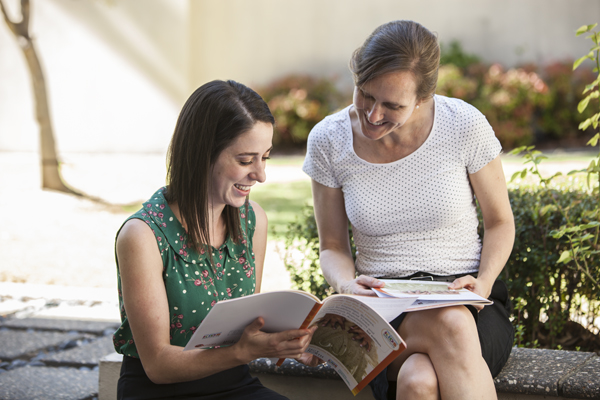
The first ever National Healthy Skin Guideline has become the gold standard for the treatment, prevention and public health control of skin infections in Indigenous populations in Australia and provides a positive framework for healthy skin.
Bullying is now regarded as a health problem and not just a disciplinary problem. Increasing evidence shows both traditional bullying (e.g. hitting, teasing) and cyberbullying have lasting effects on young people (both those who bully and those who are bullied), including damage to self-esteem, academic results and mental health.
On this Research Impact page, we list stories helping demonstrate how we collaborate with other leaders, innovators, communities, and international stakeholders to ensure excellent research results. The better our results, the better the chances of research making a real difference.
On this Research Impact page, learn about our work that's actively translated as Government policy or in active practice. Learn how our research is making a difference in people's lives - not tomorrow, next week, or next year - but today!

For the first time this year, all Australian babies and children aged six months to four years will be entitled to have a free influenza vaccination.

Professor Jonathan Carapetis has made eliminating rheumatic heart disease his life’s work.
A bold research program is working to give young children lifelong protection against influenza
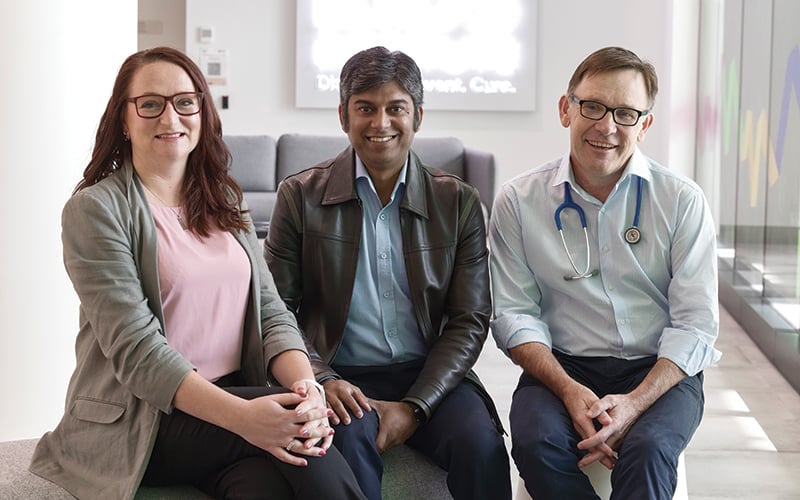
Despite respiratory syncytial virus (RSV) being the leading cause of hospitalisations in the first year of life, there is currently no routine preventative option for otherwise healthy babies.
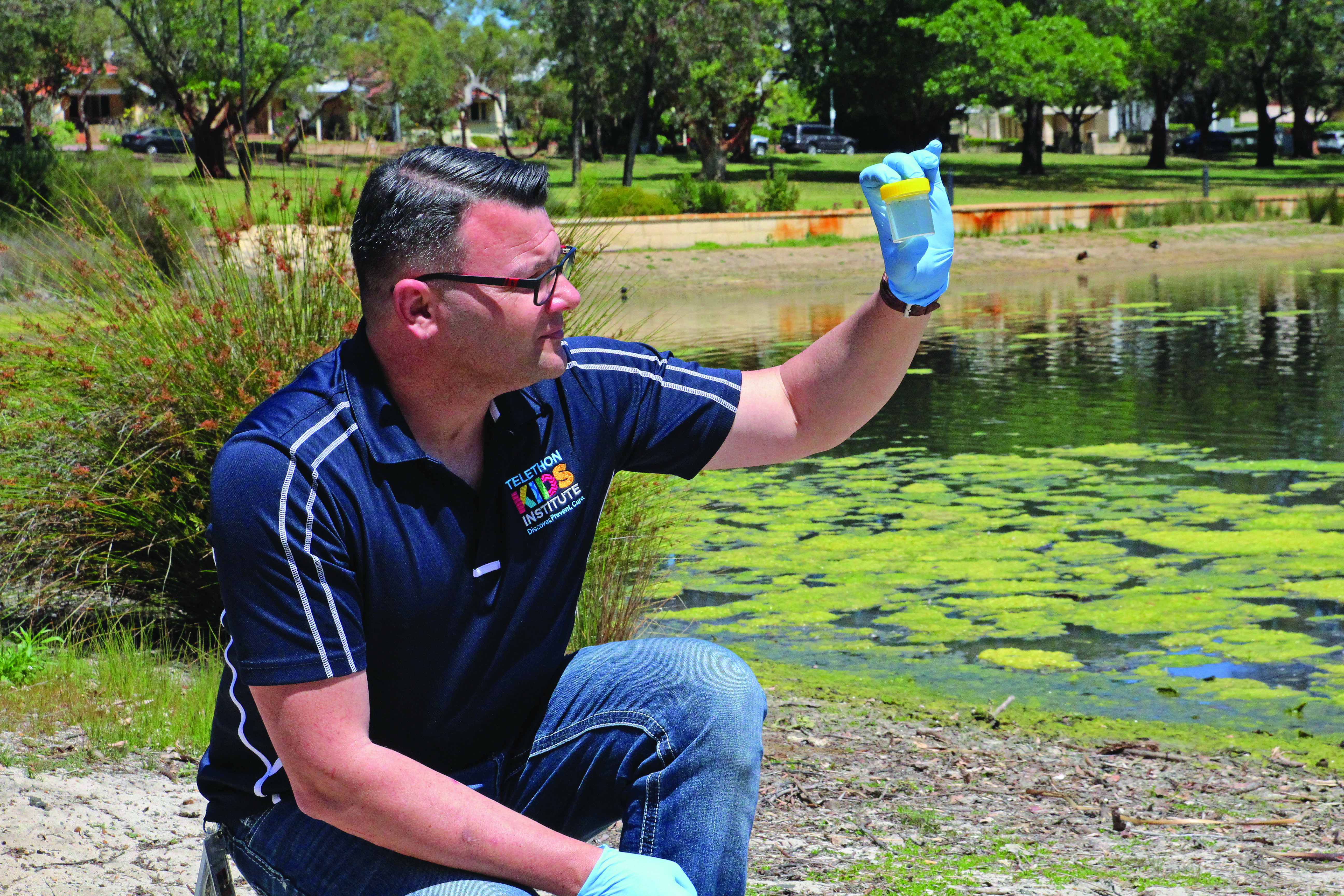
Perth researchers discovered a naturally occurring virus living in the city’s waterways that could potentially fight antibiotic-resistant superbugs.
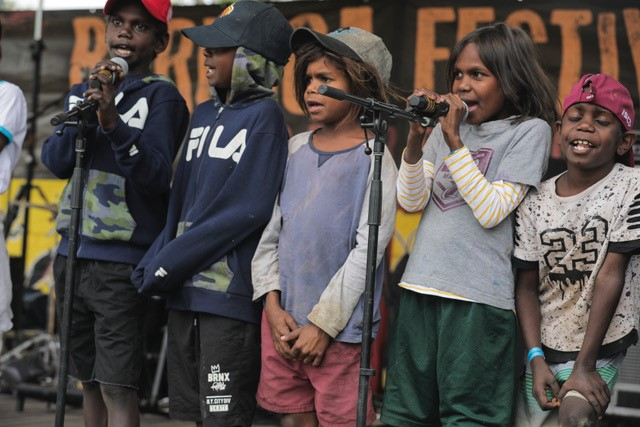
A song written by kids in Barunga as part of the END RHD Communities Project is helping prevent the spread of infections that cause rheumatic heart disease in remote Aboriginal Communities.