
Search
Childcare centres have flocked to take up a new evidence-based policy to help ensure young children get more of the physical activity they need to be healthy and developmentally on track.
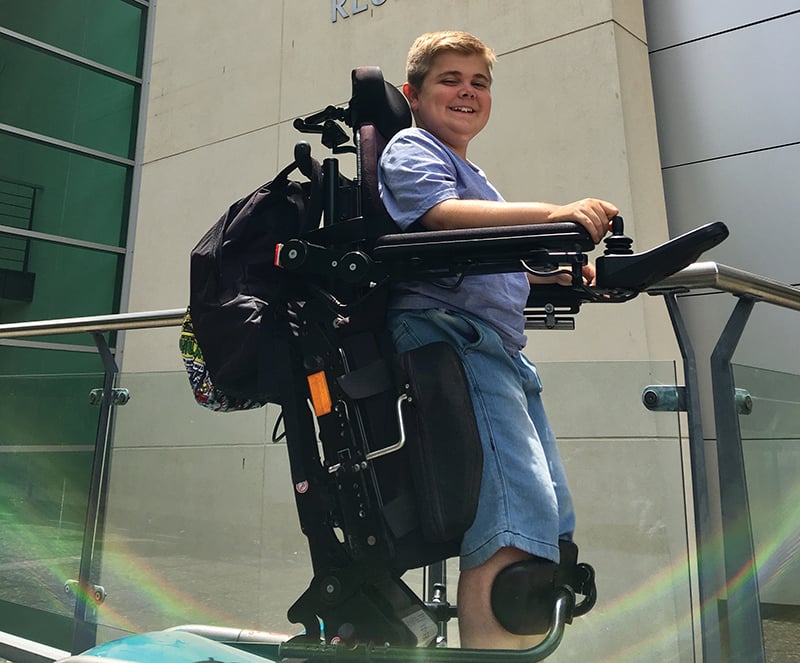
Klair Bayley knew her son Logan would eventually need a wheelchair.
A Network comprised of four regional sites to facilitate key medical, research and training activities undertaken in partnership with Aboriginal communities.
Telethon Kids has joined scientists around the world in the fight against COVID-19 and is committed to helping families stay safe and well during this crisis.
Carrington Fiona Shepherd Stanley PhD FAA FASSA MSc MD FFPHM FAFPHM FRACP FRANZCOG HonDSc HonDUniv HonFRACGP HonMD HonFRCPCH HonLLB (honoris causa)
Hannah Huong Christopher Moore Le Blyth OAM BSc (Hons) GradDipClinEpi PhD MA (Dev. Econ), MA (App. Stats), PhD (Econ) MBBS (Hons) DCH FRACP FRCPA PhD
Desiree Silva MBBS, FRACP, MPH, PhD Co-Director, ORIGINS desiree.silva@thekids.org.au Co-Head, The ORIGINS Project Professor Desiree Silva is
Respiratory syncytial virus (RSV) is a common, highly contagious virus that causes infections of the lungs and respiratory tract.
We are looking for children and teenagers to take part in an important study investigating the effectiveness of a new combination booster vaccine designed to protect against tetanus, diphtheria, pertussis (whooping cough) and polio.
GSK is conducting a research study to evaluate its investigational, pentavalentmeningococcal vaccine, MenABCWY, which is based upon two licensed GSKmeningococcal vaccines, Menveo (MenACWY vaccine) and Bexsero (MenB vaccine).