
Search
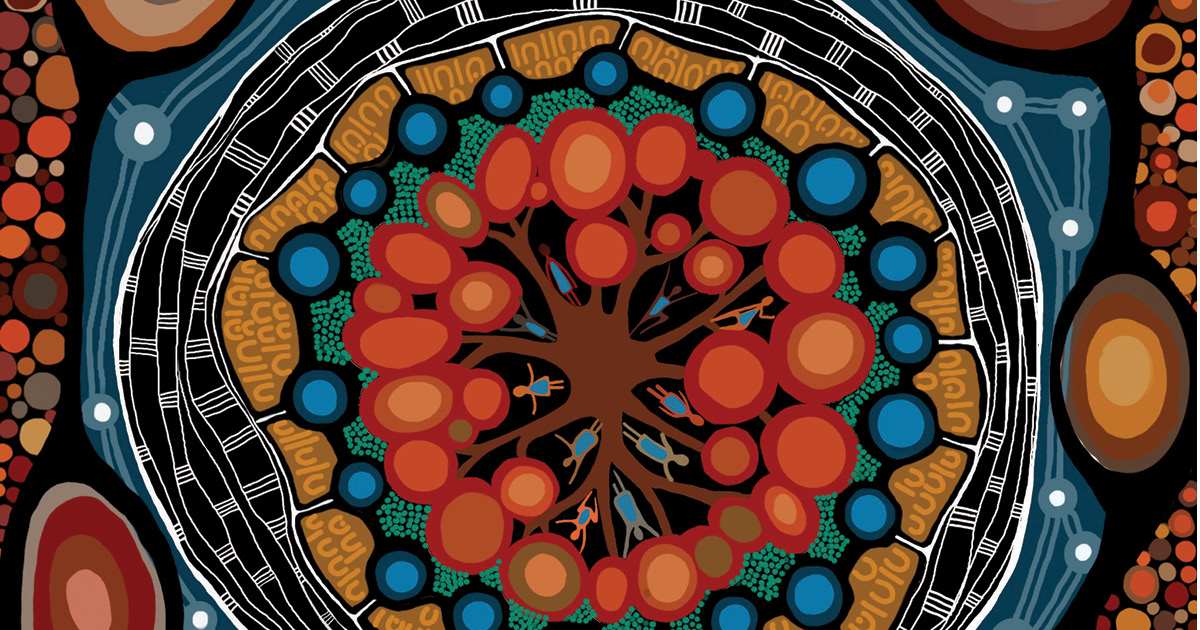
Life imitates art in a new project that seeks to entrench cultural safety for young Aboriginal and Torres Strait Islander people into WA’s mental health system.
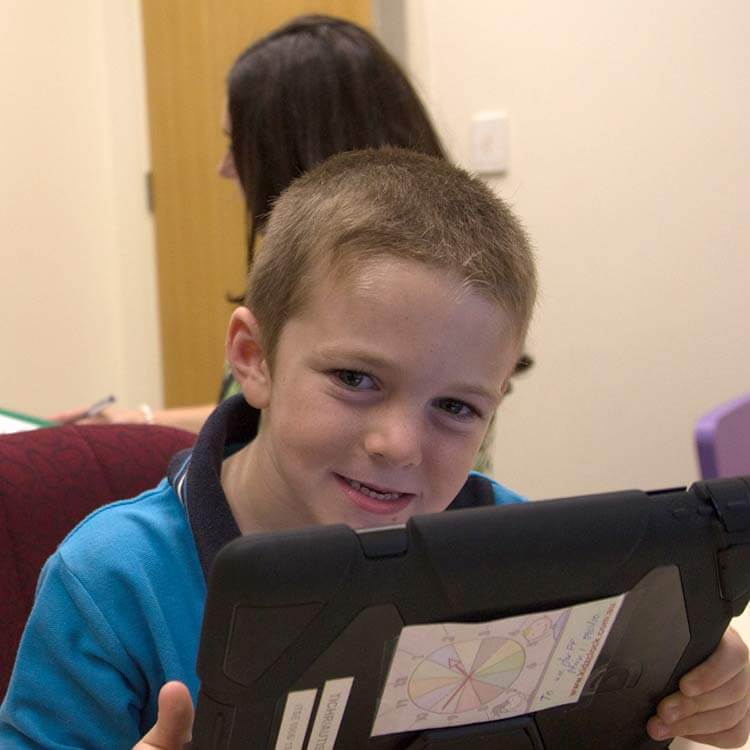
The MINERvA Network will allow more accurate and precise determination of the contributions of familial and environmental factors to the etiology of autism.
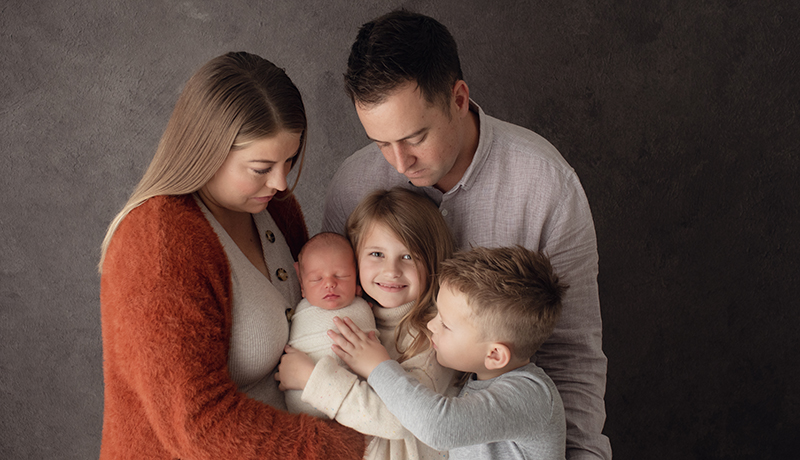
Video technology is helping researchers learn more about the earliest features of autism, and in turn is helping families gain access to better interventions.
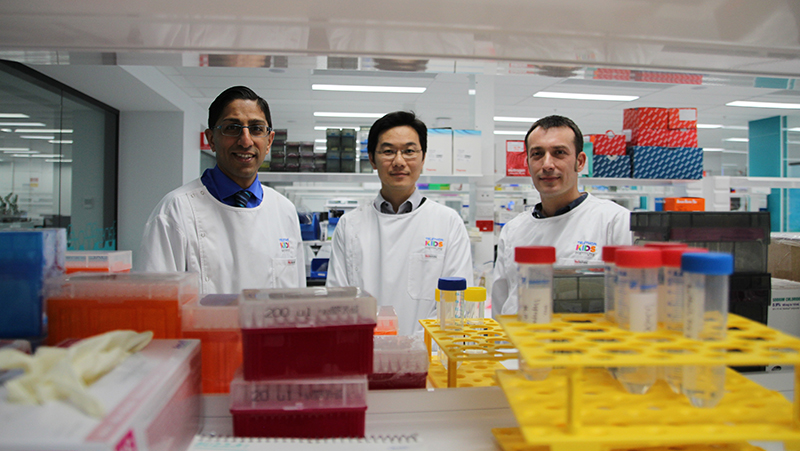
Kids born with Down syndrome are at high risk of an array of health problems – including issues with sight, hearing, heart defects, bone complications, immune disorders and learning difficulties.
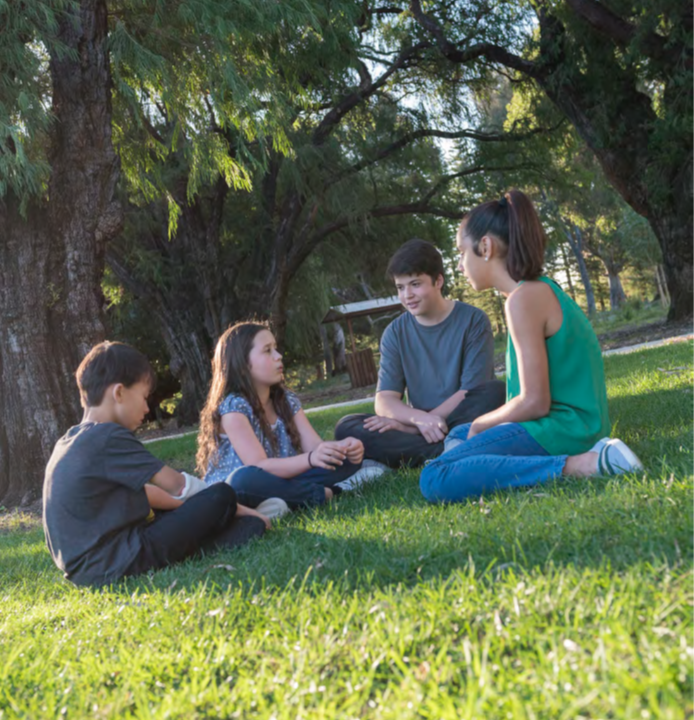
Can young people experiencing homelessness be part of the solution in suicide prevention? That is the question youth mental health researchers at Embrace at The Kids Research Institute Australia will investigate.
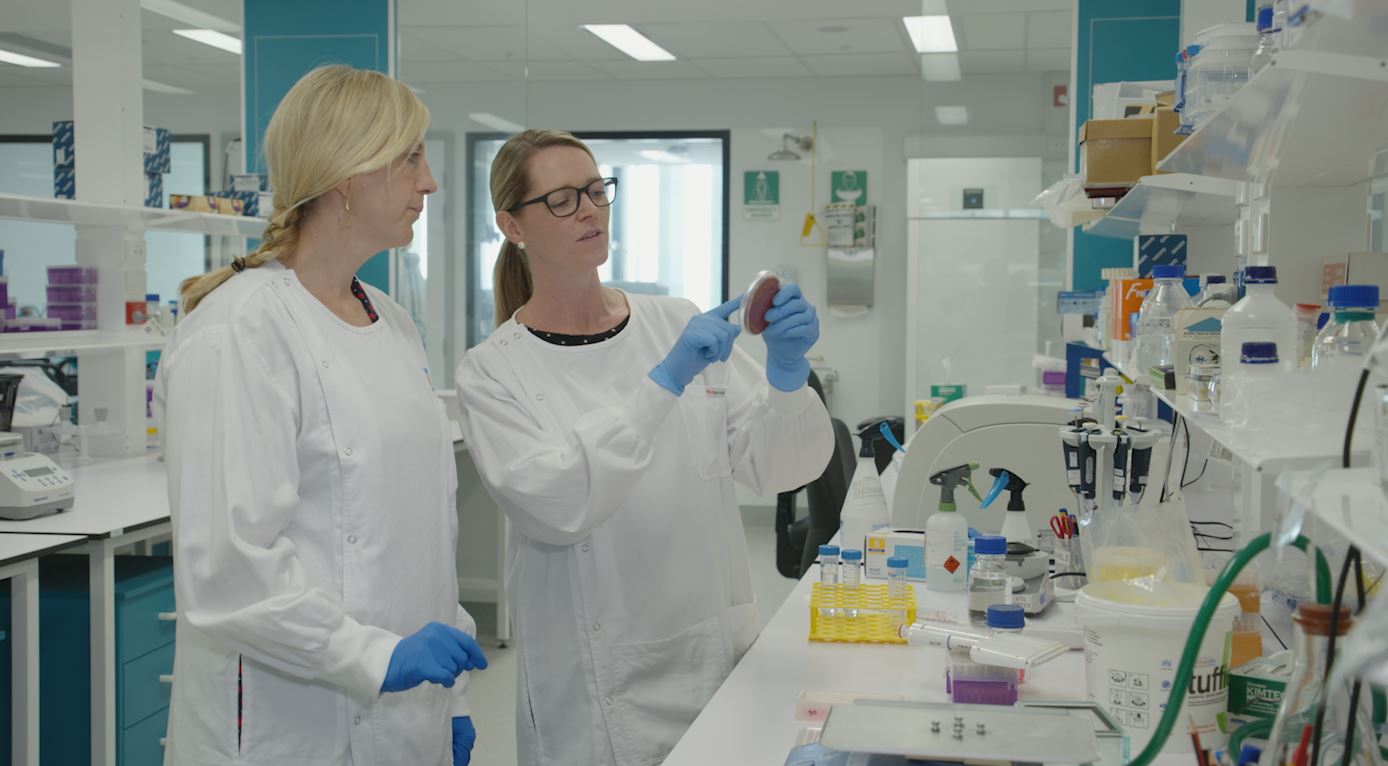
Wiping out childhood ear infections could become a reality thanks to new research identifying the main bacteria responsible for recurrent ear infections and repeat ear surgeries.
According to the Young Minds Matter study, mental health disorders such as anxiety and depression are experienced by approximately one in seven or 560,000 young people in Australia. These disorders can often have a significant impact on children’s learning and development and on family life.
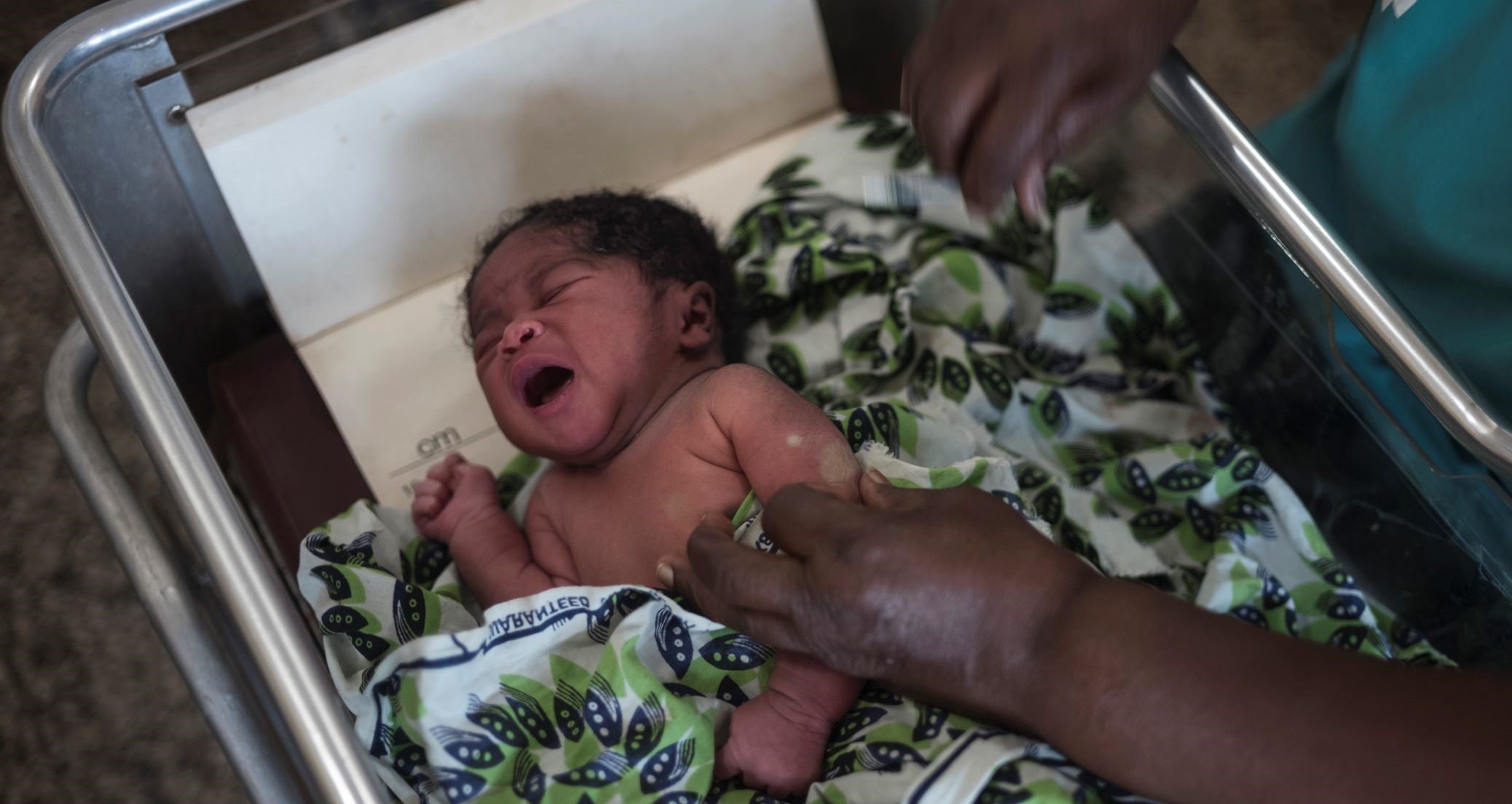
The veteran tuberculosis vaccine BCG has puzzled scientists for decades. Now, The Kids researchers have not only unlocked part of the secret to its success in saving the lives of newborns, but they’re at the forefront of global efforts to test its ability to fight COVID-19.
The WAACHS regional profiles look at all four volumes of results across the ATSIC regions of Western Australia.
The NATSISPEP will formally evaluate a range of existing Indigenous suicide prevention programs and services to develop an evidence base for 'what works'.