
Search
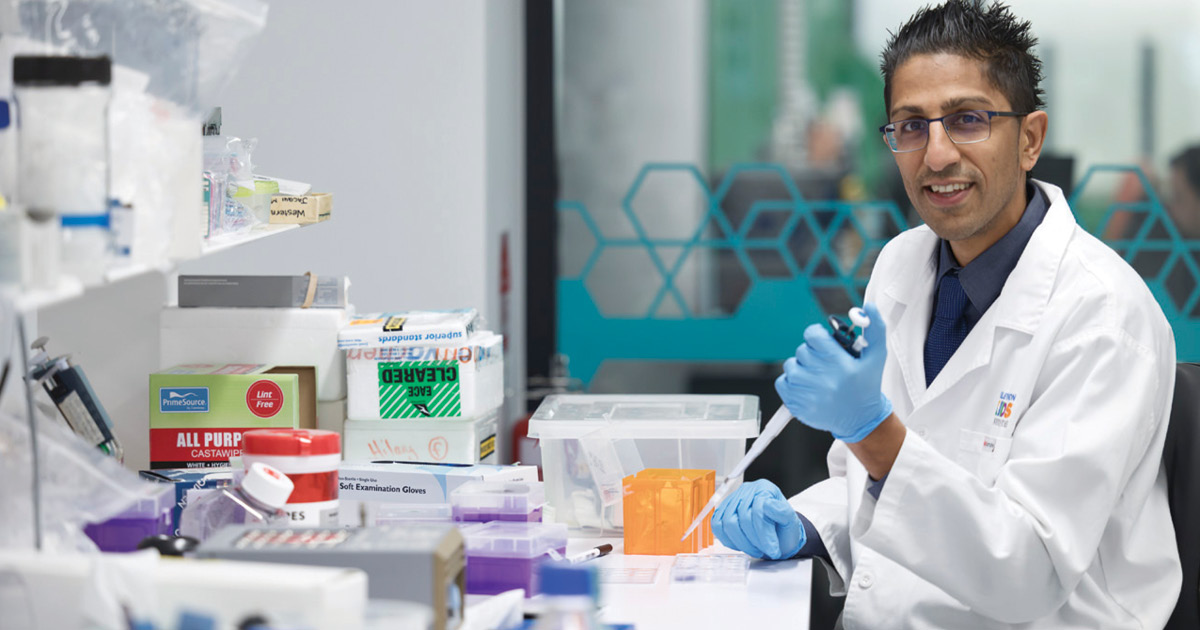
A pilot clinical study has found an immunotherapy drug can dramatically increase survival rates for babies with a rare form of leukaemia, paving the way for a major international clinical trial.
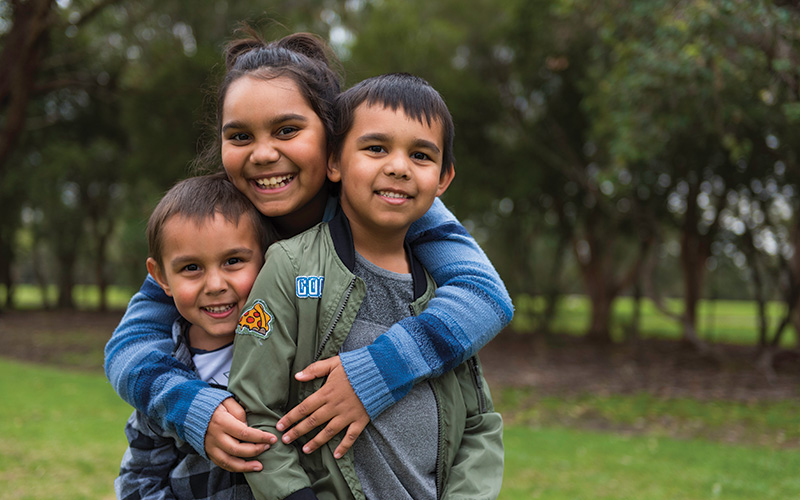
The Institute's Standards for the Conduct of Aboriginal Health Research outline our ways of working with Aboriginal communities and peoples.
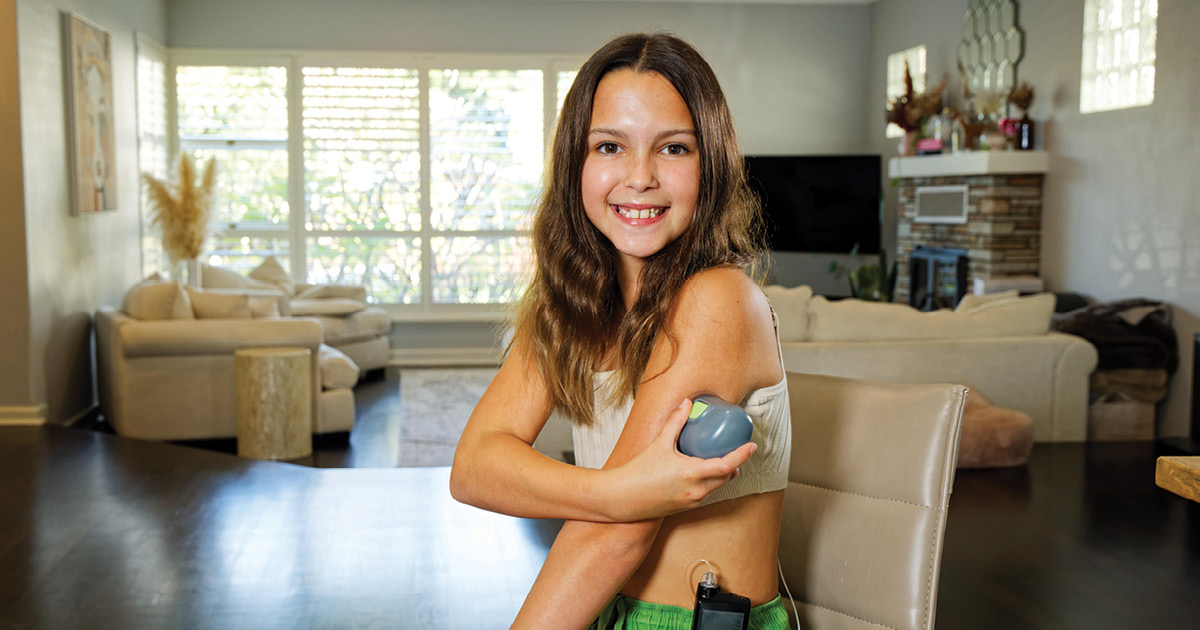
Imagine living with a condition that requires you to make approximately 180 health- related decisions every day for the rest of your life.
CREAHW is a program of intervention research focused on achieving sustainable change for the Aboriginal community & improving the lives of Aboriginal people.
At just six months old, Tahlea Dalgety was flown from Geraldton to Perth with a slim chance of survival after contracting meningococcal disease.
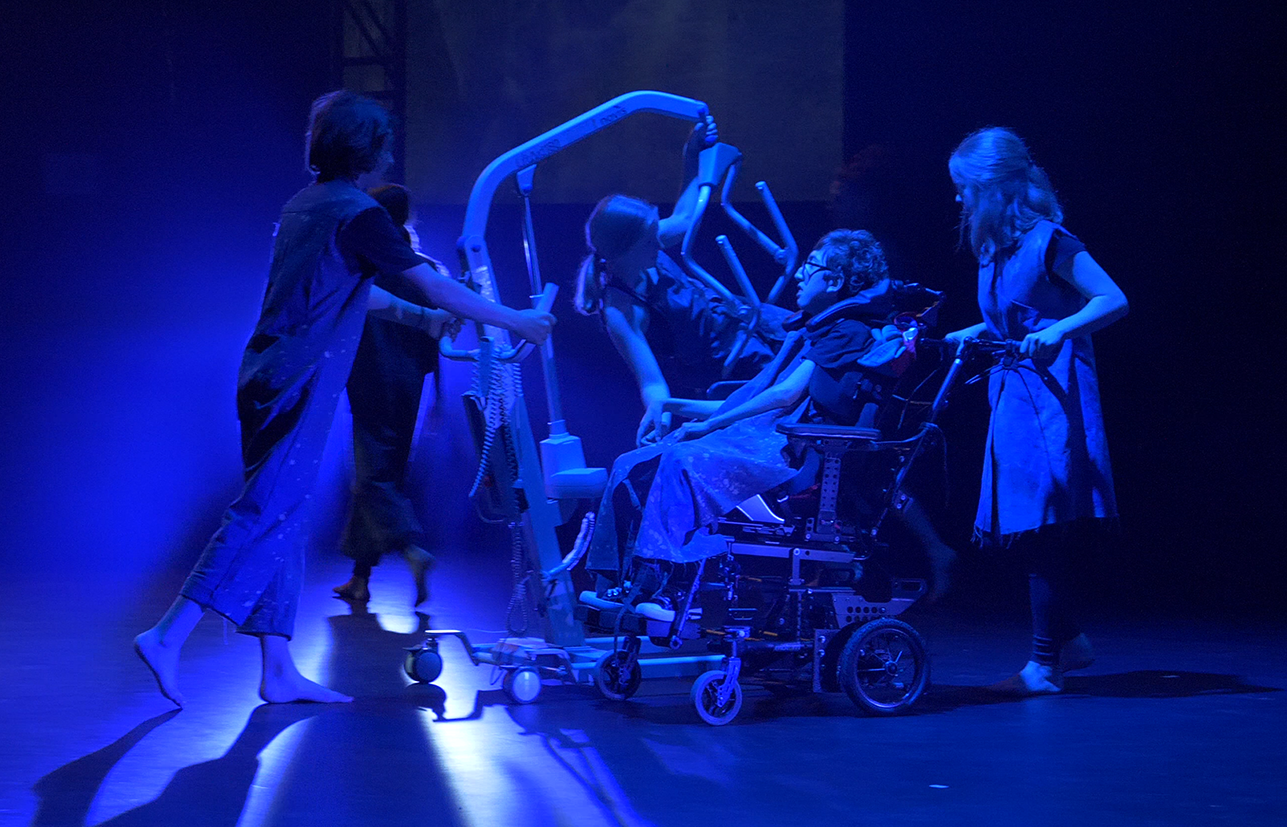
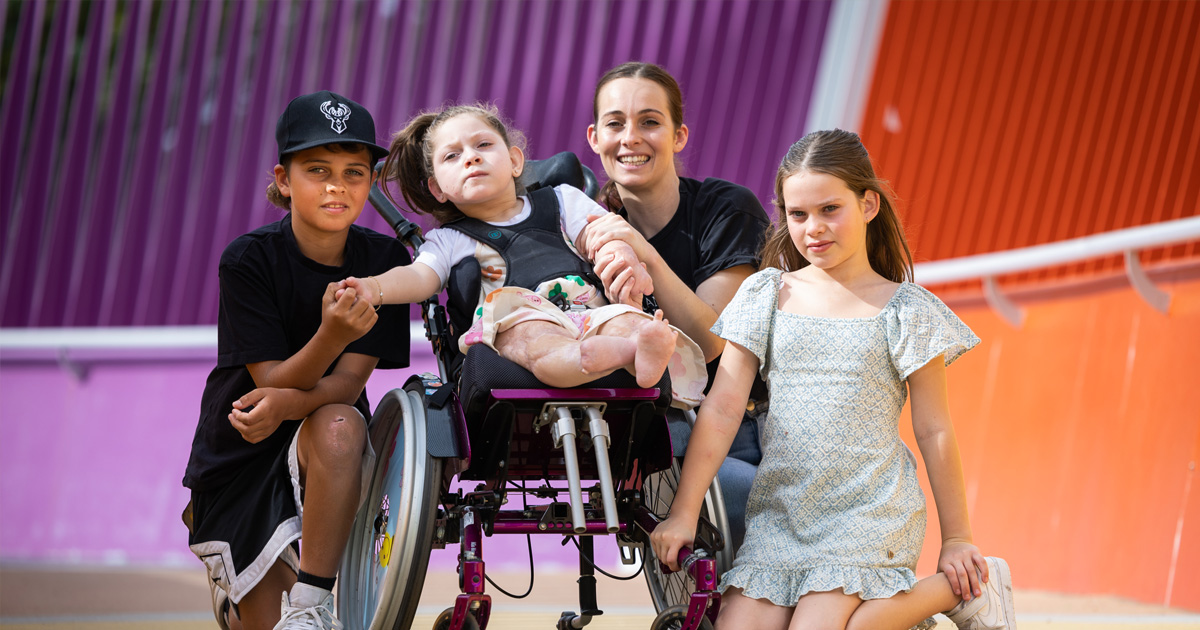
A quality of life tool developed by disability researcher Jenny Downs is helping to reveal the difference specific interventions can make to the lives of children and families living with disability.
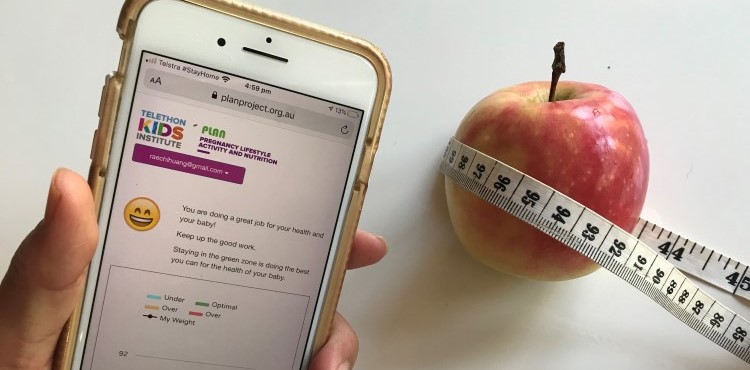
A diet and lifestyle mobile app targeting a critical window in early pregnancy is being introduced to women in the northern suburbs of Perth, hoping to assist with breaking the ‘transmission’ of obesity from one generation to the next.
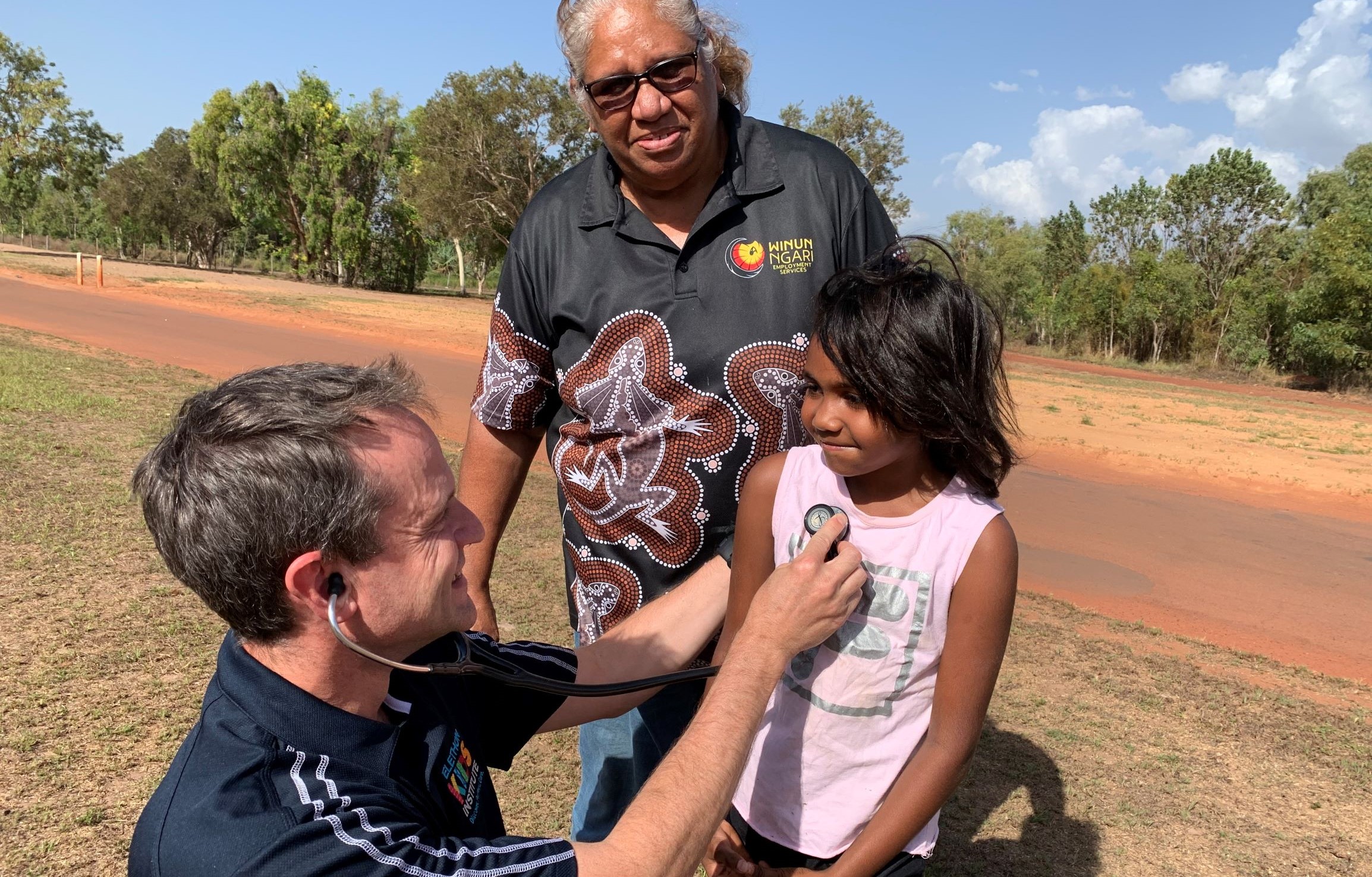
Results from a world first-study measuring prevalence of chronic wet cough and protracted bacterial bronchitis in four Kimberley Aboriginal communities have highlighted the enormity of the health problem.
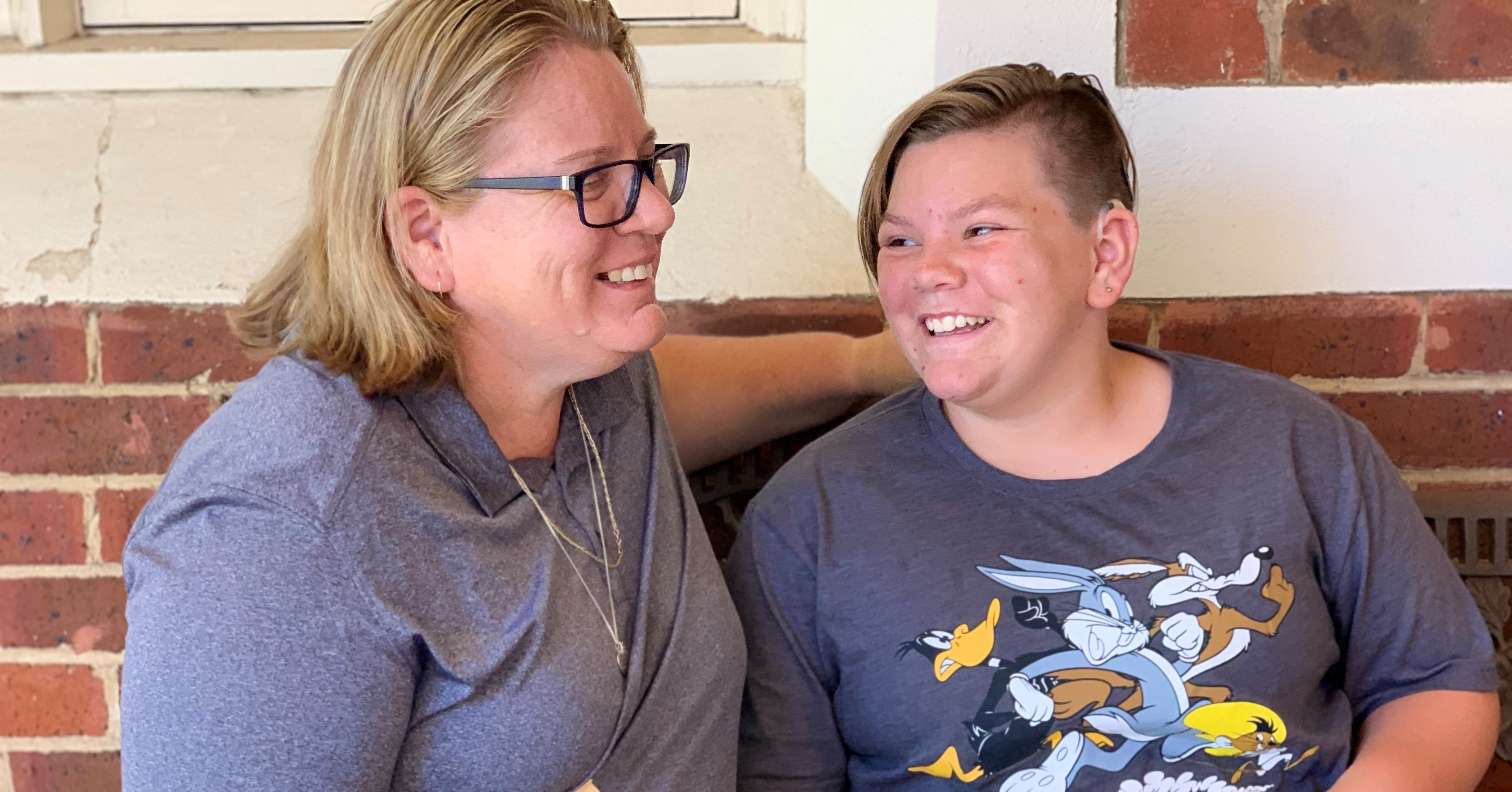
Adolescence can be challenging for all kids, but especially for those who are Deaf or hard-of-hearing. New resources developed by The Kids Research Institute Australia aim to make life a little easier.
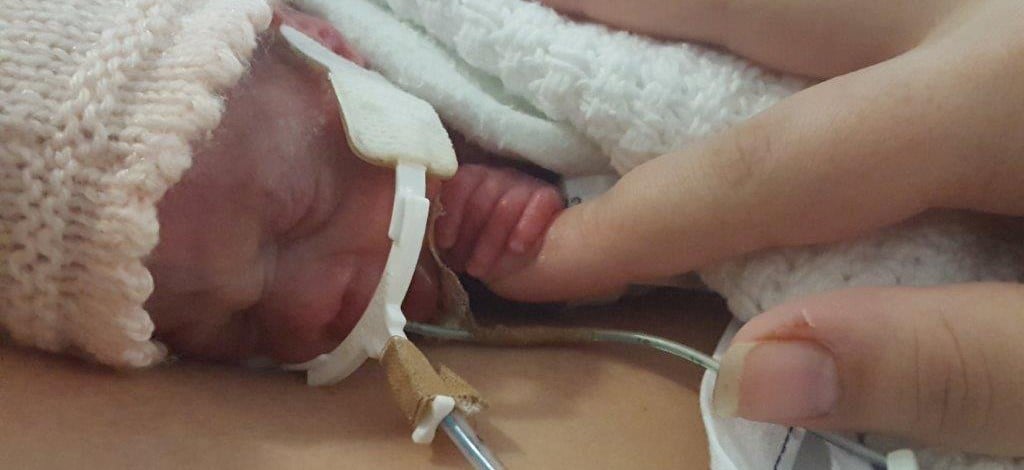
When KEMH specialists first suggested using coconut oil to treat the fragile skin of Kimberly Rohrlach’s extremely premature first-born child, Isabella, she thought it was more than a little weird.