
Search
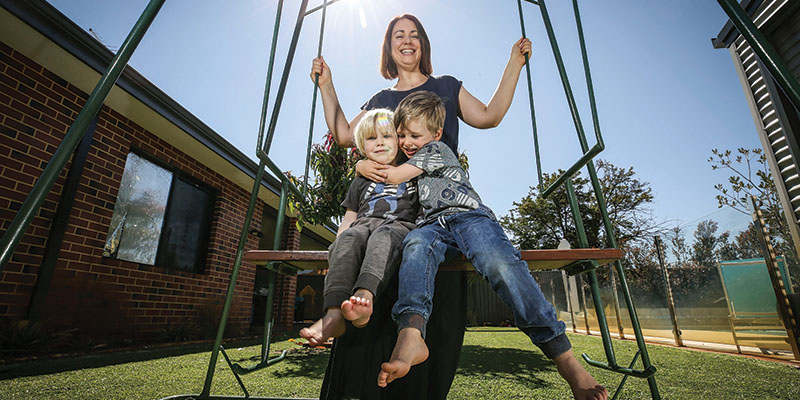
Felix was one of 195 children to take part in Dr Debbie Palmer’s research into sunlight exposure, vitamin D and eczema.
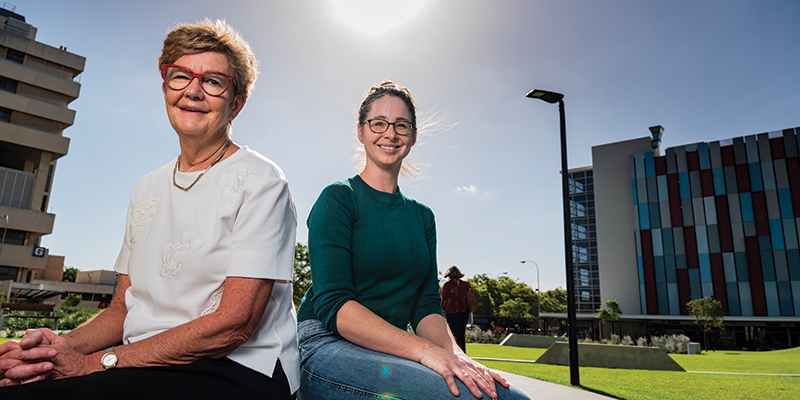
For decades Aussies have been told to minimise sun exposure to prevent skin cancer - now researchers at Telethon Kids are challenging that message.
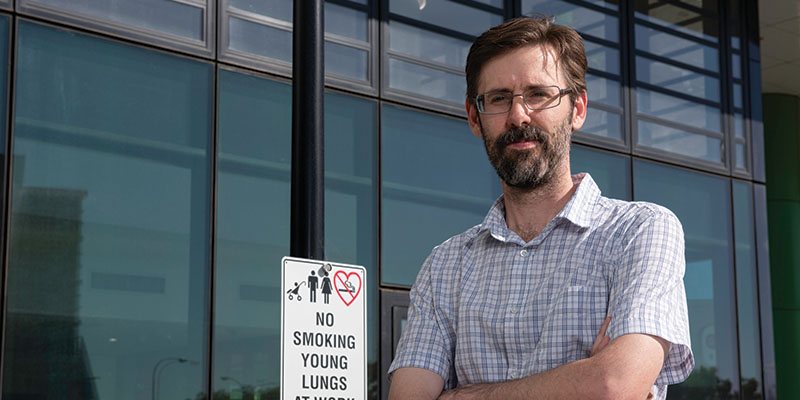
Telethon Kids Institute-led research revealing that six out of 10 nicotine free e-cigarette liquids contained nicotine and other potentially harmful chemicals.
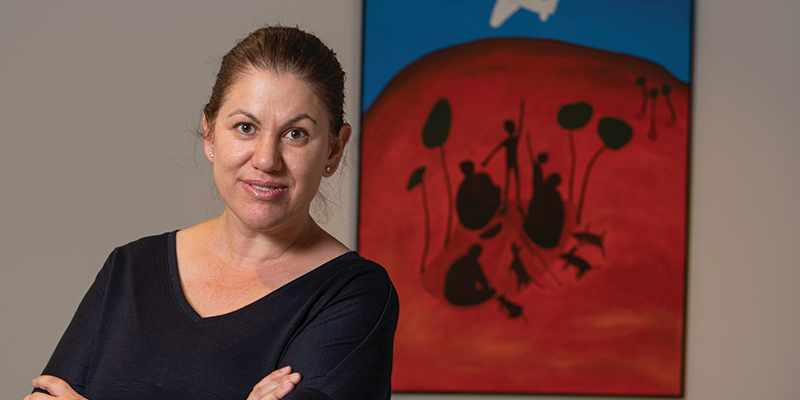
Telethon Kids Institute data linkage research confirming young people who have experienced out-of-home care face serious disadvantage.
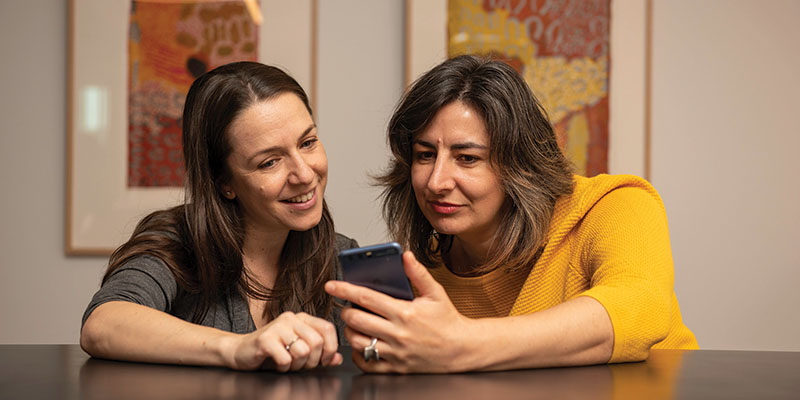
A digital game adapted by researchers is set to deliver engaging, accessible help to prevent depression for trans and gender diverse young people.
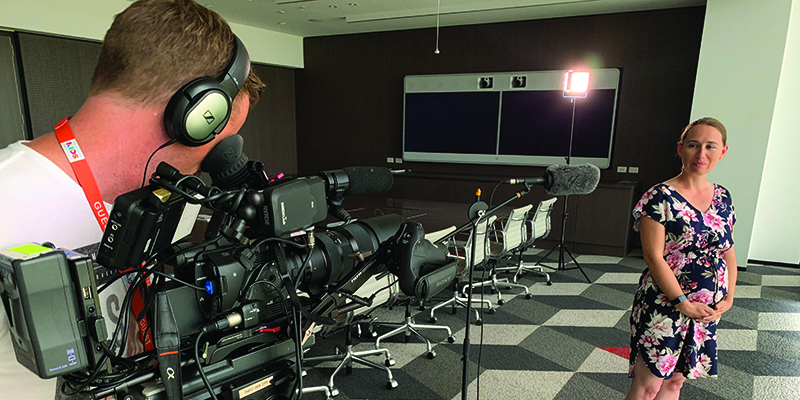
A screening tool to help midwives and other health professionals contribute to the prevention of FASD is changing maternity practice across WA public hospitals.
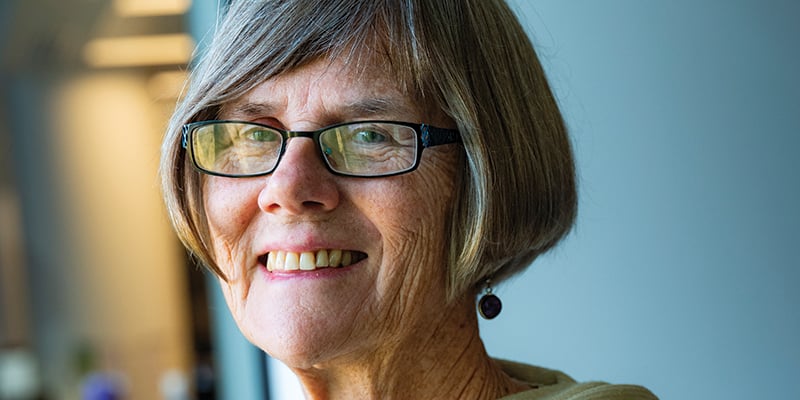
Following strong evidence and lobbying by The Kids Research Institute Australia researchers and others, labels to warn women about the risks of drinking during pregnancy are to become mandatory on all alcohol sold in Australia and New Zealand.
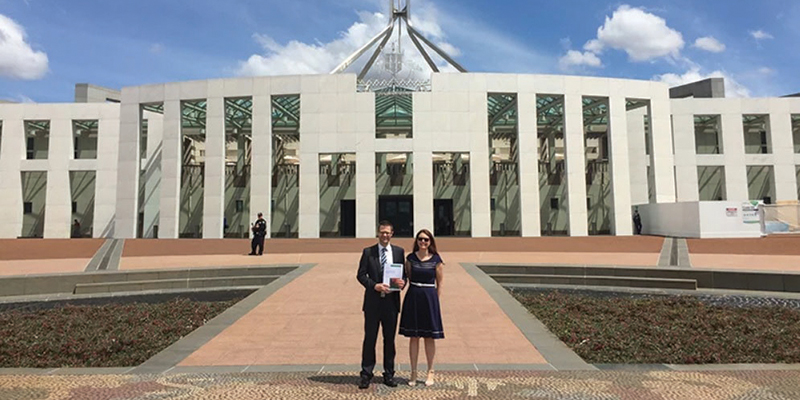
In October 2018, the Autism CRC released A National Guideline for the Assessment and Diagnosis of Autism Spectrum Disorders in Australia.
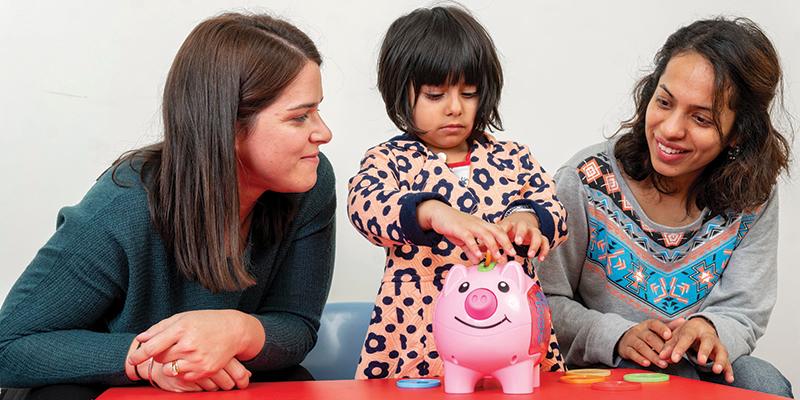
A unique new model developed by the The Kids autism research team marries cutting-edge research with clinical practice to offer families innovative, evidence-based interventions designed to help kids reach their full potential.
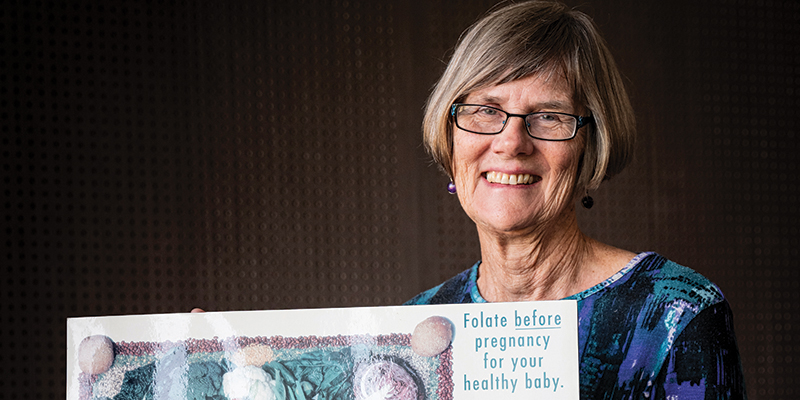
A key tool in the push to achieve mandatory folate fortification came in the form of data provided by the Western Australian Register of Developmental Anomalies (WARDA) – originally established by Professors Carol Bower and Fiona Stanley.