
Search
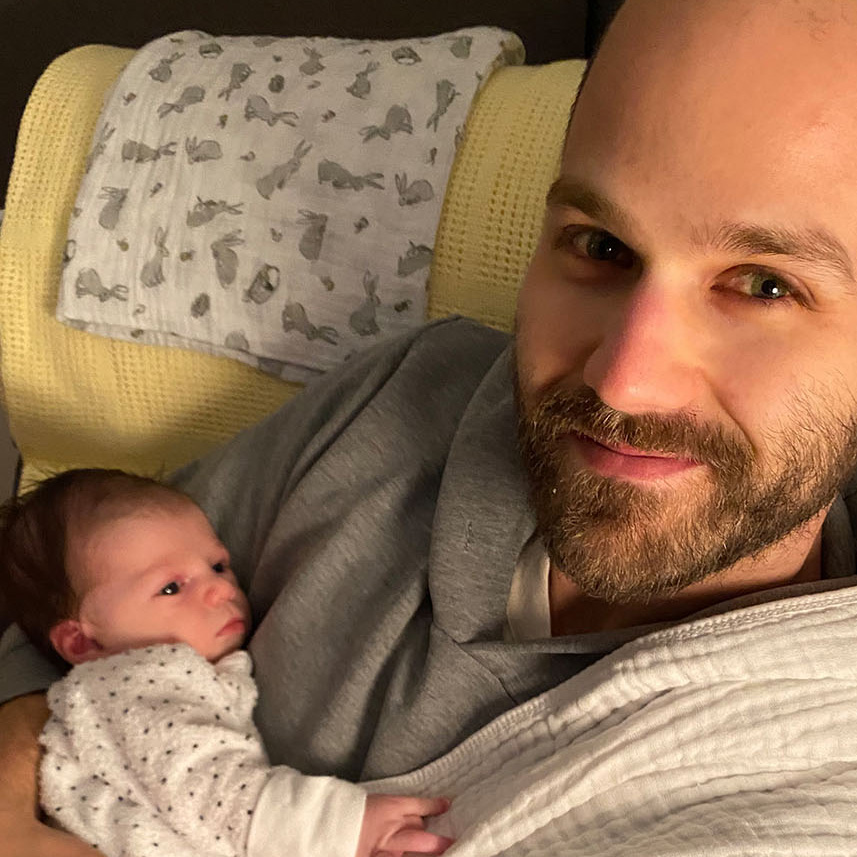
Australia’s biggest study into the causes of type 1 diabetes reached a significant milestone when its last Perth-based participant was born recently.

The aim of this study is to explore the experience of stigma in adolescents with type 1 diabetes and its association with diabetes self-management and glycaemic control.

Managing blood glucose levels with different foods can be challenging. Our research team would like to know how the hybrid closed loop system, deals with these foods, compared to standard pump therapy.
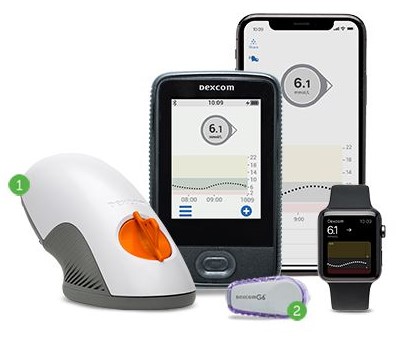
The Dexcom G6 Continuous Glucose Monitoring (CGM) system has been approved by the Therapeutic Goods Administration (TGA) for use in Australia.

Due to COVID-19, diabetes clinics across WA run by the Diabetes Service at Perth Children's Hospital are now using telehealth. We would like to take this opportunity to evaluate the use of telehealth for clinics.

One of the biggest challenges of having a child with a chronic illness during social isolation is the lack of respite for parents.

With Term 2 commencing this week, many parents are unsure as to whether to send their child with type 1 diabetes back to school. To assist parents with their own decision-making process, it is important to consider the individual risks and benefits for each family.

Our co-director Professor Liz Davis spoke to JDRF Australia to answer COVID-19 and type 1 diabetes questions.

We know many families have questions about the risk of COVID-19 to children with type 1 diabetes. To address these questions, Perth Children’s Hospital’s Diabetes Clinic has provided information and resources to help you navigate this tricky period.
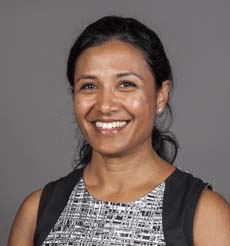
Congratulations to Children’s Diabetes Centre’s Dr Aveni Haynes on being awarded a JDRF Postdoctoral Fellowship to inform type 1 diabetes prevention strategies by investigating early blood glucose abnormalities in at-risk children.