
Search
The Paediatric Difficult Intubation Collaborative identified multiple attempts and persistence with direct laryngoscopy as risk factors for complications in children with difficult tracheal intubations and subsequently engaged in initiatives to reduce repeated attempts and persistence with direct laryngoscopy in children. We hypothesised these efforts would lead to fewer attempts, fewer direct laryngoscopy attempts and decrease complications.
Hypoxaemia occurs in approximately 30% of children during anaesthesia for flexible bronchoscopy. High-flow nasal oxygen (HFNO) can prolong safe apnoea time and be used in children with abnormal airways. During flexible bronchoscopy, there is limited evidence if HFNO confers advantages over current standard practice in avoiding hypoxaemia. The aim is to investigate feasibility of HFNO use during anaesthesia for flexible bronchoscopy to reduce frequency of rescue oxygenation and hypoxaemia.
On this Research Impact page, we list stories helping to show our exciting in-progress research currently "in the pipeline" towards translation. This is research which shows a real spark of potential to make a significant difference to children and families worldwide.
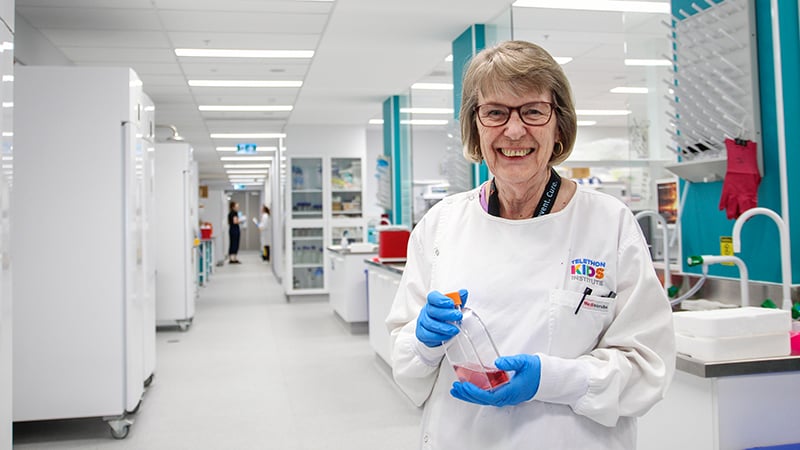
The Institute farewelled one of its most treasured employees this year, as The Kids Cancer Centre research officer Jette Ford closed the door on a quietly stellar 37-year career which has helped to change the face of cancer research in WA and around the world.
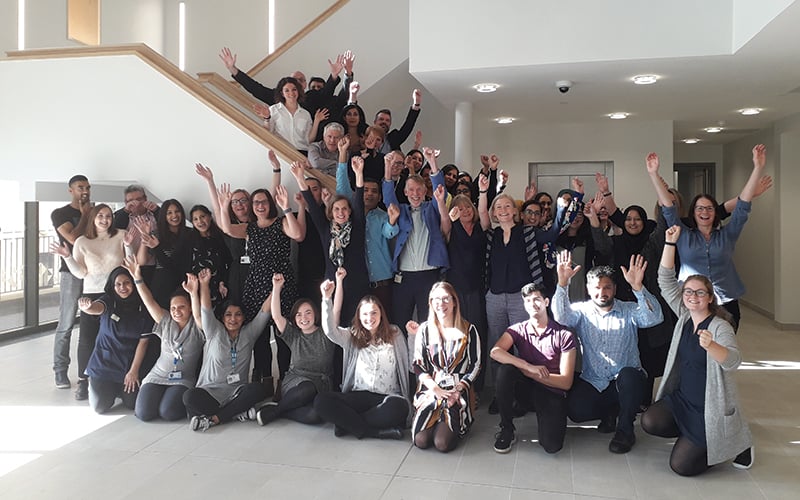
Autism researchers at The Kids have led the most comprehensive review of the evidence for autism intervention ever compiled
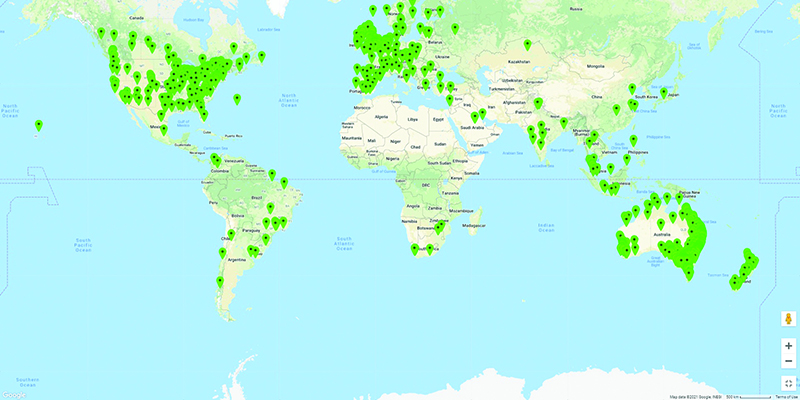
Researchers leading WA’s landmark ORIGINS Project have spearheaded a global network that will see them join forces with similar interventional cohort studies across the world to maximise data collection and learnings for
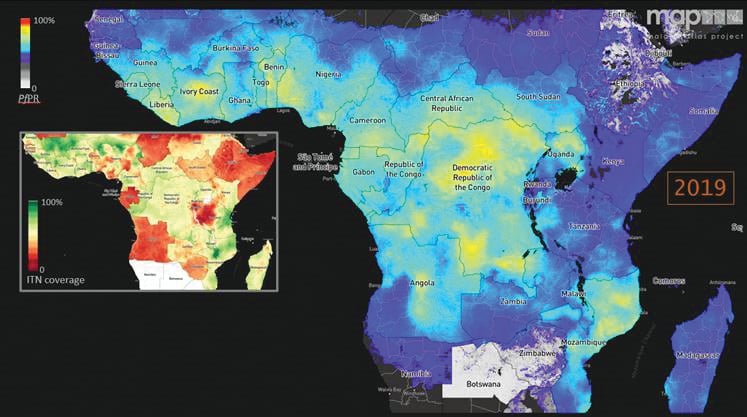
A global network of researchers led by Kerry M Stokes Chair of Child Health, Professor Pete Gething, is working to help support informed decision-making for malaria control at international, regional and national scales.
The world’s leading preterm scientists and doctors have joined forces to help give babies born very prematurely, the best possible life.
Running any research project is a feat of logistical gymnastics – and often, you don’t know what can go wrong until it happens.
A child can’t thrive if they don’t have a roof over their head.