
Search
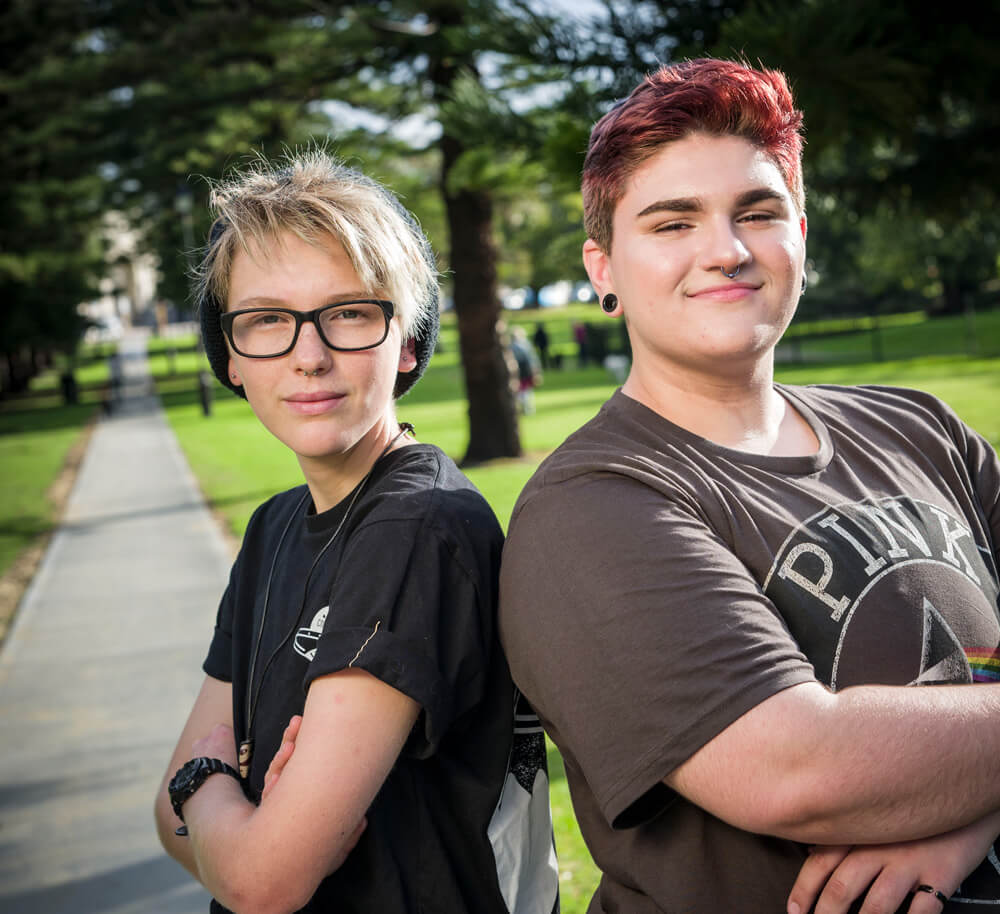
When Trans Pathways ambassador Drew, 17, came out as trans three years ago, the biggest hurdle for him was the availability of services and the time it took to access support.
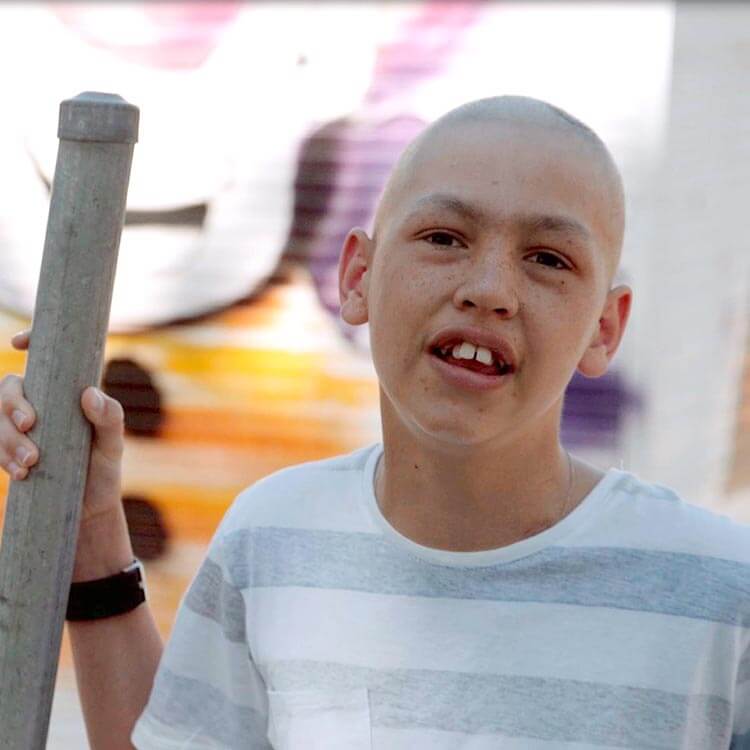
The Cancer Immunology team at The Kids is investigating how the body's 'natural killer' cells can be harnessed to fight cancer – whilst also protecting kids from nasty chemotherapy side effects.
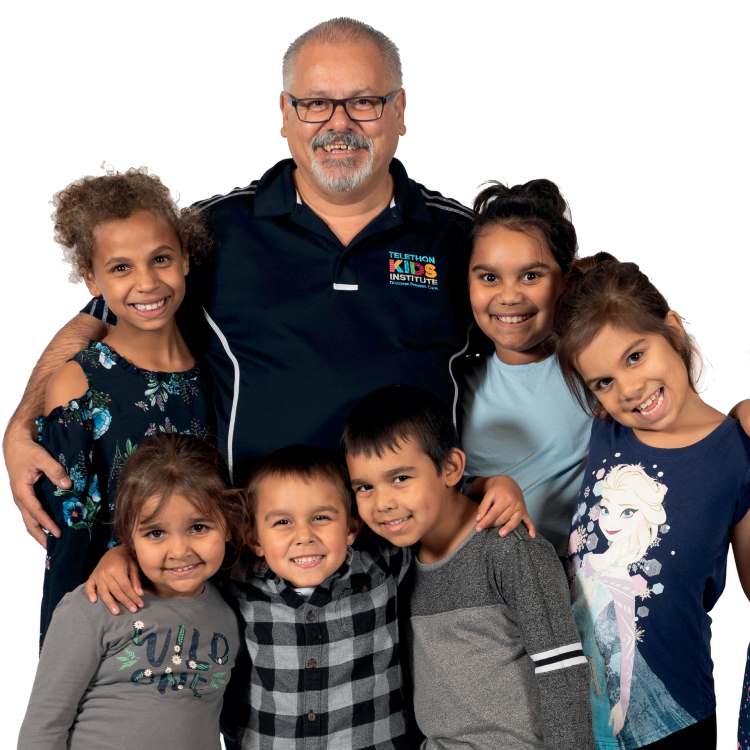
Led by nine Elders, the Ngulluk Koolunga Ngulluk Koort Project is working to generate a better understanding of early childhood development from an Aboriginal/Nyoongar perspective.

Daniel Christensen, The Kids Research Institute Australia Life Course Centre research fellow, explained there was rapid change in a child’s brain in the first few years of life, making their home environment and relationship with carers incredibly important.
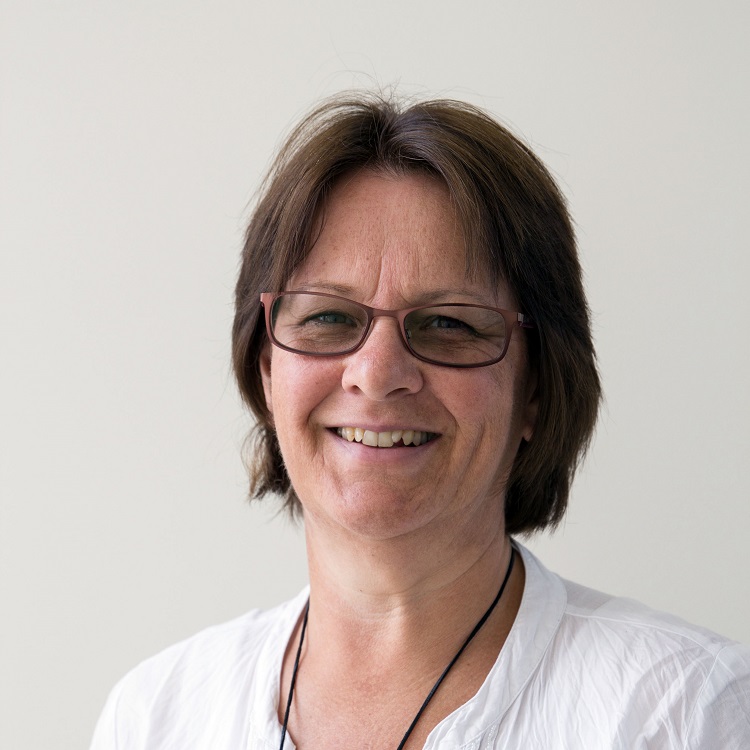
The Kids is collaborating with government agencies, parents and school representatives to trial an innovative intervention delivered through schools to increase parents’ knowledge and skills to delay and reduce teenage alcohol use.
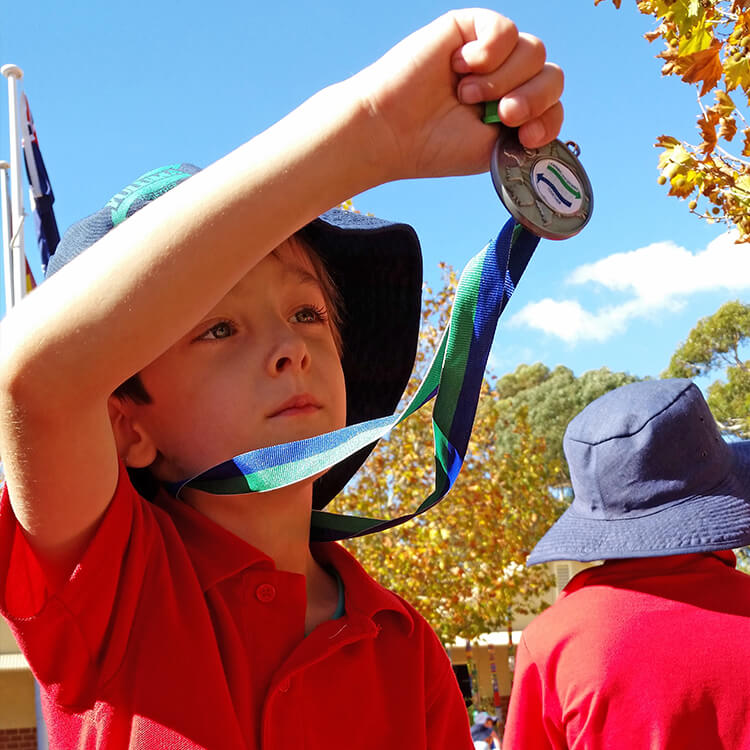
Two years on, Michelle and Dartanyon’s health and quality of life have significantly improved. We caught up with Michelle to hear about their journey since we first met them.
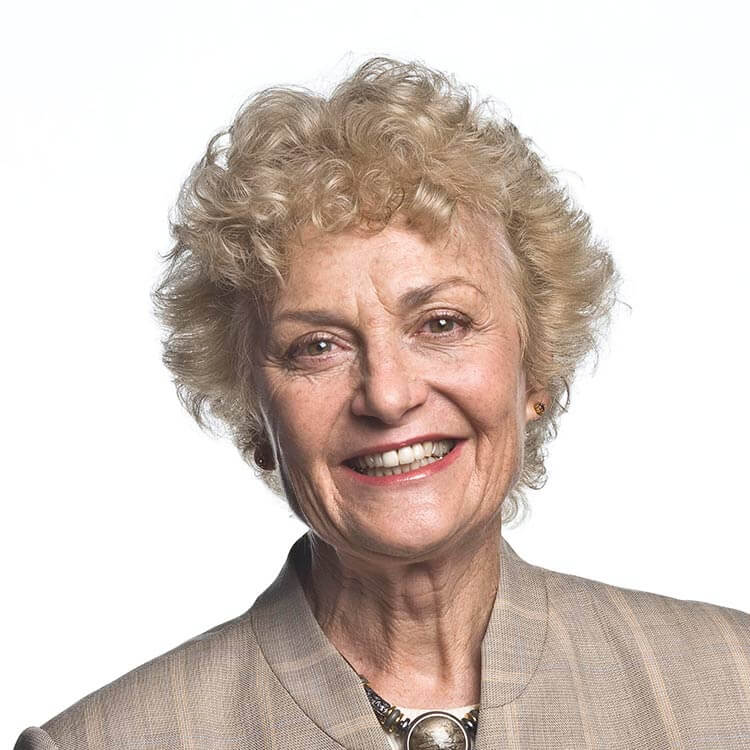
The Kids Research Institute Australia welcomes the Australian Government’s commitment to invest $65 million to transform the nation’s data system and the way data is used
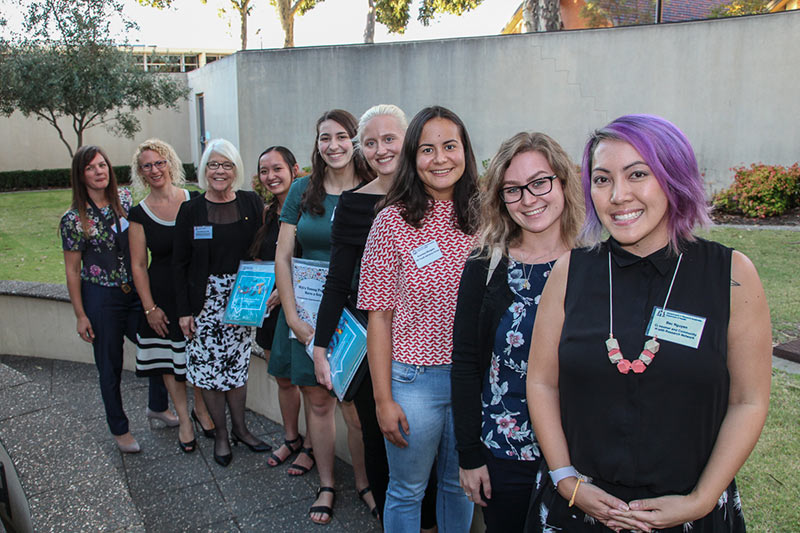
The Kids welcomes the launch of WA’s first policy on youth health which will give young people a voice in the planning of health services that affect them.
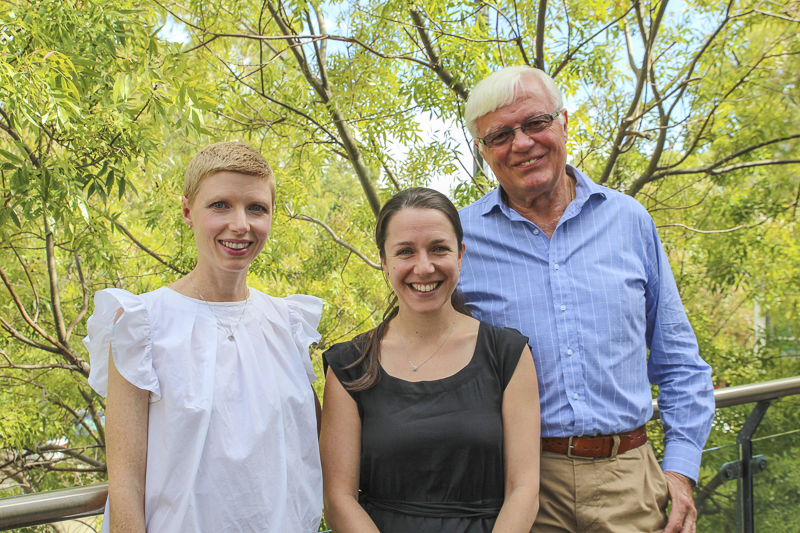
With mental health issues an escalating problem among young people, looking after the mental health of future generations has never been more
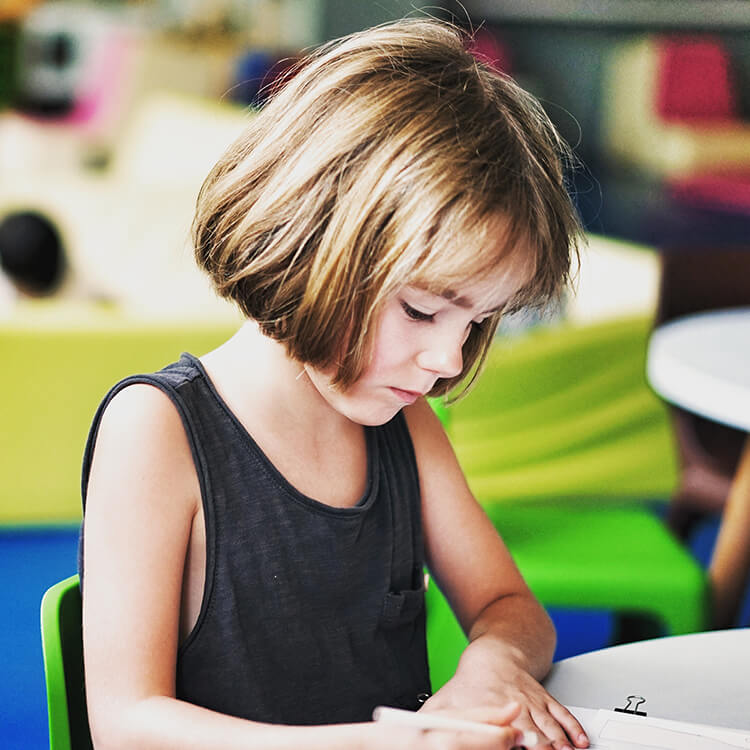
The effects of educational advantage or disadvantage get handed down through the generations according to a new study by researchers at the The Kids.