
Search

Summer heatwaves and hot weather can affect anyone.

Researchers into fetal alcohol spectrum disorder (FASD) have welcomed the Federal Government’s announcement of a ten-year national action plan that will drive efforts to reduce the impact of FASD on individuals, families and communities.
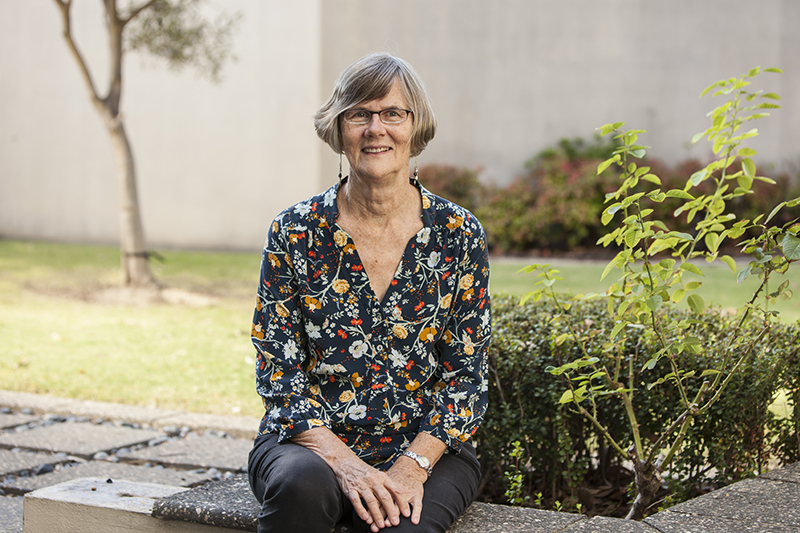
Hundreds of delegates from around Australia, Canada and New Zealand arrive in Perth this week to discuss the latest knowledge about fetal alcohol spectrum disorder (FASD) at the 2nd Australasian FASD Conference 2018.
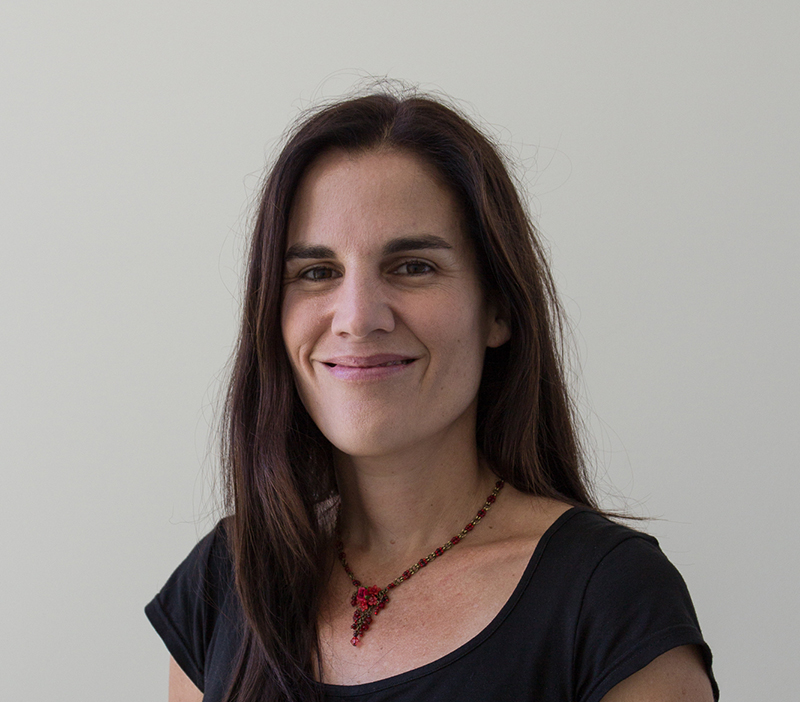
A The Kids Research Institute Australia study showing a link between intellectual disability and some forms of ART has reinforced the need for co-ordinated long-term monitoring of outcomes of children conceived using these techniques.
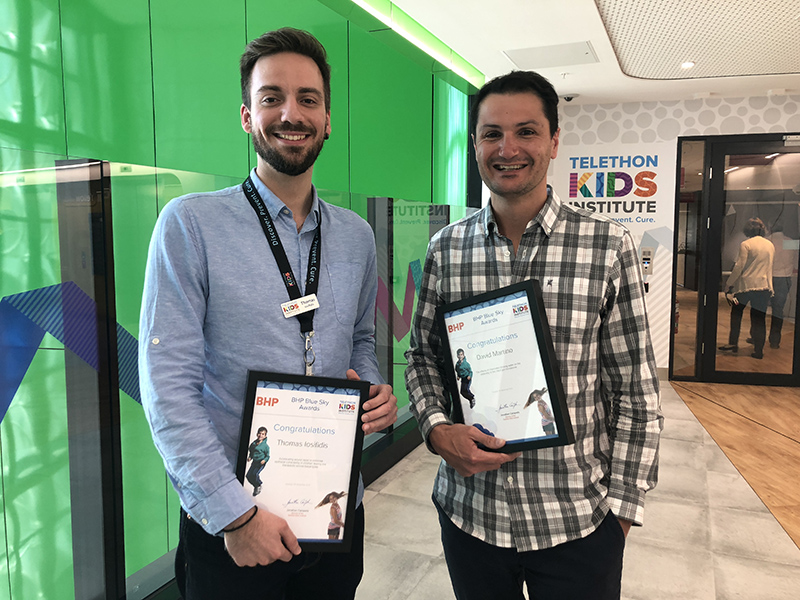
Two The Kids researchers will launch innovative new scientific projects thanks to funding from BHP.
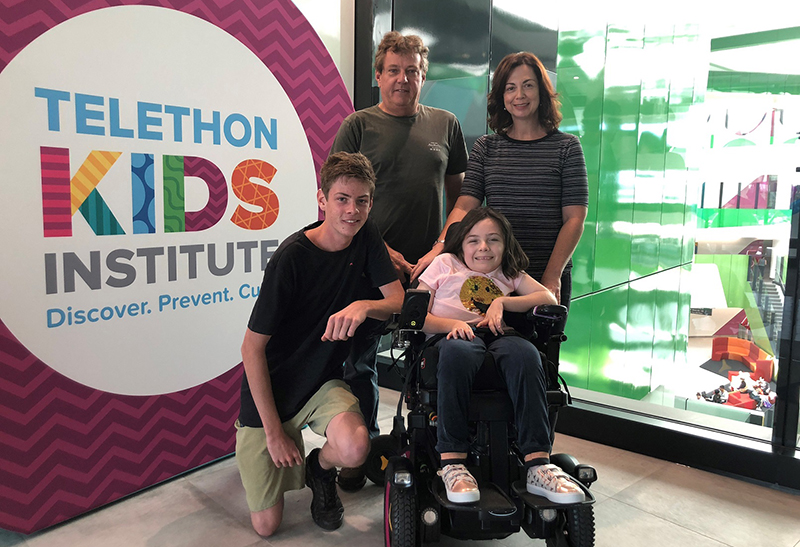
Mackenzie was 10 months old when her parents, Jodie and Scott, were given the life-changing news that their daughter would never walk.
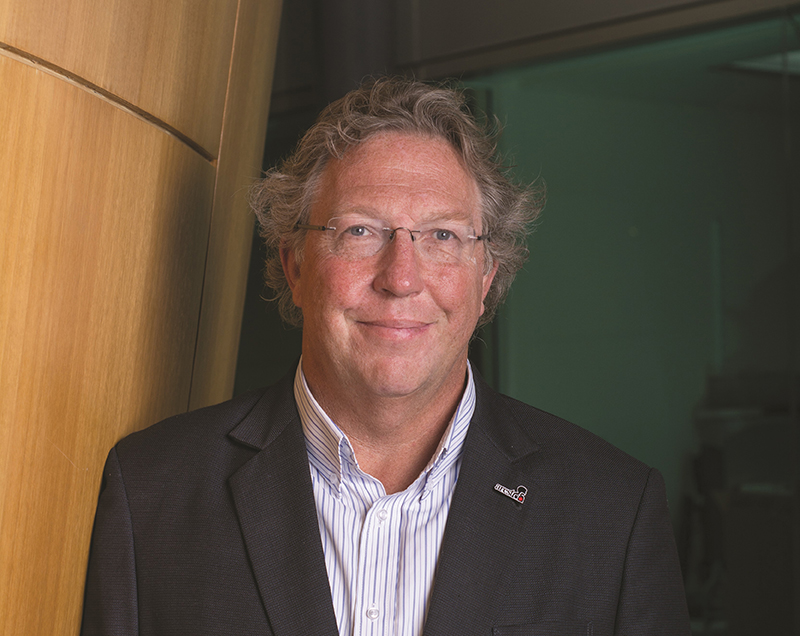
A new program that uses cutting edge stem cell techniques to repair lung damage in children will be established at The Kids Research Institute Australia with support from the Telethon-Perth Children’s Hospital Research Fund (TPCHRF).
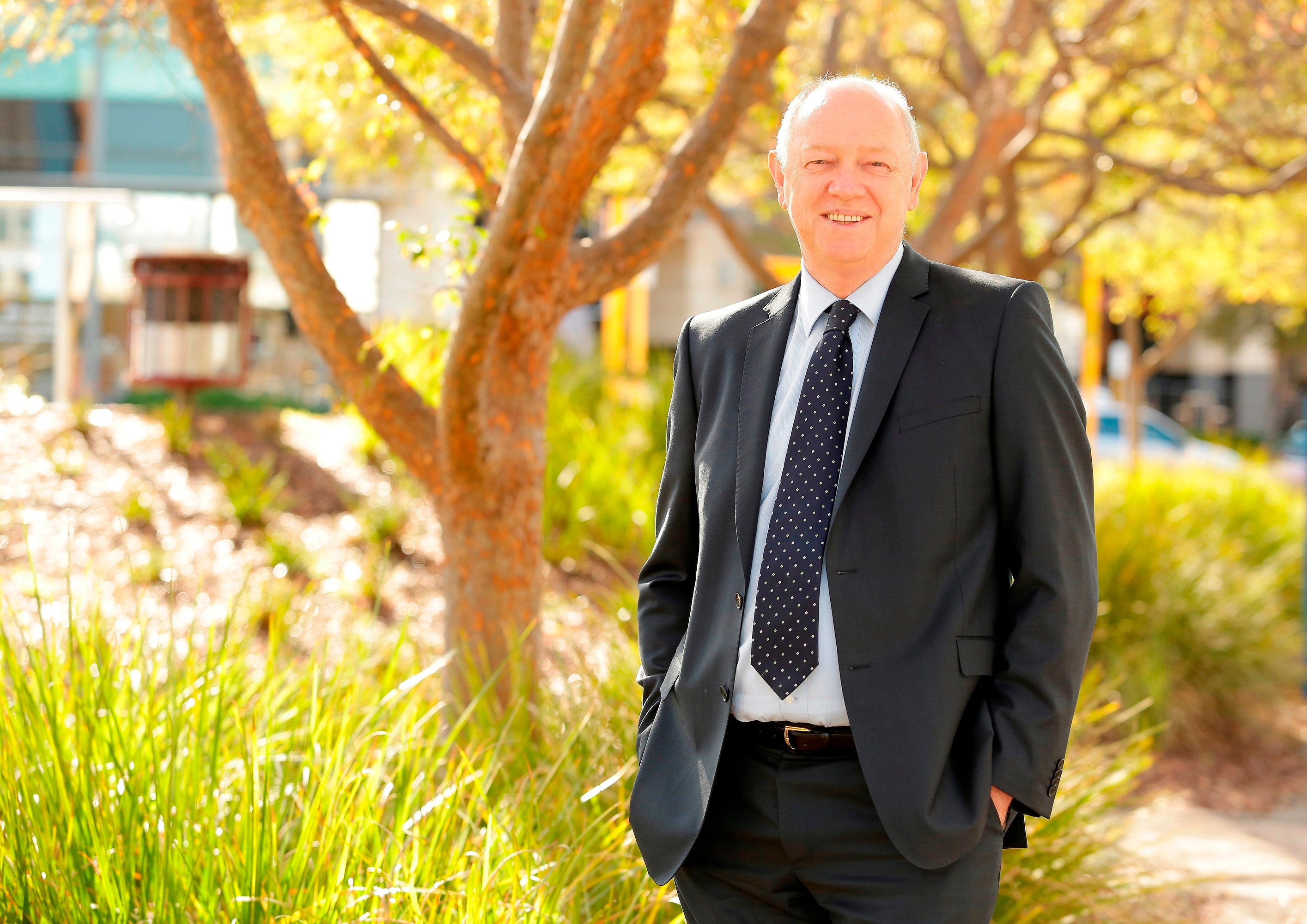
Around seven per cent of children and young people live in poverty, and one third are developmentally vulnerable when they start full-time school.
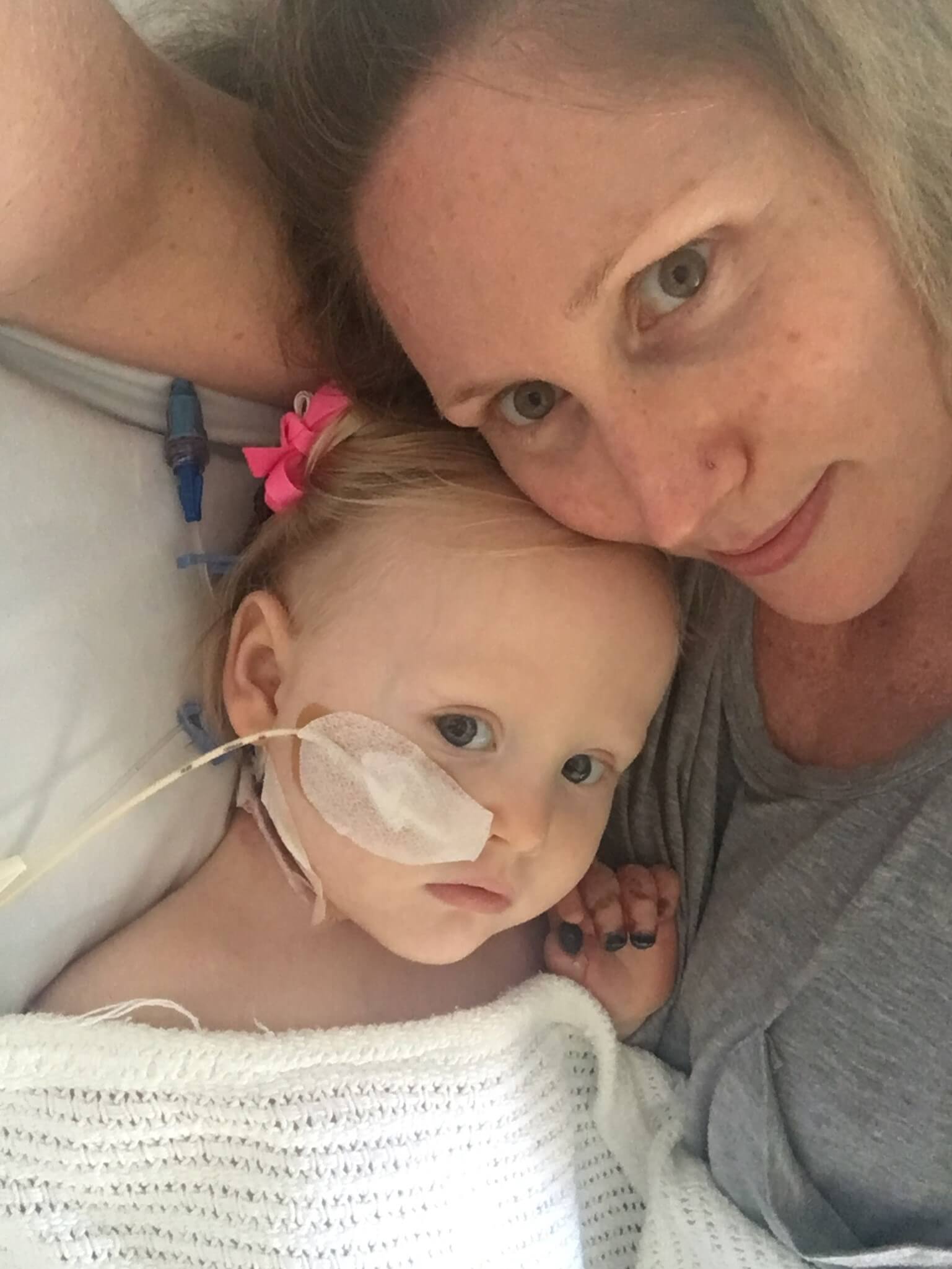
"I had never heard of invasive Streptococcus A disease before, and I was shocked to hear that it is actually three times more common than meningococcal disease and just as deadly yet there is no vaccine to protect against it."
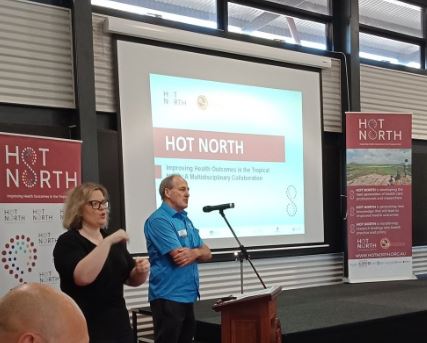
Over 100 researchers and health professionals from around Australia have united in Broome this week to address the major health battles facing people living in the tropical north of the country.