
Search
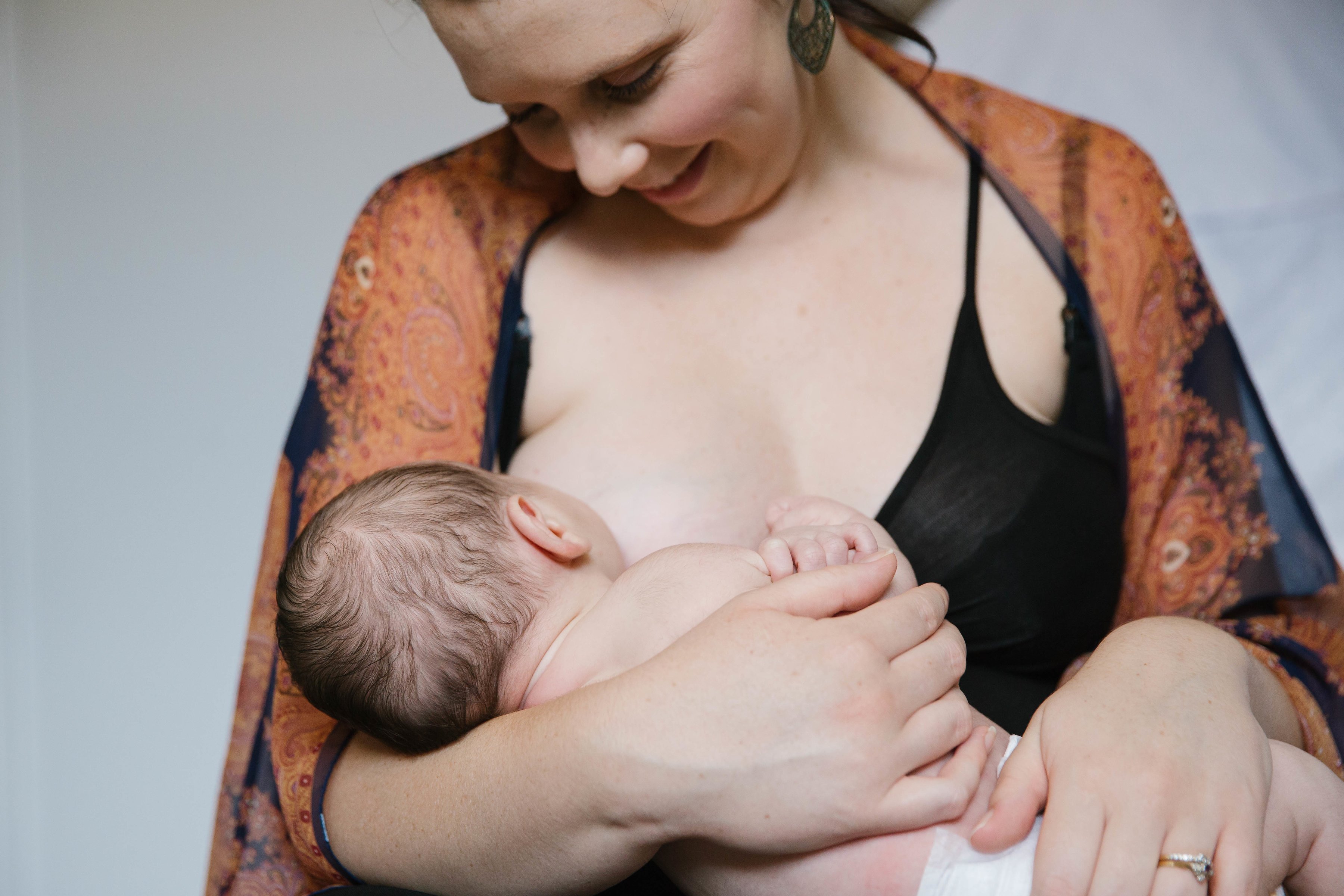
The Antenatal Colostrum Expression (ACE) Study aims to determine whether hand expressing of colostrum in the last few weeks of pregnancy can help new mothers to breastfeed.

Pregnancy Lifestyle Activity and Nutrition (PLAN)

ORIGINS sub-projects that are currently inactive
RHINO researchers from The Kids' Wal-yan Respiratory Research Centre, will analyse ORIGINS data and turn it into meaningful respiratory and allergy outcome data that can be used by researchers around the world.
Pregnancy, childbirth, and motherhood can involve many new challenges.
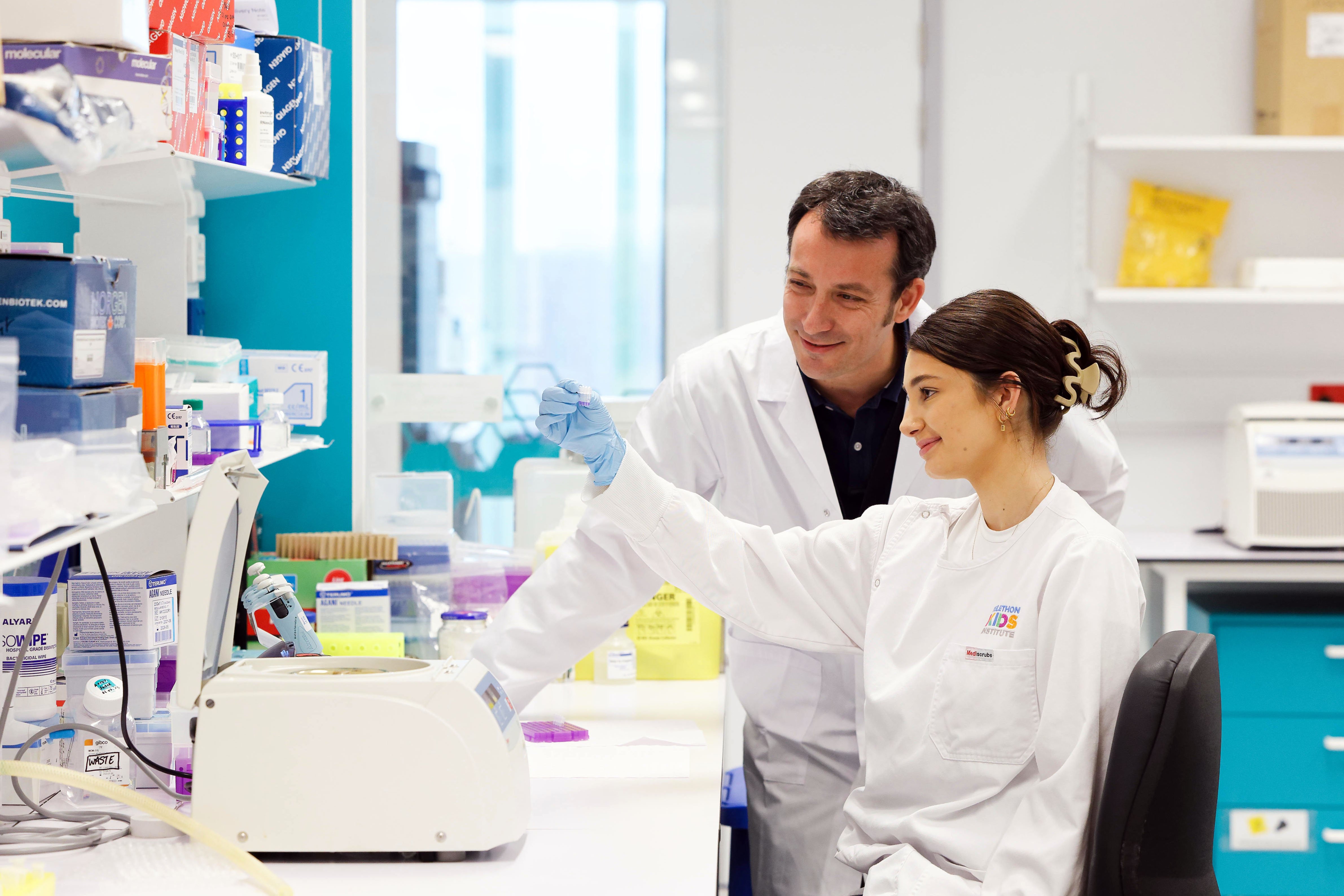
Join us as WA’s cancer research community comes together at the inaugural West Coast Cancer Meeting.
The Rio Tinto Children's Diabetes Centre is a research centre that aims to improve the lives of children and young adults living with diabetes by bringing together research, education and clinical care.
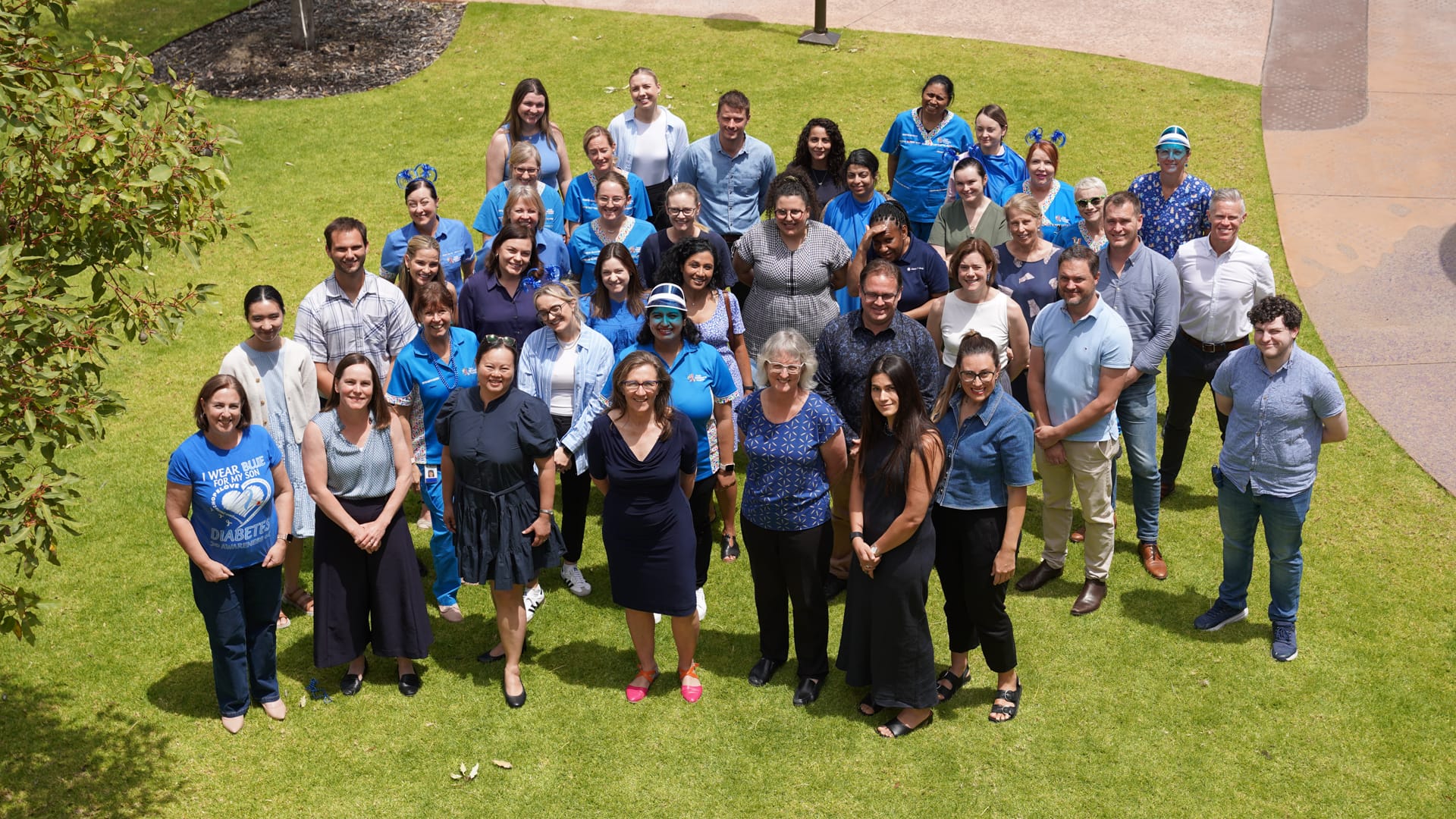
The Centre includes researchers at The Kids Research Institute Australia’s Diabetes Research Team and the Diabetes Service at the Perth Children’s Hospital.
Type 1 diabetes is a chronic autoimmune disease that results from the immune system attacking the insulin-producing cells of the pancreas. Unlike type 2 diabetes which is potentially preventable, type 1 is a non-preventable disease - currently, its exact cause is not known and there is no cure.