Skip to content
The Kids Research Institute Australia logo
Donate

Search

A blueprint for a multi-disease, multi-domain Bayesian adaptive platform trial incorporating adult and paediatric subgroups: the Staphylococcus aureus Network Adaptive Platform trial

The Staphylococcus aureus Network Adaptive Platform (SNAP) trial is a multifactorial Bayesian adaptive platform trial that aims to improve the way that S. aureus bloodstream infection, a globally common and severe infectious disease, is treated. In a world first, the SNAP trial will simultaneously investigate the effects of multiple intervention modalities within multiple groups of participants with different forms of S. aureus bloodstream infection.

The landscape of genomic structural variation in Indigenous Australians

Indigenous Australians harbour rich and unique genomic diversity. However, Aboriginal and Torres Strait Islander ancestries are historically under-represented in genomics research and almost completely missing from reference datasets. Addressing this representation gap is critical, both to advance our understanding of global human genomic diversity and as a prerequisite for ensuring equitable outcomes in genomic medicine.

Respiratory Syncytial Virus Reinfections in Children in Western Australia

Respiratory syncytial virus (RSV) reinfection in children is poorly understood. We examined the incidence, characteristics, and outcomes of hospital-attended RSV reinfections in children <16 years in Western Australia between 2012 and 2022.

Altered dietary behaviour during pregnancy impacts systemic metabolic phenotypes

Evidence suggests consumption of a Mediterranean diet (MD) can positively impact both maternal and offspring health, potentially mediated by a beneficial effect on inflammatory pathways. We aimed to apply metabolic profiling of serum and urine samples to assess differences between women who were stratified into high and low alignment to a MD throughout pregnancy and investigate the relationship of the diet to inflammatory markers.  

Changing climates, compounding challenges: A participatory study on how disasters affect the sexual and reproductive health and rights of young people in Fiji

Pacific youth are at the forefront of the climate crisis, which has important implications for their health and rights. Youth in Fiji currently bear a disproportionate burden of poor experiences and outcomes related to their sexual and reproductive health and rights (SRHR). There is limited information about how the increasing climate impacts may affect their SRHR, and what the implications may be for climate action and disaster risk reduction.

Continuous Telemetric In Utero Tracheal Pressure Measurements in Fetal Lambs

Normal in utero lung development and growth rely upon the expansion of airspaces and the controlled efflux of lung liquid into the amniotic space. Infants with congenital diaphragmatic hernia (CDH) also have lung hypoplasia due to occupation of the chest cavity by the stomach and bowel and, in the most severe cases, the liver. Balloon tracheal occlusion reduces the severity of lung hypoplasia in fetuses with CDH but increases the risk of premature birth.

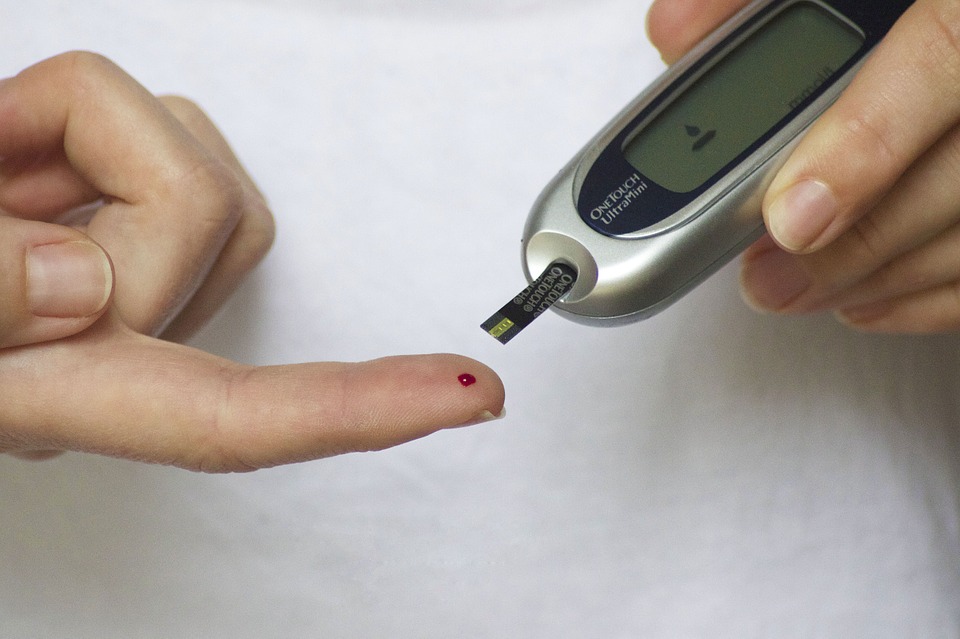
Feasibility and acceptability of the use of flash glucose monitoring encountered by Indigenous Australians with type 2 diabetes mellitus: initial experiences from a pilot study

Type 2 diabetes mellitus (T2DM) is highly prevalent within the Indigenous Australian community. Novel glucose monitoring technology offers an accurate approach to glycaemic management, providing real-time information on glucose levels and trends. The acceptability and feasibilility of this technology in Indigenous Australians with T2DM has not been investigated. 

Global Prevalence of Varicella-Associated Complications: A Systematic Review and Meta-Analysis

Varicella (chickenpox) is an infectious disease caused by the varicella zoster virus affecting children, adolescents, and adults. Varicella symptoms are usually self-limiting; however, different complications with widespread and systemic manifestations can occur. This systematic literature review aims to explore and quantify varicella-associated complication rates.

Indigenous Australian genomes show deep structure and rich novel variation

The Indigenous peoples of Australia have a rich linguistic and cultural history. How this relates to genetic diversity remains largely unknown because of their limited engagement with genomic studies. Here we analyse the genomes of 159 individuals from four remote Indigenous communities, including people who speak a language (Tiwi) not from the most widespread family (Pama-Nyungan). This large collection of Indigenous Australian genomes was made possible by careful community engagement and consultation.

Microevolution and Its Impact on Hypervirulence, Antimicrobial Resistance, and Vaccine Escape in Neisseria meningitidis

Neisseria meningitidis is commensal of the human pharynx and occasionally invades the host, causing the life-threatening illness invasive meningococcal disease. The meningococcus is a highly diverse and adaptable organism thanks to natural competence, a propensity for recombination, and a highly repetitive genome.