
Search
Search Giving at The Kids.

The Journey Together initiative aims to improve the life trajectories for Aboriginal children across three sites in Western Australia – Port Hedland, Newman and Perth.
Mailing list Discover. Prevent. Cure. Discover. Prevent. Cure. Mailing list Be Inspired About The Kids About The Kids Be Inspired Join thousands of
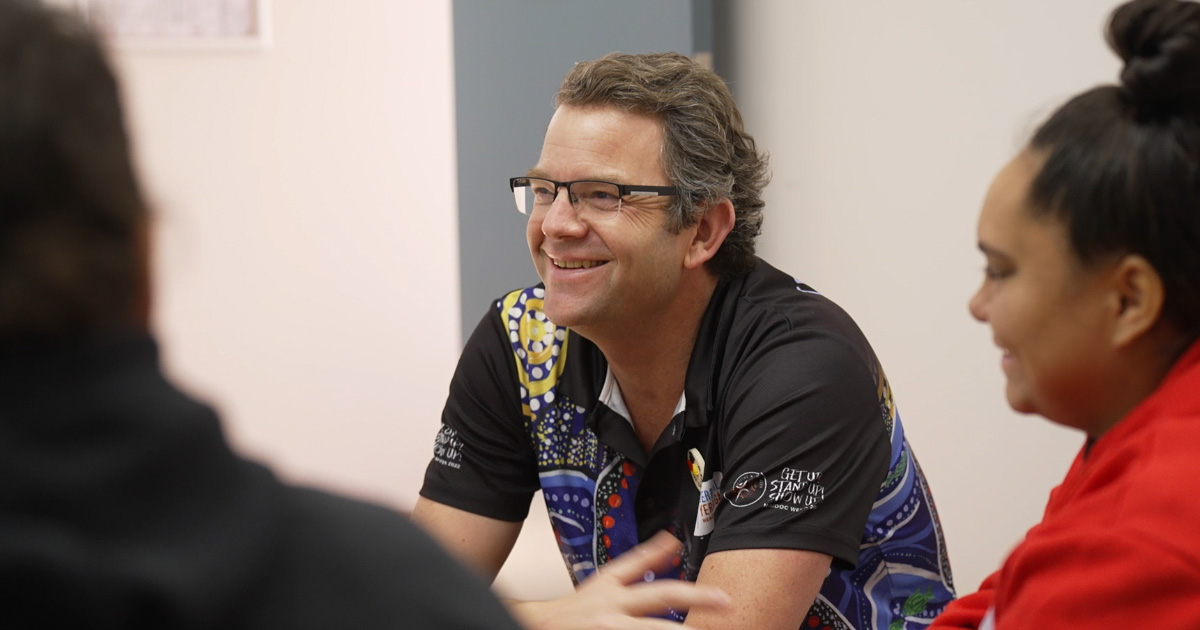
Derbarl Yerrigan Health Service (DYHS) has developed a holistic paediatric service unit anchored in primary health care and underpinned by care coordination provided by an experienced nurse and multi-disciplinary team.
Adam Costantini (SA)
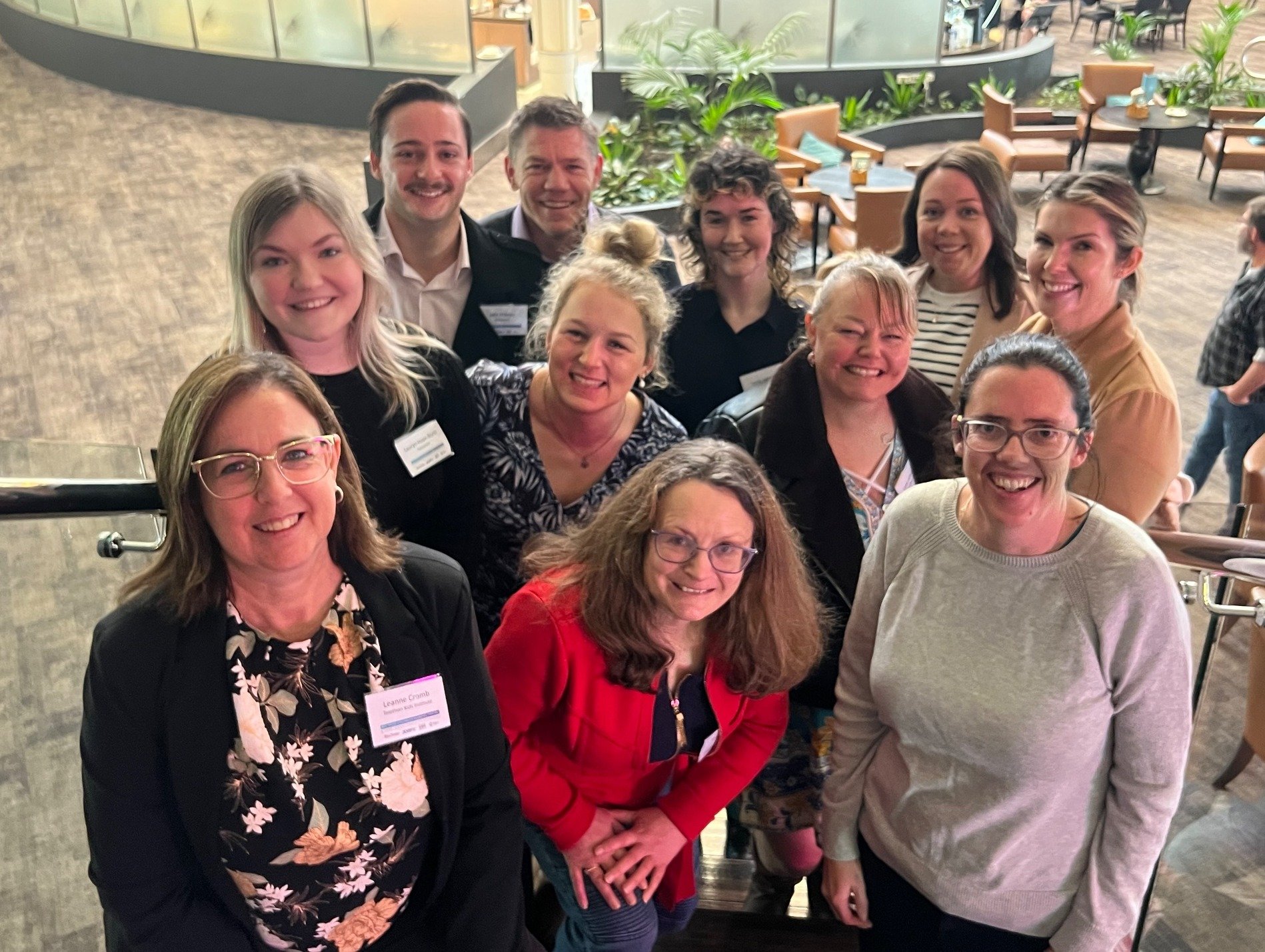
Community Involvement and Consumer Representatives are a really important part of our research. Find out what they have been working on.
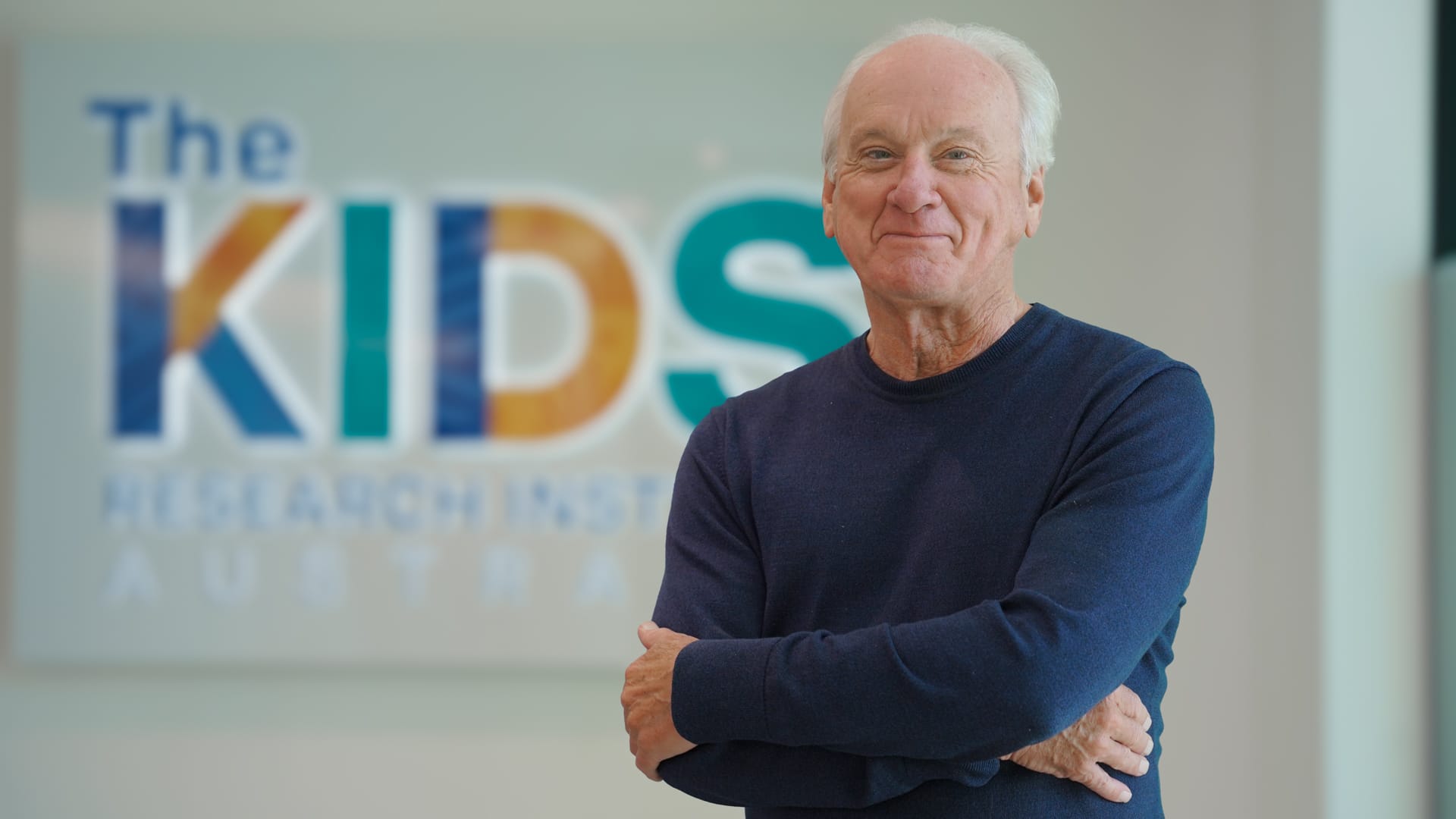
Congratulations to the Rio Tinto Children's Diabetes Centre Co-Director and Perth Children's Hospital Director of Research, Professor Timothy Jones, awarded a Member of the Order of Australia (AM) in the King's Birthday Honours List.
The Persist Study Community Workshop. Help us to understand how to engage other youth who live with T1D!