
Search
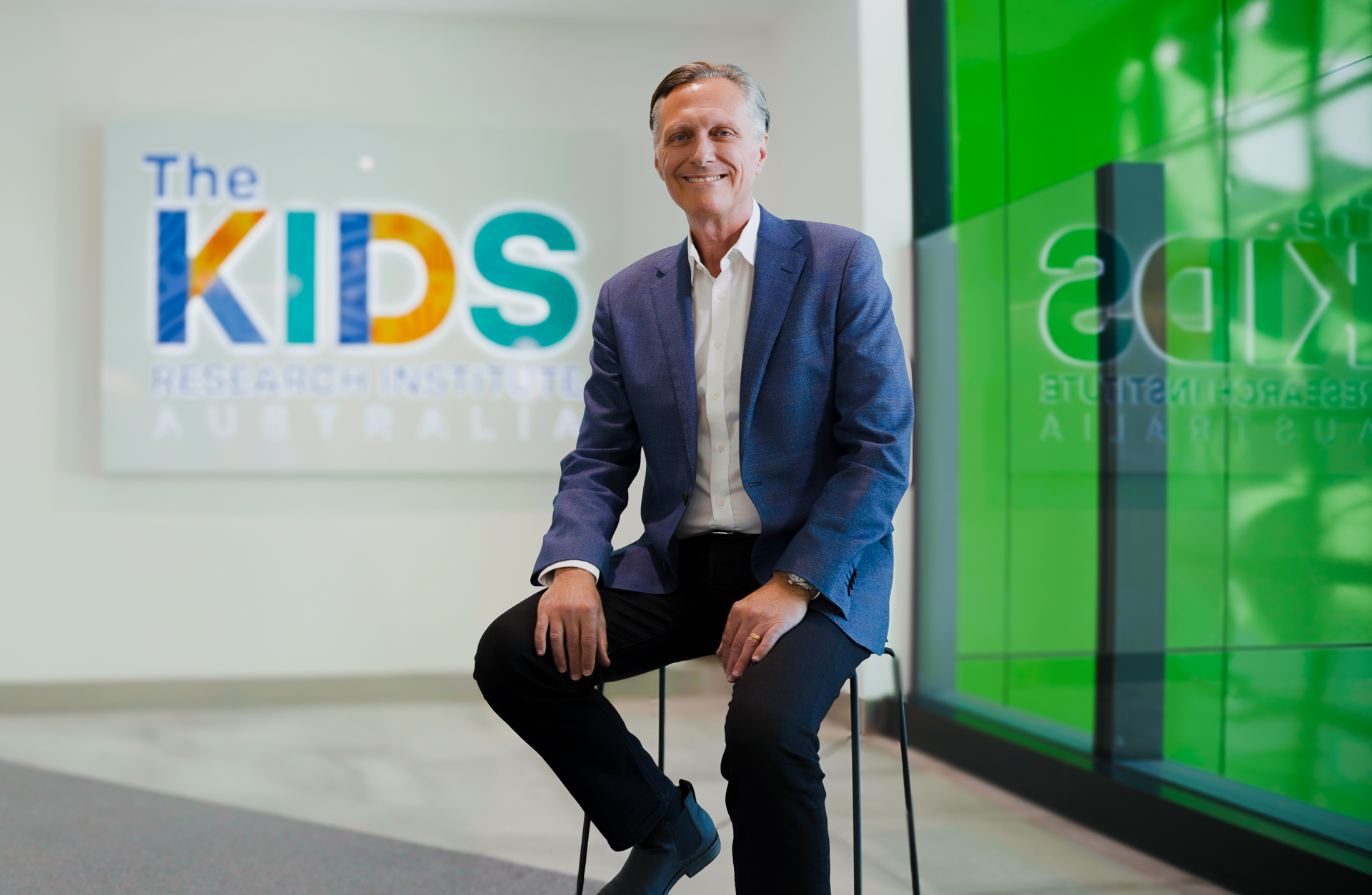
The Australian Government has appointed the National Health and Medical Research Council (NHMRC) Council for 2024 to 2027.

Professor Jonathan Carapetis AM, has been recognised as an outstanding member of the Greek diaspora in Australia for his longstanding excellence and leadership within the health and medical research sector.

Researchers will use cutting edge big data and geospatial modelling techniques to tackle the dramatic decline in the number of West Australian children walking or riding to school.

Five researchers from The Kids Research Institute Australia have been awarded three-year fellowships with the aim of keeping more WA-based PhD graduates involved in child health research.
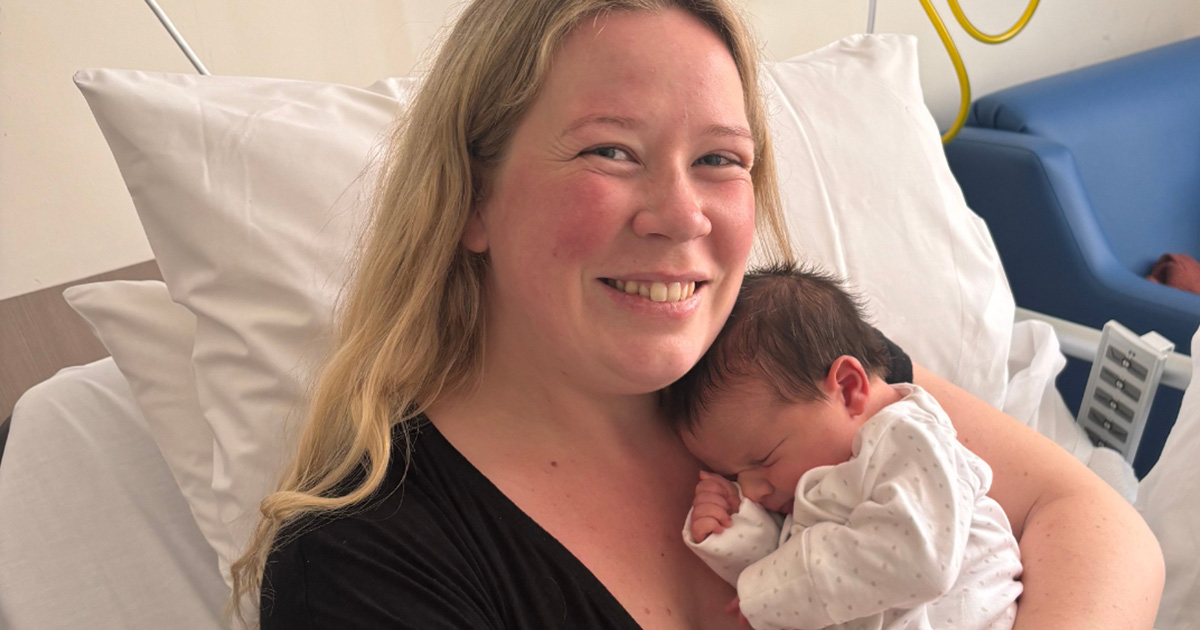
Australia’s biggest longitudinal study following the health and wellbeing of children from their conception through to childhood, has welcomed its 10,000th and final participant.
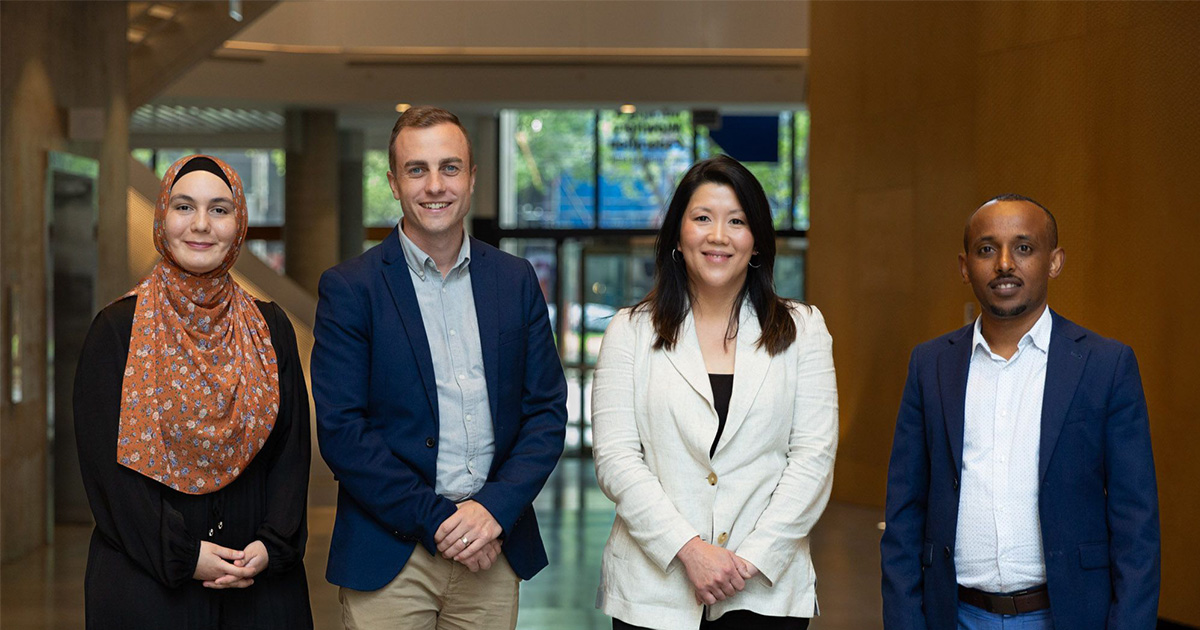
A leading tuberculosis researcher from The Kids Research Institute Australia and Curtin University has been named a finalist for the Association of Australian Medical Research Institutes (AAMRI) 2024 Rising Star Award.
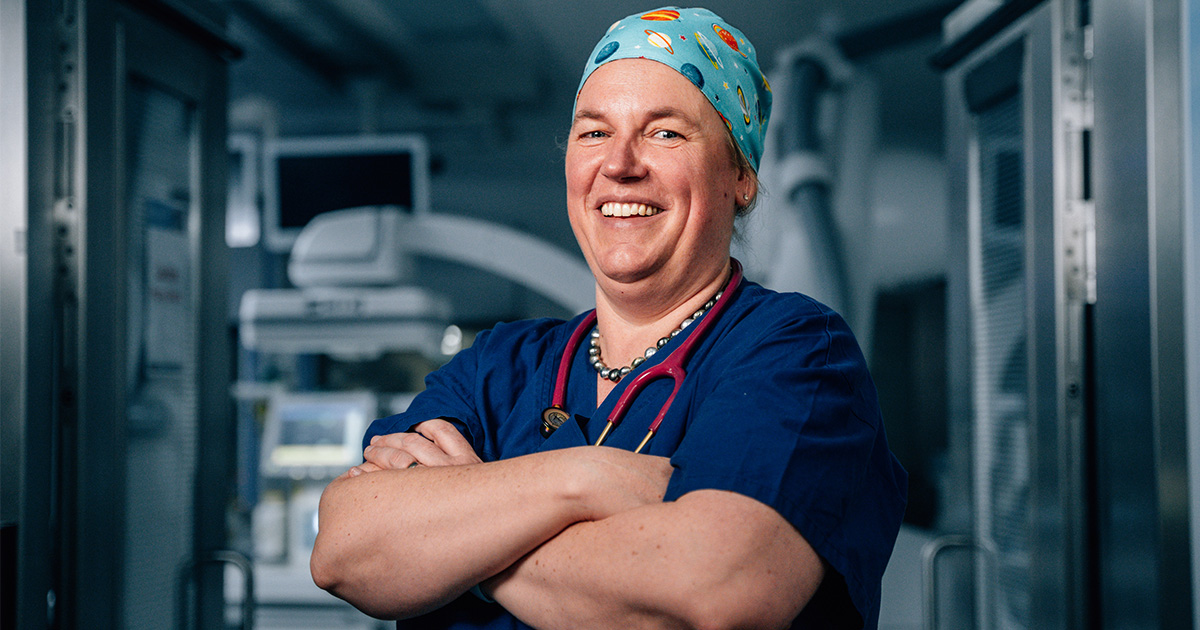
Congratulations to trailblazing Western Australian paediatric anaesthetist and researcher Professor Britta Regli-von Ungern-Sternberg, who has been awarded a prestigious Prime Minister’s Prize for Science for globally influential research that has made surgery and recovery safer for babies and children.
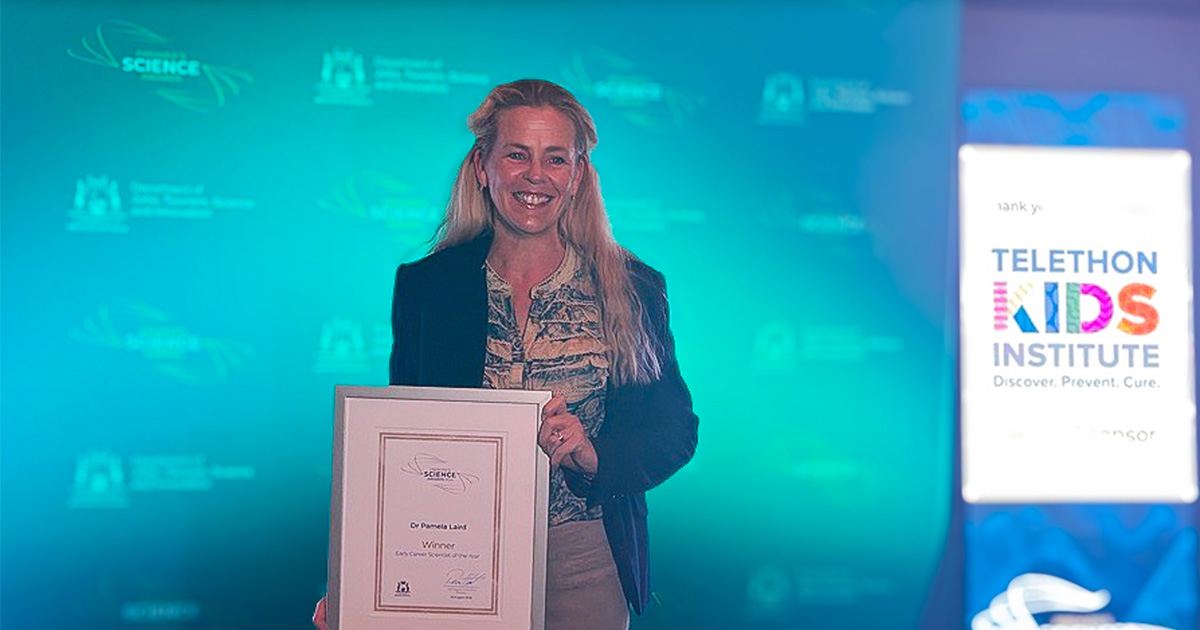
Congratulations to respiratory health researcher and clinician Dr Pam Laird, who was last night named joint winner of Early Career Scientist of the Year at the 2024 Premier’s Science Awards.
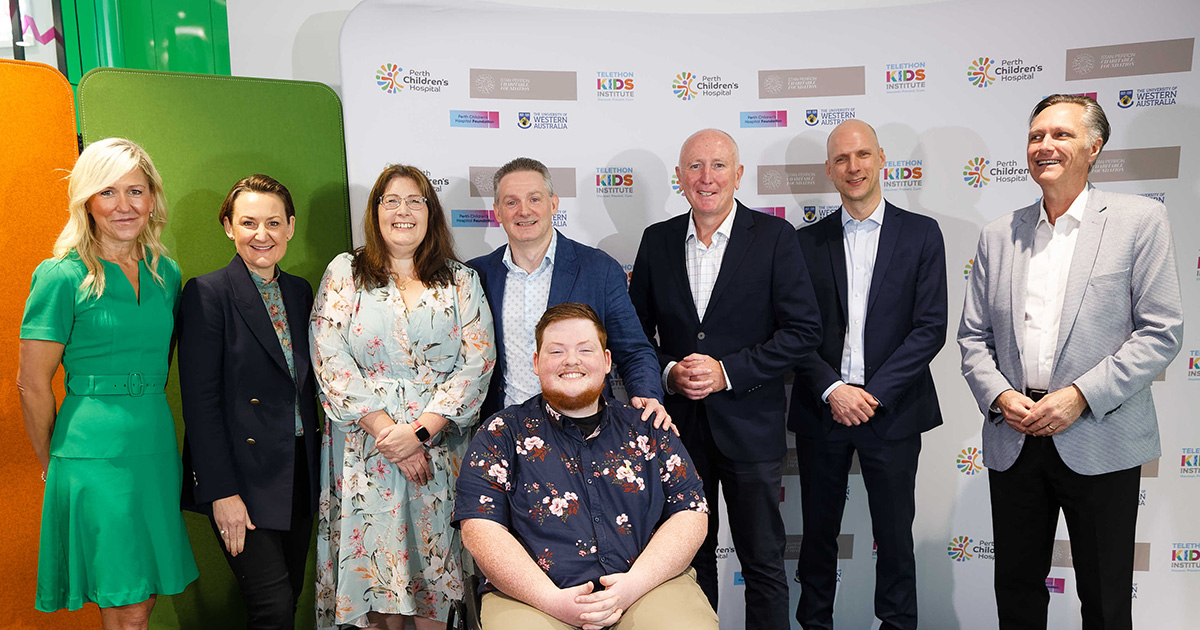
One of WA’s biggest ever philanthropic gifts will transform childhood cancer research and treatment by improving outcomes for children with cancer and discovering more effective and less toxic treatments.
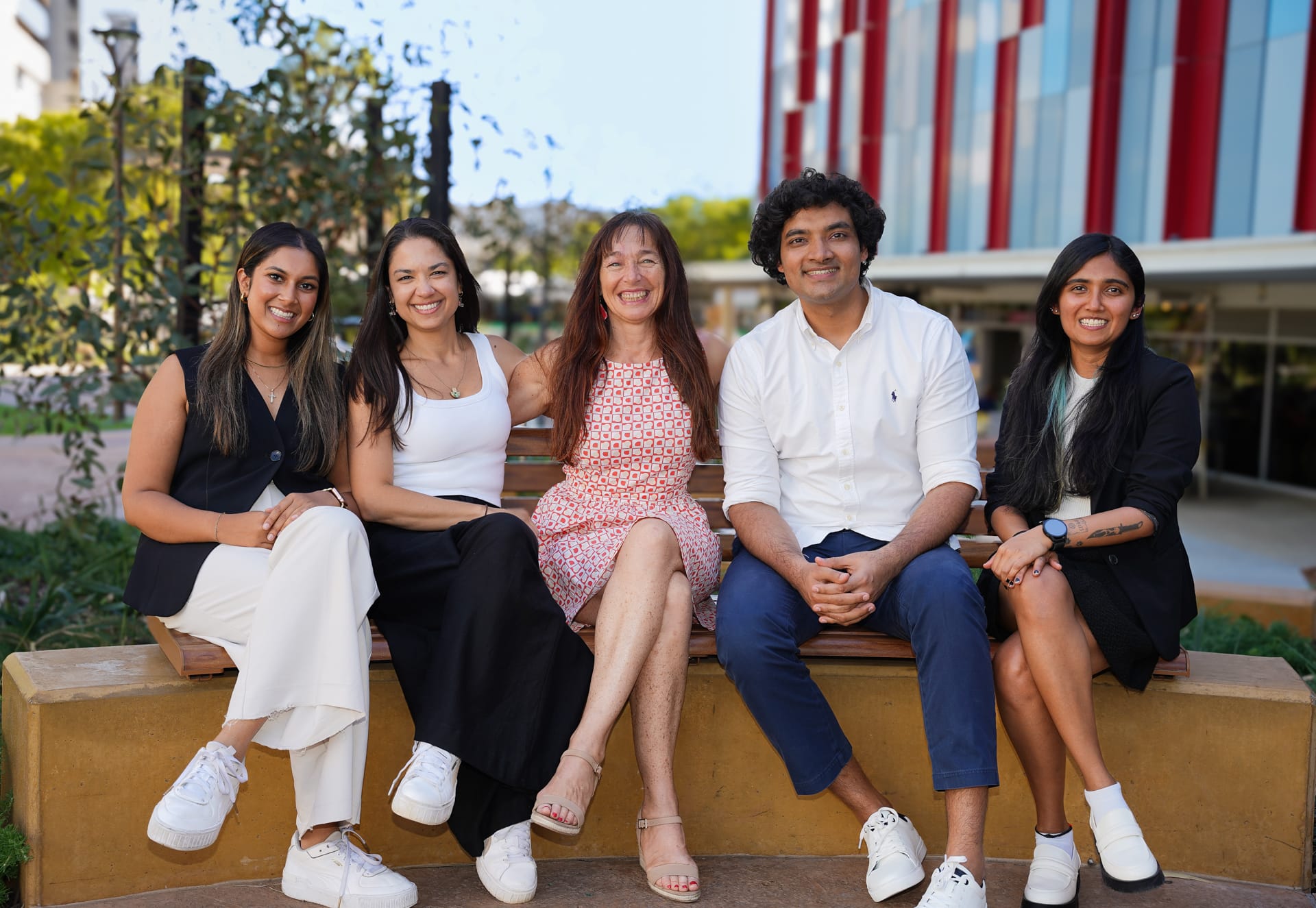
In celebration of World Breastfeeding Week (August 1-7), we're thrilled to share our latest research that's revolutionising our understanding of breast milk and supporting breastfeeding mothers.