
Search
Scoliosis is a common clinical manifestation of Rett syndrome, a neurodevelopmental disorder that almost exclusively affects girls.
To examine the prevalence, cumulative incidence, and survival in an Australian cohort with Rett syndrome (RTT).
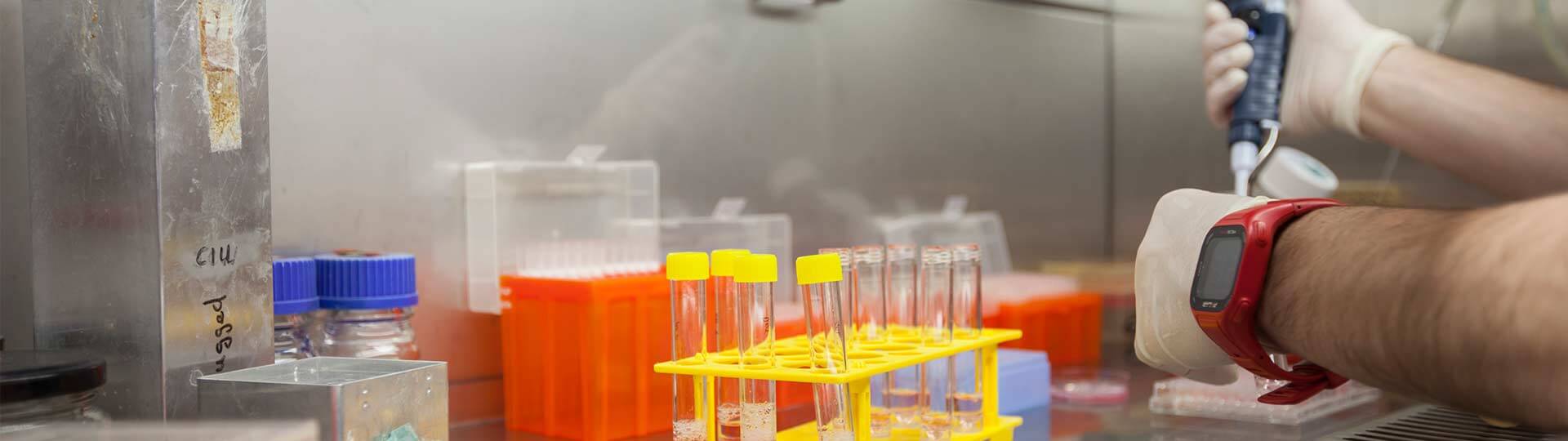
At The Kids Research Institute Australia, we pride ourselves on conducting research to the highest standards possible. See our Research Governance process in more detail.
We believe the way we reward research excellence is better than anywhere in the nation. Find out about the ways The Kids Research Institute Australia rewards our researchers.

We identify, develop and commercialise the technologies and innovations developed by our scientists and clinicians.
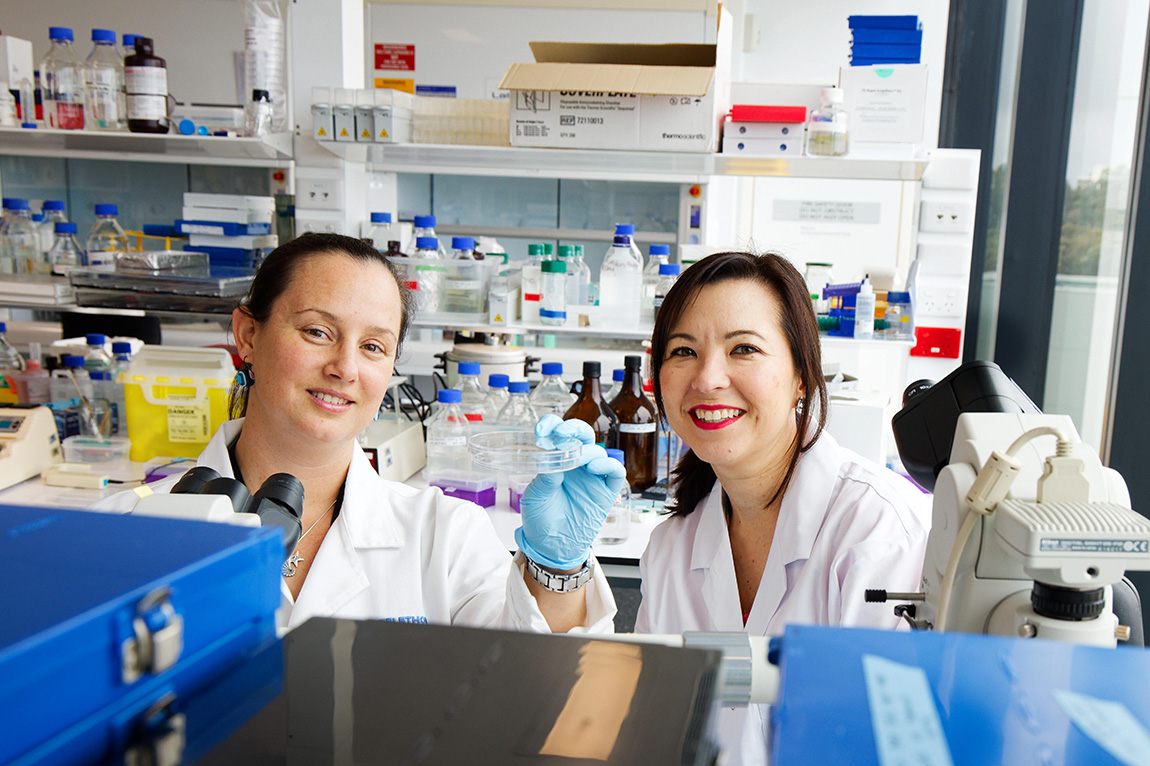
Dedicated to preventing and managing chronic conditions in children, such as respiratory disease, diabetes, and cancer. This theme focuses on research to reduce the long-term impact of these conditions on quality of life and healthcare systems.

The Advancing Innovation in Respiratory (AIR) Health Team is a multi-disciplinary group with skills in clinical medicine, physiology, psychology, and in cellular and molecular biology, that are committed to improving the lives of children with respiratory diseases and their families.
Researchers are able to track the progress of lung disease through a comprehensive longitudinal set of biological samples, images and data archives.
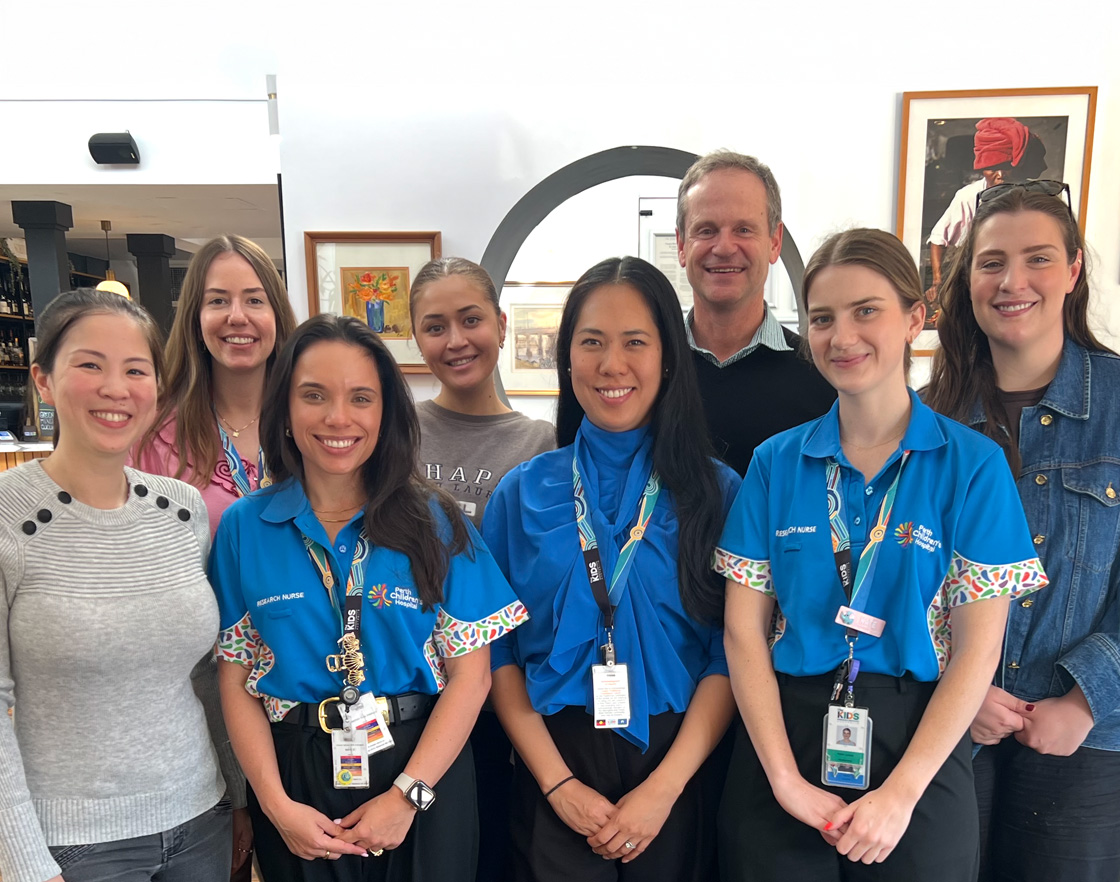
Our team aims to optimise lung health early in life to ensure the best possible health outcomes later in life.
Epigenomic research at The Kids explores the links between childhood disease and the molecular hallmarks of epigenetic control.