
Search
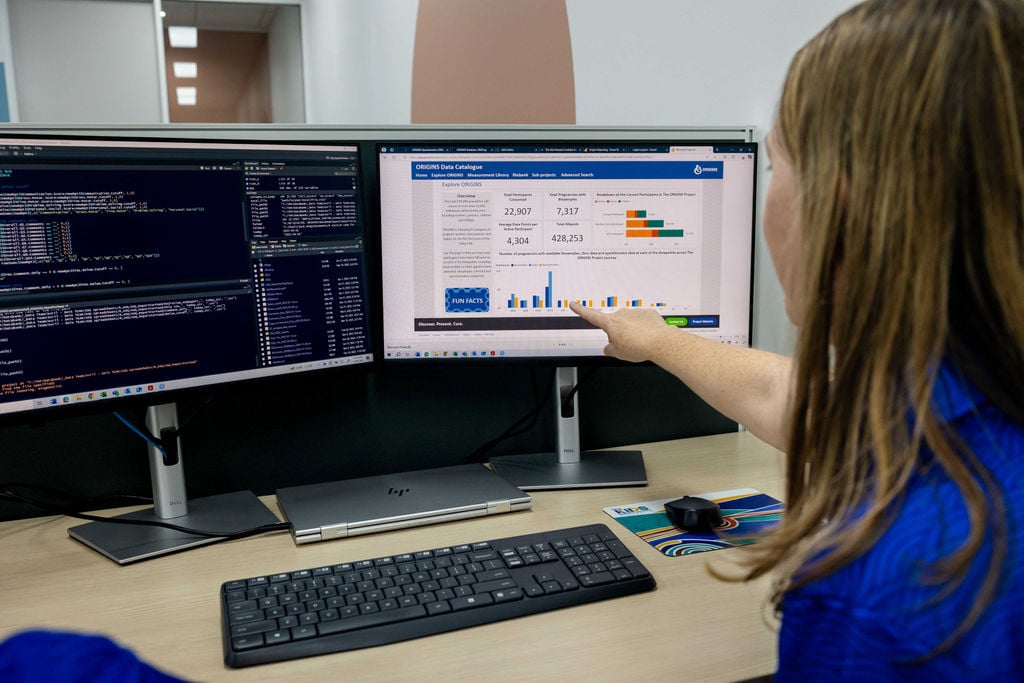
ORIGINS is collecting data from multiple sources from the mother, infant and partner at multiple timepoints from gestation through to five years of age.
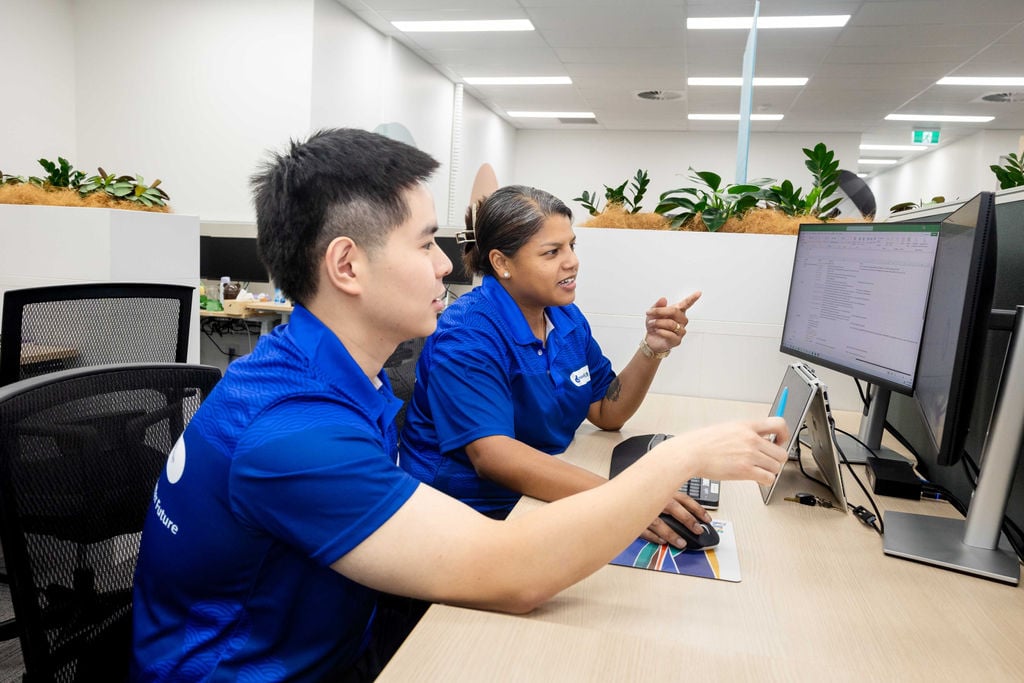
A list of documents, forms and resources for current or potential collaborators to download
ORIGINS is an interventional cohort study, meaning participants receive timely feedback and an action plan to address any potential abnormalities.
Instructions on the various antenatal samples collected by the Origins project and how to collect them.
Get in Touch Dropping off a sample or attending a Kids Check appointment? Visit us at our Edgewater clinic. The Kids Joondalup Shop 51, Joondalup
Get in Touch Dropping off a sample or attending a Kids Check appointment? Visit us at our Edgewater clinic. The Kids Joondalup Shop 51, Joondalup
Information on how to update your details throughout your time with ORIGINS.
Information about ORIGINS Confidentiality Statement.
Community links and support services
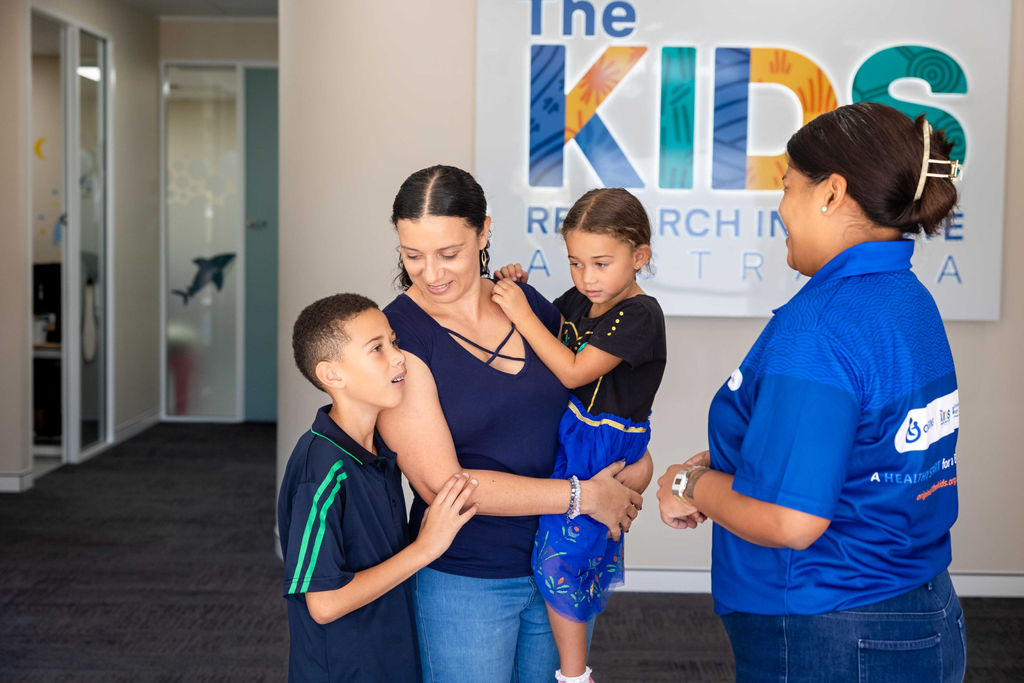
Our participants have the opportunity to join a variety of sub-projects ranging from allergy prevention to improving the mental health of families.