
Search

The Respiratory Environmental Health team conducts research in early life determinants of lung growth and development, respiratory environmental health, and mechanisms of airway dysfunction in asthma and other respiratory disease.
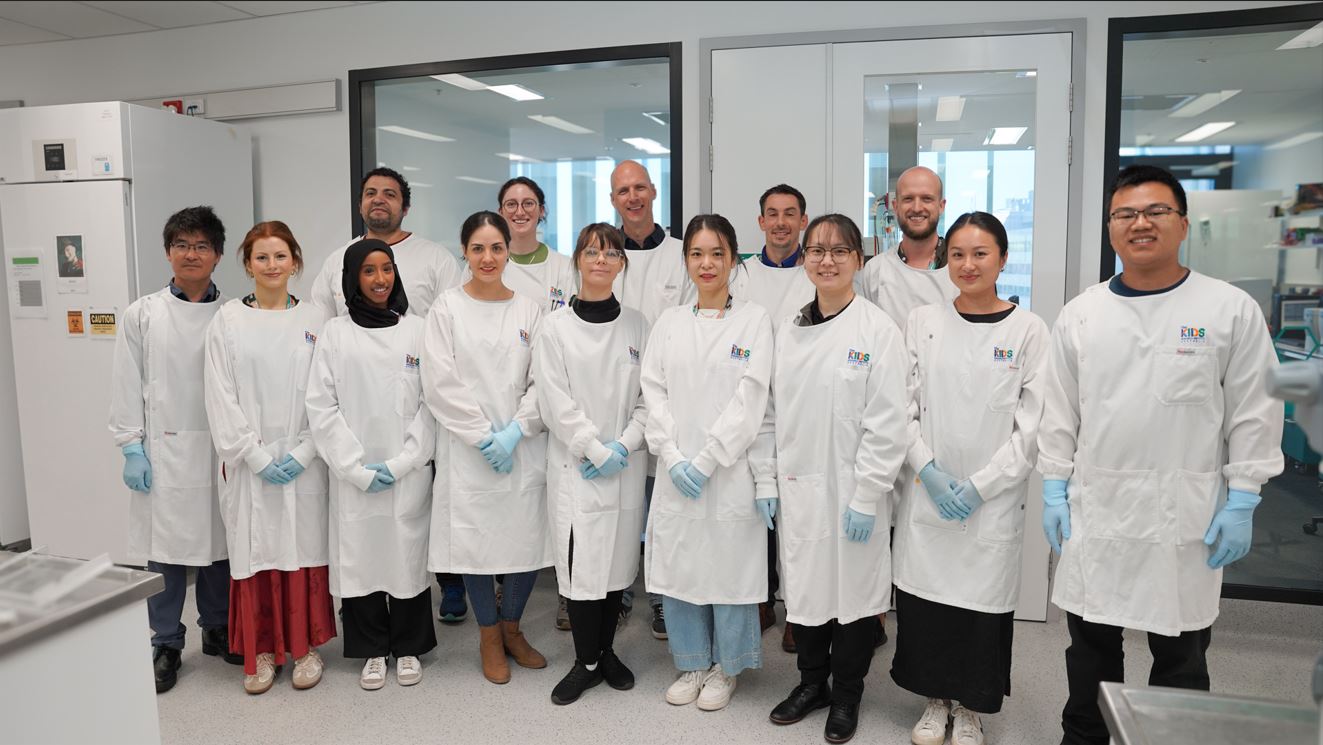
We aim to discover and develop safer and more effective treatments by doing inventive and rigorous research to improve outcomes for kids with cancer.
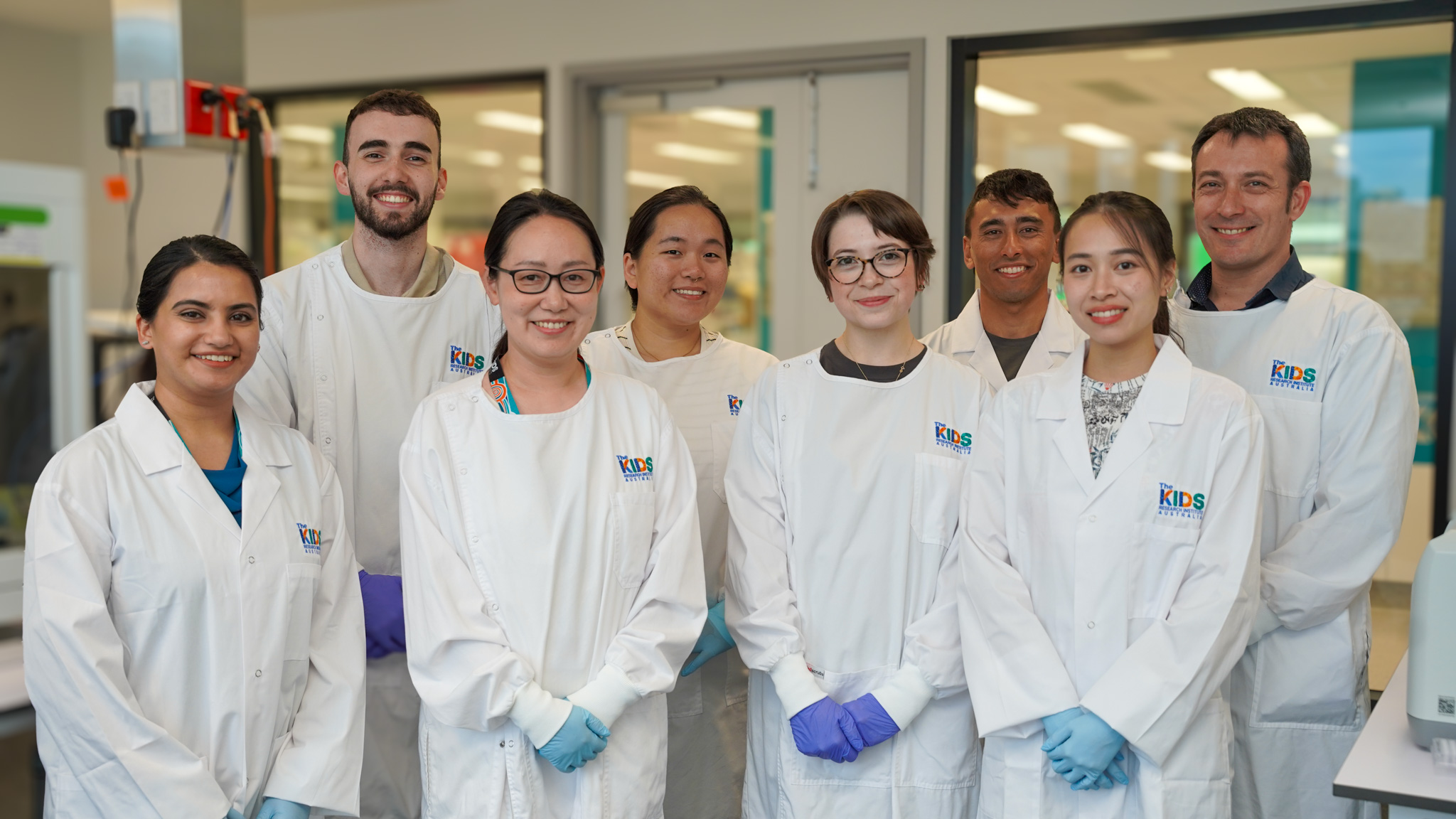
The Translational Genomics in Leukaemia team is focused on identifying the causes of leukaemia, with the goal of developing new targeted treatments to improve quality of care and long-term survival for all children with leukaemia.

Our Child Health Analytics Team uses cutting-edge technologies to better understand how and why the health and wellbeing of children varies from place to place. We develop innovative geospatial methods that can harness large, complex datasets to pinpoint hotspots of elevated risk, evaluate change through time, and explore underlying drivers.
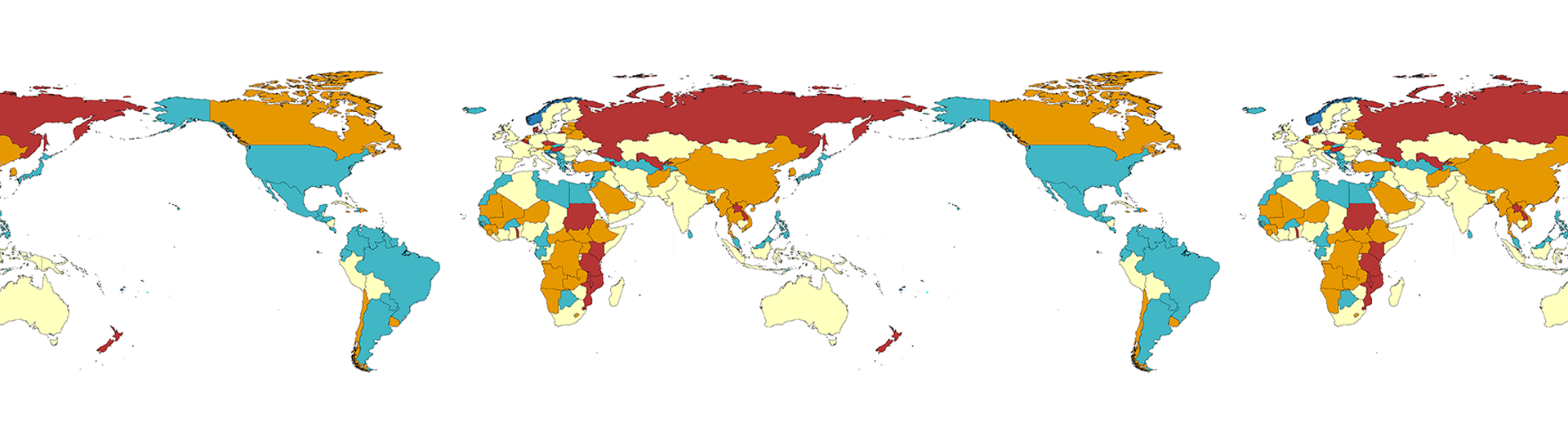
The Geospatial and Tuberculosis (GeoTB) team led by Kefyalew Alene focuses on designing an innovative approach for improving the efficiency and effectiveness of public health interventions to help control and ultimately eliminate tuberculosis in high-burden countries.
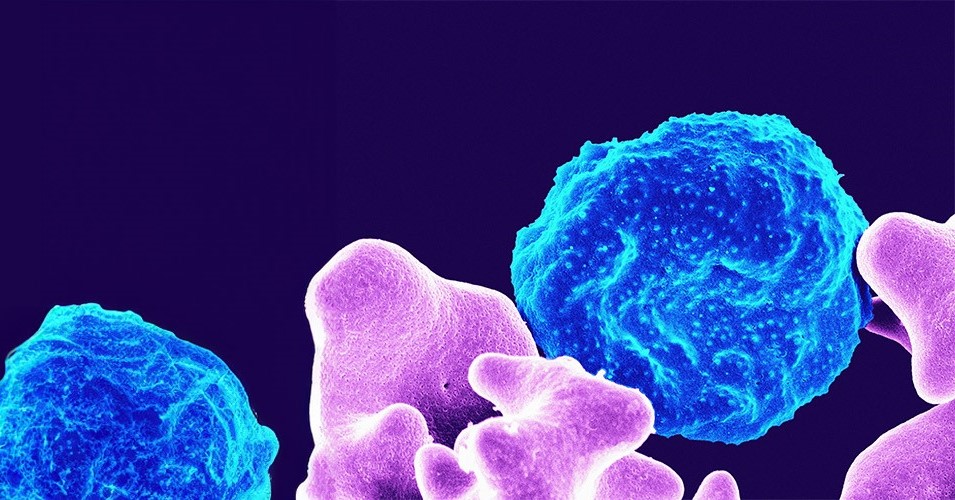
We help shape how the world responds to infectious diseases: guiding vaccine and treatment development, and advising on public health measures to control and eliminate disease. Our mathematical models capture how diseases spread, how severe infections are, and how childhood exposure shapes health across a lifetime.
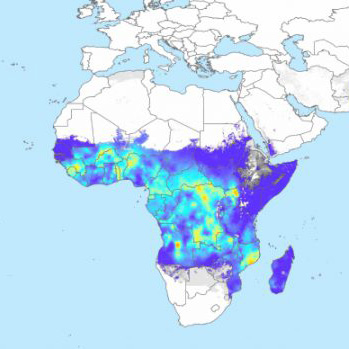
The Infectious Disease Ecology and Modelling team led by Professor Nick Golding, combines mathematical and statistical modelling, ecology, and public health to address malaria and other infectious and vector-borne diseases. The team uses modelling and maps to measure the risk posed by some of the world’s most important and neglected diseases – including malaria, Japanese Encephalitis and COVID-19 – and provide rapid modelling analyses to policy makers.
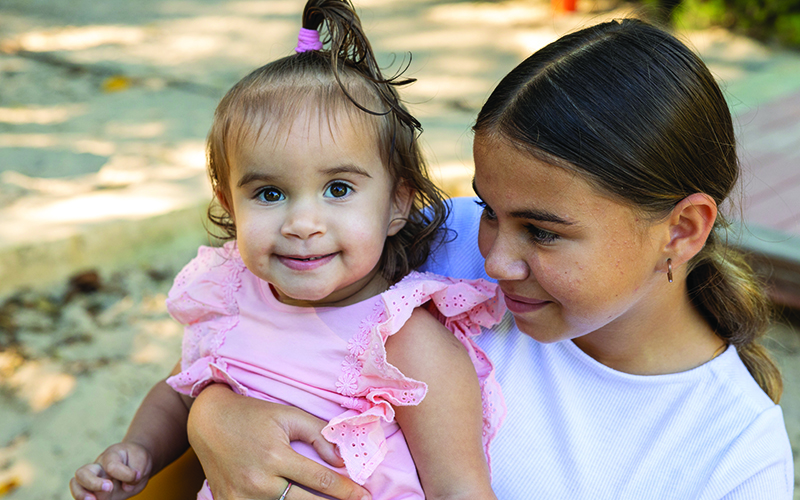
The Penicillin Team are working to accelerate research and clinical trials to improve penicillin formulation and treatment methods, to end RHD.
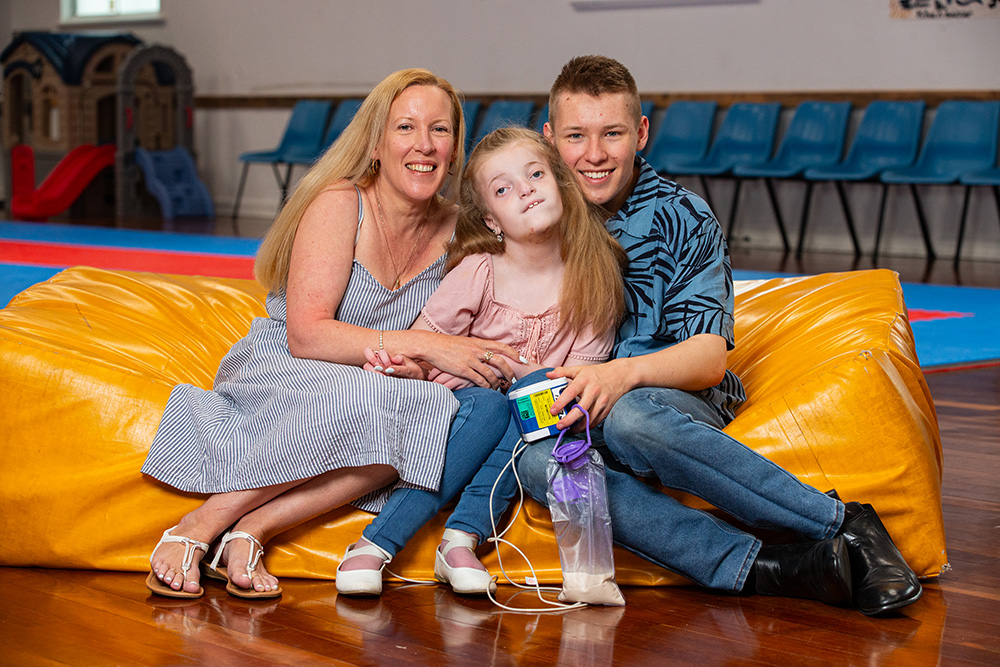
Uses personalised approaches to healthcare, aiming to tailor prevention and treatment strategies based on genetic, environmental, and lifestyle factors. This theme strives to make healthcare more targeted and effective for each child's unique needs.

Mitochondrial diseases are devastating disorders for which there are no cures or effective treatments. Our project will focus on the prevention of mitochondrial diseases and discovery of effective cures.