Search
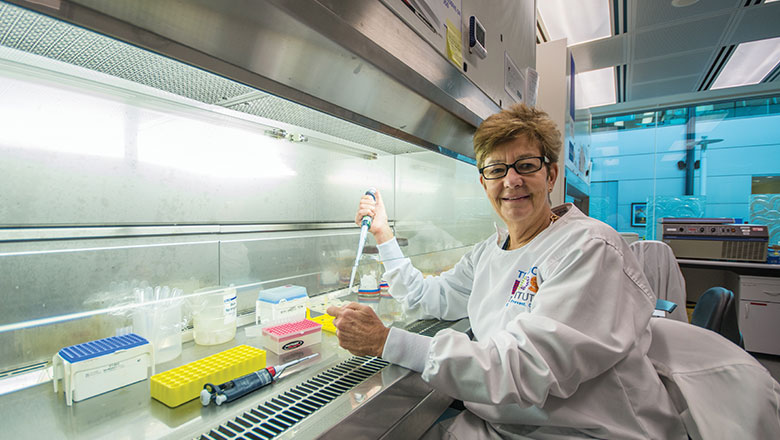
In Australia, cancer medicine is increasingly guided by our expanding knowledge of cancer genomics (the study of genetic information) and biology. Personalized treatments and targets are often defined by an individual’s genetic profile—known as precision cancer medicine. The translation of genomics-guided precision therapeutics from bench to bedside is beginning to produce real clinical benefits for Australians living with cancer.
Dietary patterns characterised by high intakes of vegetables may lower the risk of pre-eclampsia and premature birth in the general population. The effect of dietary patterns in women with type 1 diabetes, who have an increased risk of complications in pregnancy, is not known.
Overweight and obesity in children continues to increase. Yet, the role of active transport, namely walking, in mitigating these trends remains unclear. This study examined the cross-sectional association between walkability and children's Body Mass Index (BMI) and how this varies by socio-economic and lifestyle characteristics.
High-frequency oscillatory ventilation (HFOV) is an established mode of respiratory support in the neonatal intensive care unit. Large clinical trial data is based on first intention use in preterm infants with acute respiratory distress syndrome. Clinical practice has evolved from this narrow population. HFOV is most often reserved for term and preterm infants with severe, and often complex, respiratory failure not responding to conventional modalities of respiratory support.
Due to an advanced understanding of cancer biology and the rapid development of genomic technologies, cancer has shifted from 200 diseases based on pathology (i.e., what a tumor looks like under the microscope) to thousands of diseases based on molecular tumor profiles (i.e., what a tumor looks like when its altered genome is interrogated). Most cancers arise from alterations to the genome, including changes in the number or structure of chromosomes and variations in a single building block of the genetic code.
Community Elders in Boorloo (Perth) identified early childhood education (ECE) as a priority area for Aboriginal children’s research. This is due to a lower number of Aboriginal children attending ECE programs compared to non-Aboriginal children. Attending ECE programs sets children up for school success and is an indicator for positive life outcomes in later life. Therefore, we sought to co-design and implement a program that encourages Aboriginal children and families to attend ECE programs, known as Moort Dandjoo Kaadadjiny.
Campylobacter jejuni plays a significant role in human health, food production, and veterinary practice. Biofilm formation is a likely mechanism explaining the survival of C. jejuni in seemingly unfavourable environments, but the underlying mechanisms are poorly understood. We propose a mathematical model to unify various observations regarding C. jejuni biofilm formation.
Although many mothers initiate breastfeeding, supplementation with human-milk substitutes (formula) during the birth hospitalization is common and has been associated with early breastfeeding cessation. Colostrum hand expressed in the last few weeks before birth, known as antenatal colostrum expression (ACE), can be used instead of human-milk substitutes. However, evidence is lacking on the efficacy of ACE on breastfeeding outcomes and in non-diabetic mothers.
Dissociative symptoms are linked to experiences of trauma, often originating in childhood and adolescence. Dissociative disorders are associated with a high burden of illness and a poor quality of life. Despite evidence suggesting that early intervention can improve outcomes, little research exists on the treatment of dissociative disorders in childhood and adolescence.
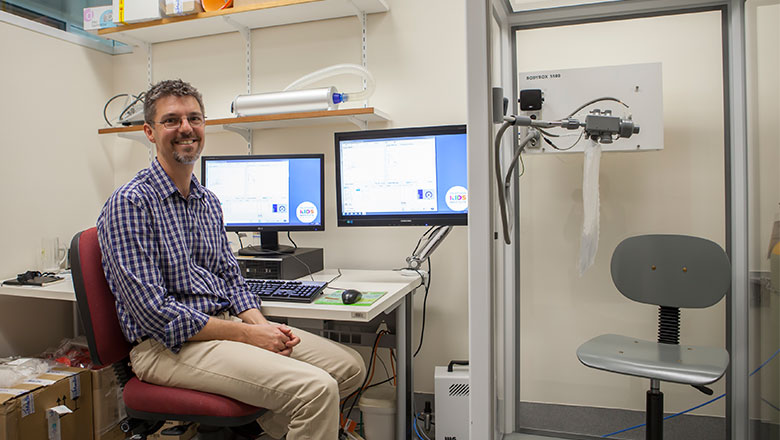
Neuromuscular disorders can lead to nocturnal hypoventilation. Accurate diagnosis of hypoventilation is imperative to guide treatment decisions. This study determined interobserver agreement for a number of definitions of nocturnal hypoventilation in children and adolescents with neuromuscular disorders.