
Search
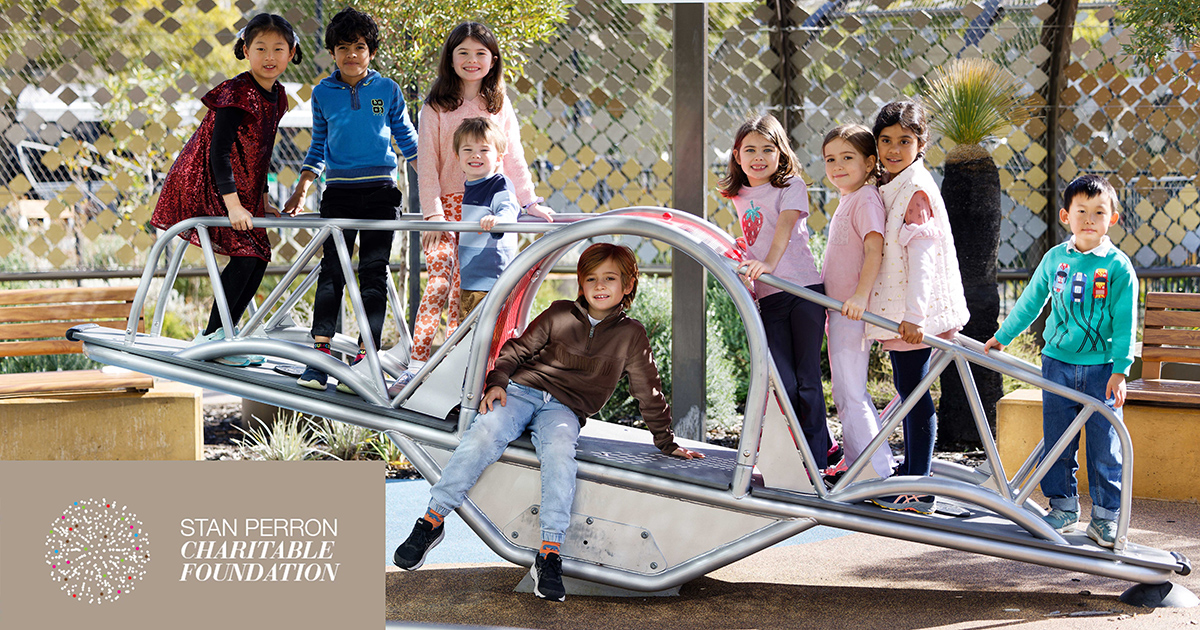
Eleven researchers from The Kids Research Institute Australia will benefit from the latest round of Stan Perron Charitable Foundation Research Fellowship and Platform grants, with two researchers receiving prestigious Perron Platform grants and a further ten awarded Research Fellowships.
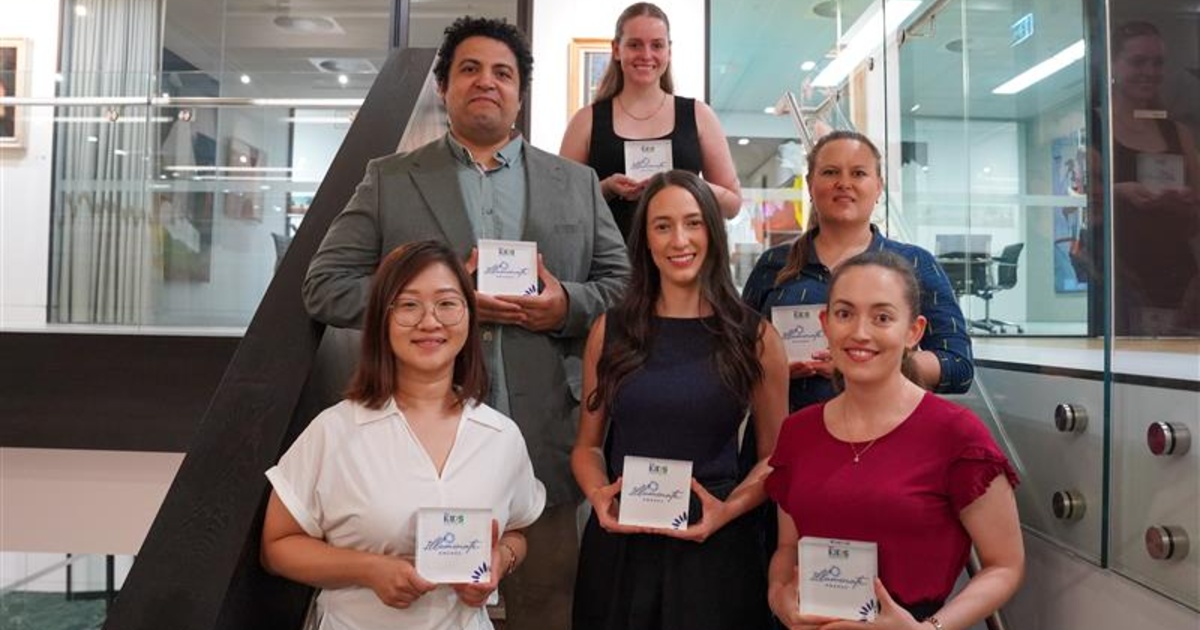
Ten emerging researchers took to the stage for our fourth Illuminate PitchFest, where community support helped push the total raised for Illuminate Awards past $1 million.
Rising carbon dioxide levels are being detected within the human body, with new research warning a key blood marker for the gas could near its healthy limit within decades if current trends continue.
In 2026, Rare Disease Day is recognised on 28 February to raise awareness and generate change for people living with rare disease, their families and carers worldwide. This year’s global theme, More than you can imagine, highlights the immense impact of rare disease on families across the world.
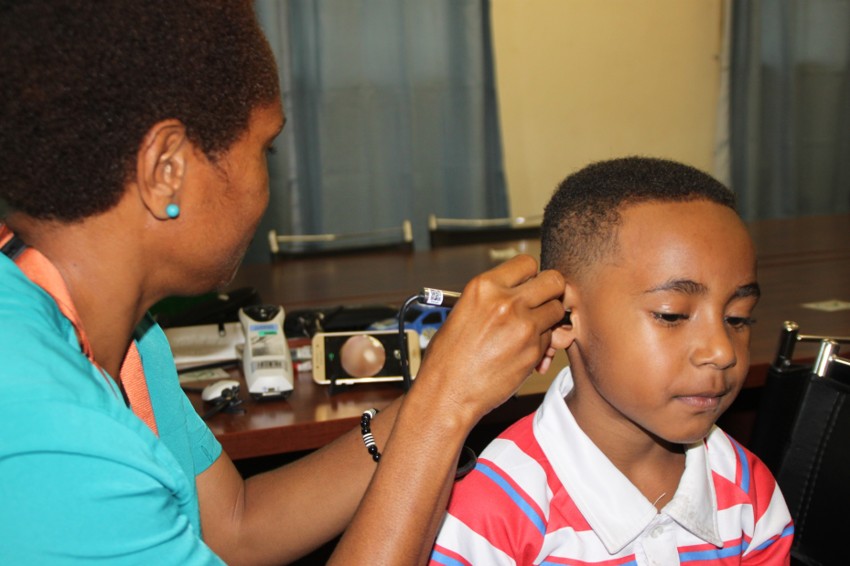
The first ever comprehensive study to estimate the prevalence of otitis media (OM) in Papua New Guinea (PNG) has revealed some of the world’s highest rates of childhood middle ear disease.
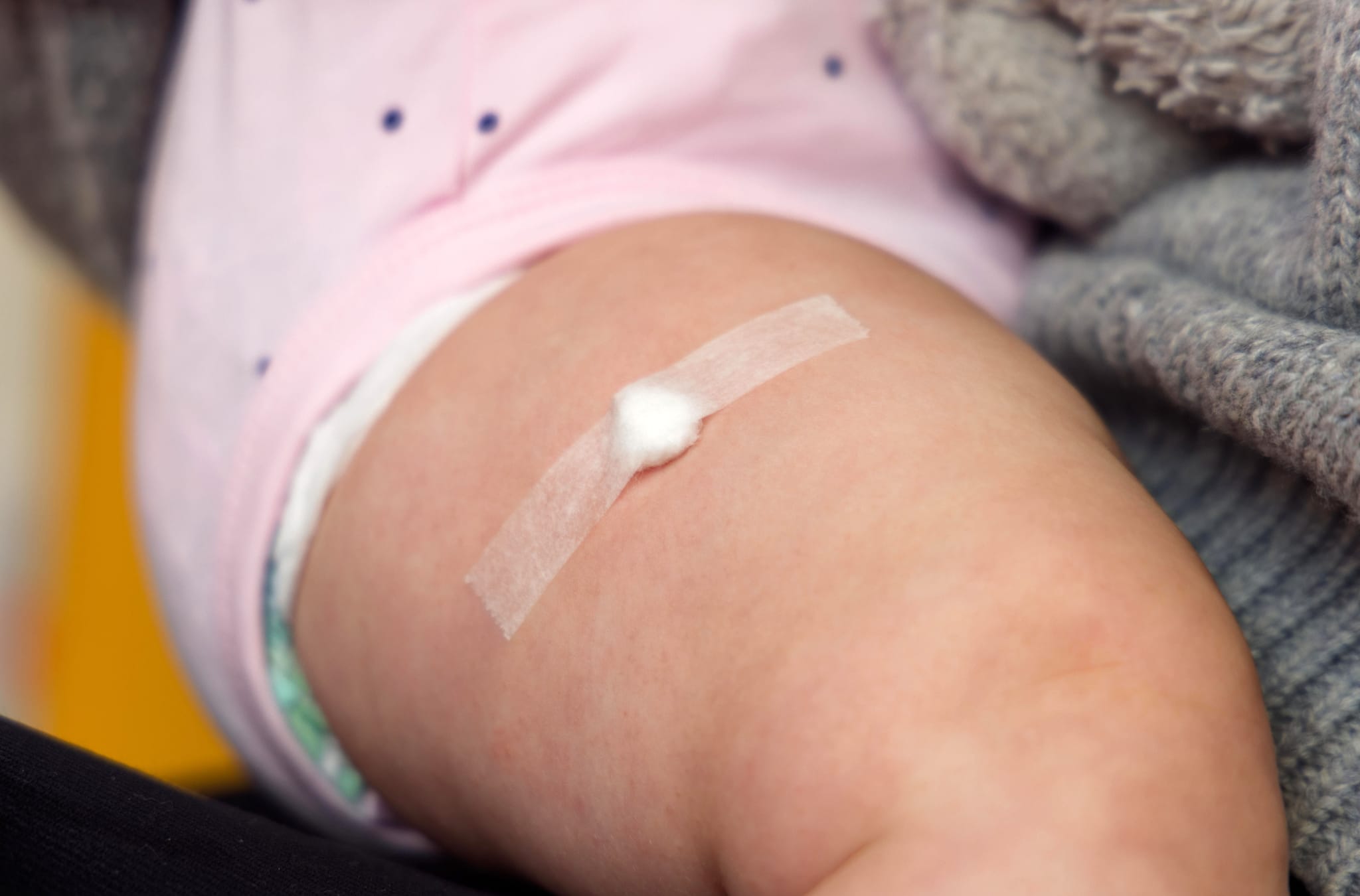
10,000 families participating in research by The Kids Research Institute Australia have demonstrated the effectiveness of a simple text message for increasing the number of children receiving their vaccinations on time.
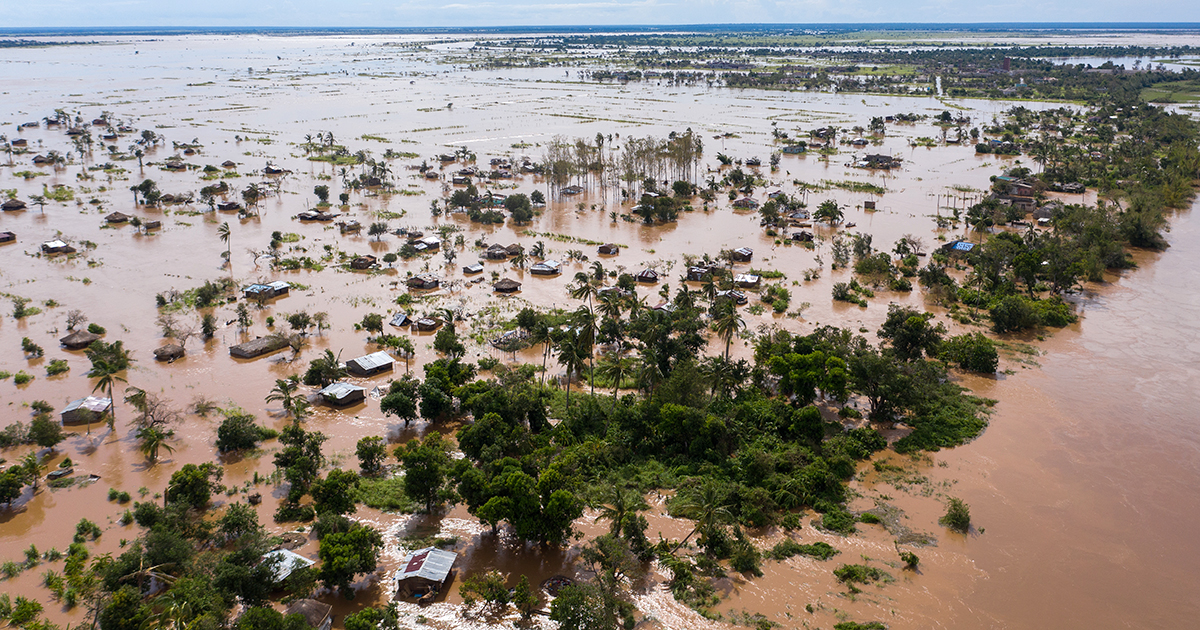
World-first research from The Kids Research Institute Australia and Curtin University predicts climate change could trigger more than 100 million additional malaria cases and 500,000 additional deaths in Africa by 2050, including substantial impacts on children.
Culturally and linguistically diverse (CALD) communities experiencing the ongoing impacts of long COVID are set to benefit from a major new $2 million research project backed by the Federal Government’s Medical Research Future Fund.
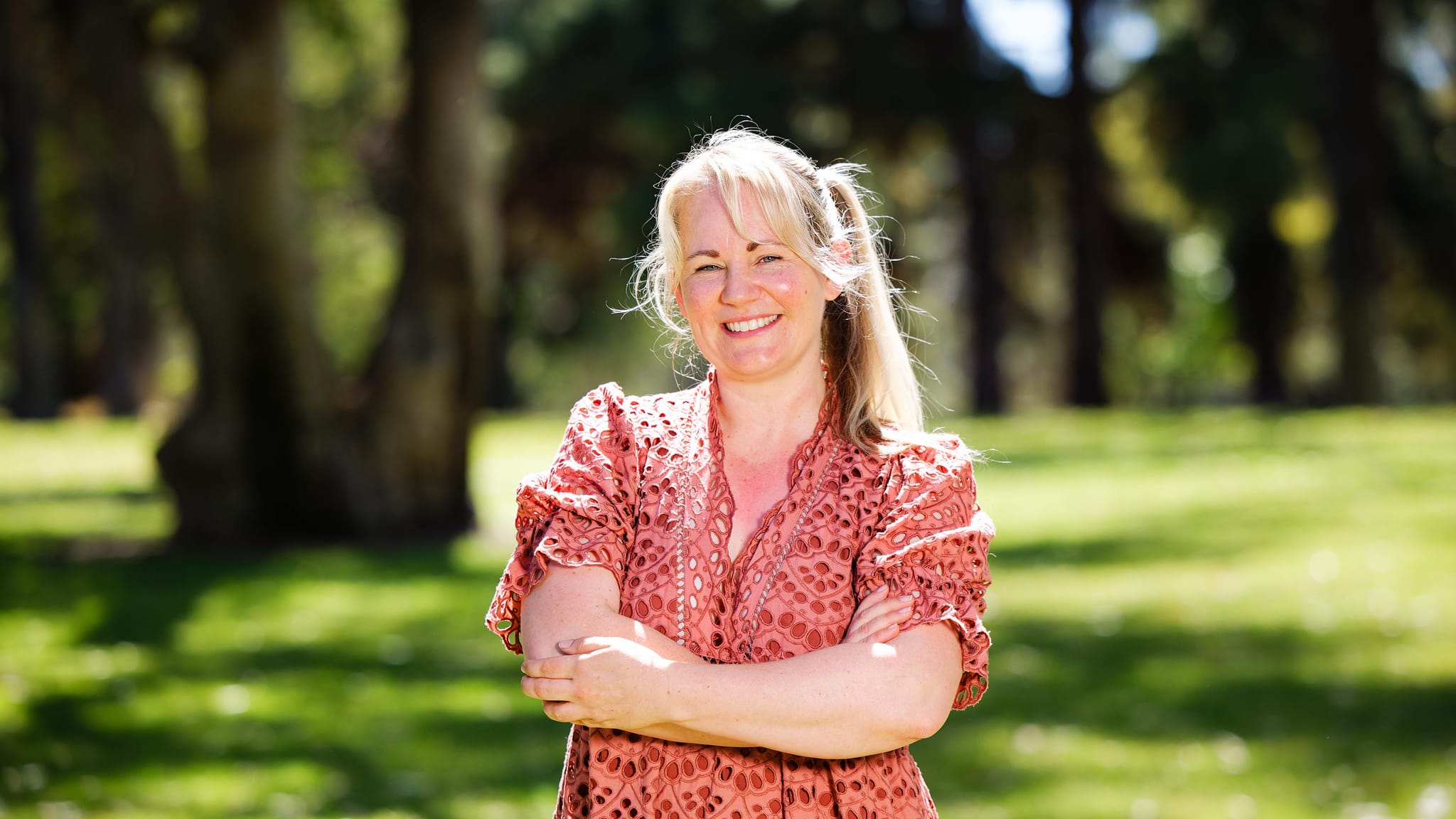
Innovative research aiming to prevent the spread of Strep A using ‘friendly’ bacteria in the throat has received a $1.5 million boost in the latest round of National Health and Medical Research Council grants.
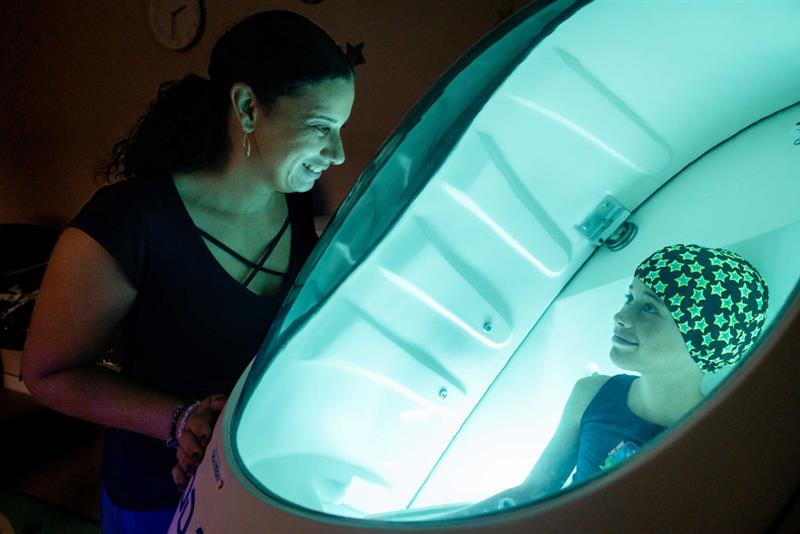
ORIGINS, the largest longitudinal cohort study of its kind in Australia, delivered in partnership between The Kids Research Institute Australia and Joondalup Health Campus, has received $1.5 million funding from the Minderoo Foundation.