
Search
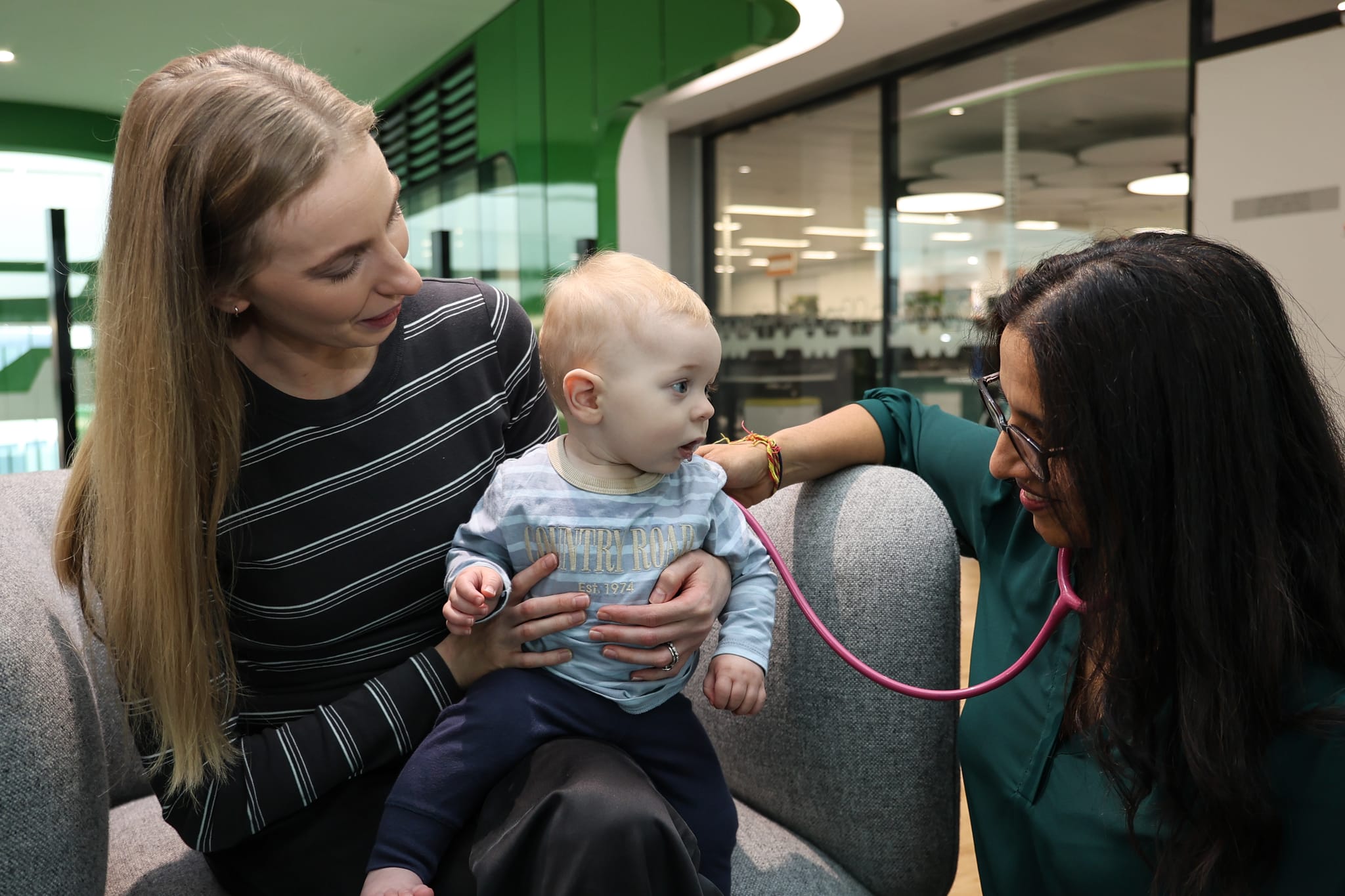
Australia’s new respiratory syncytial virus (RSV) immunisation program cut hospital admissions for Australia’s youngest babies by almost half in its first year, a new major national study has shown.
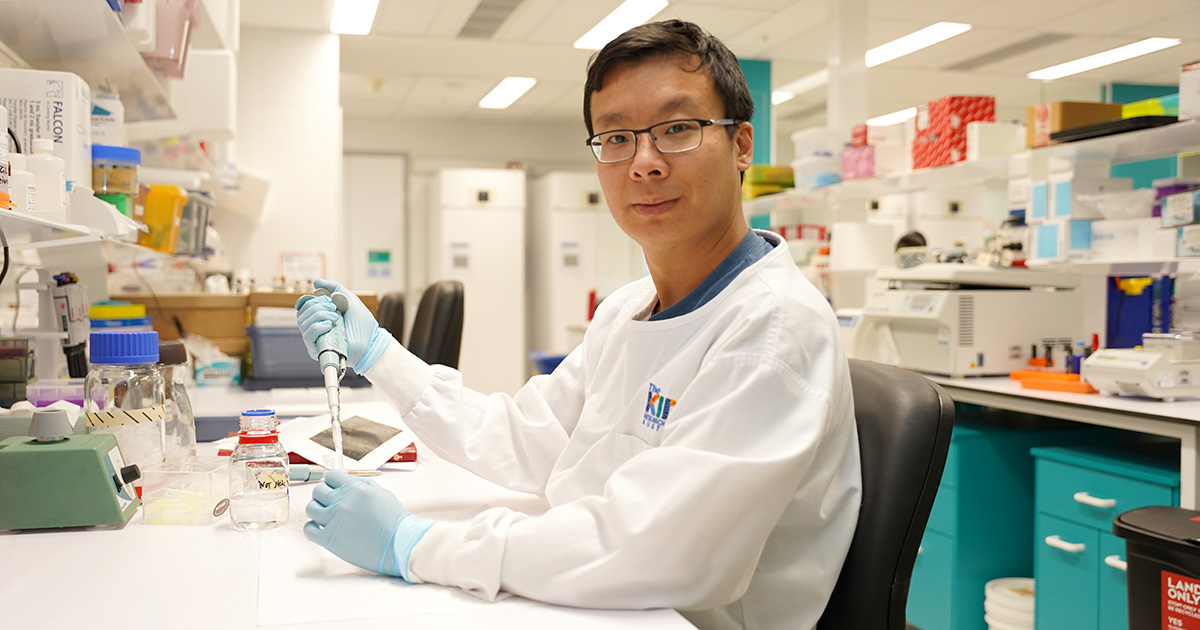
Preclinical research from the WA Comprehensive Kids Cancer Centre has revealed a promising new strategy to protect bone health in children with high-risk B-cell acute lymphoblastic leukaemia (B-ALL), showing that actively rebuilding bone may deliver faster and more effective protection against debilitating fractur

The Kids Research Institute Australia strongly endorses the updated framework, which reinforces the essential role consumers and communities play in shaping better research outcomes.
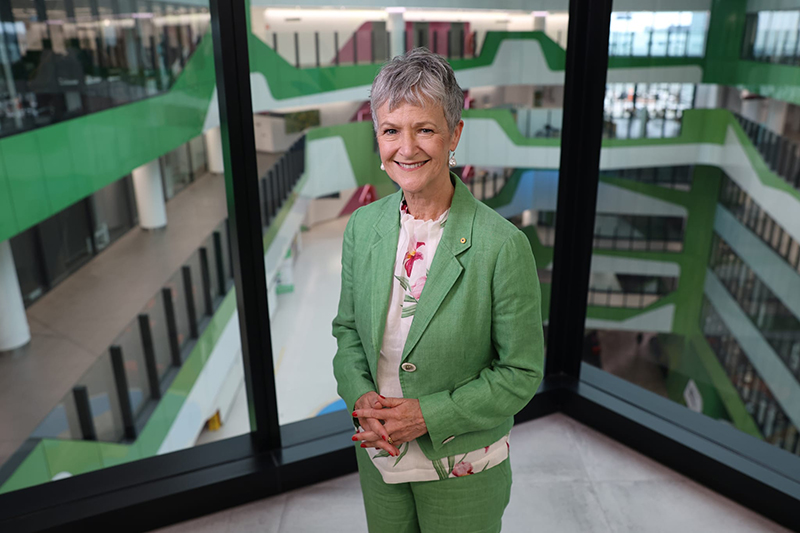
Professor Caroline Homer AO - a globally recognised leader in maternal and child health, with an international career that spans clinical care, academic research, policy influence and senior leadership - has been named The Kids Research Institute Australia’s third Executive Director.

Recently, researchers from The Kids Research Institute Australia, Perth Children’s Hospital and The University of Western Australia contributed to three major international publications, collectively reinforcing rare diseases as a critical, community-wide health priority.
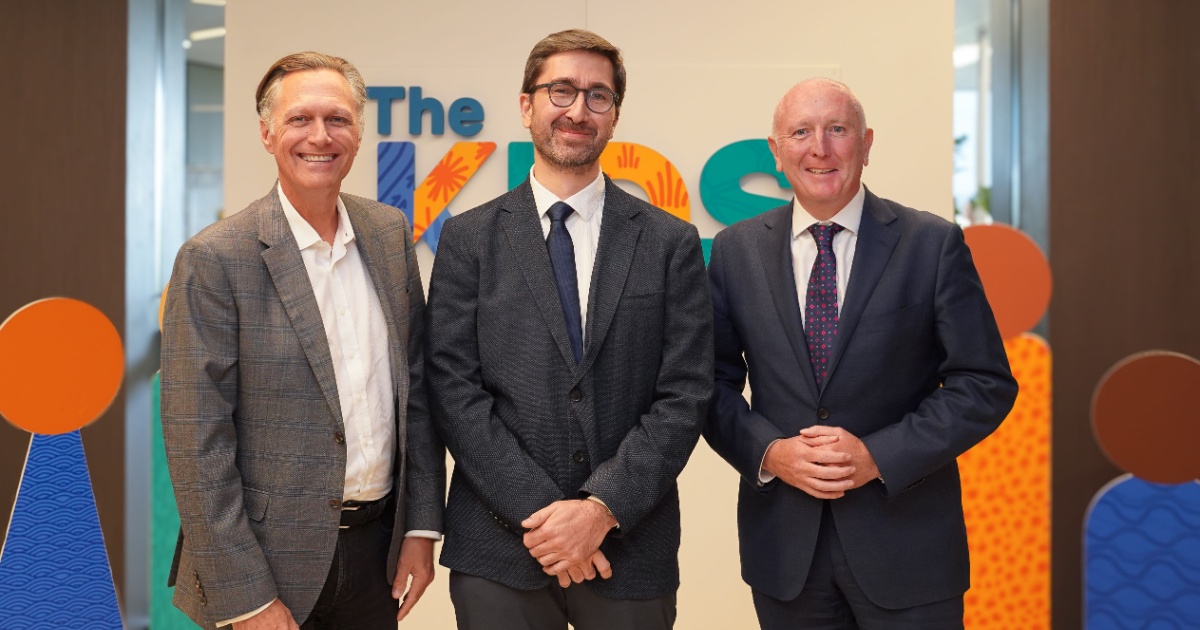
A leading autism scientist has relocated to Perth to take up a new appointment at The Kids Research Institute Australia, thanks to a program designed to attract world-class health researchers to Western Australia.
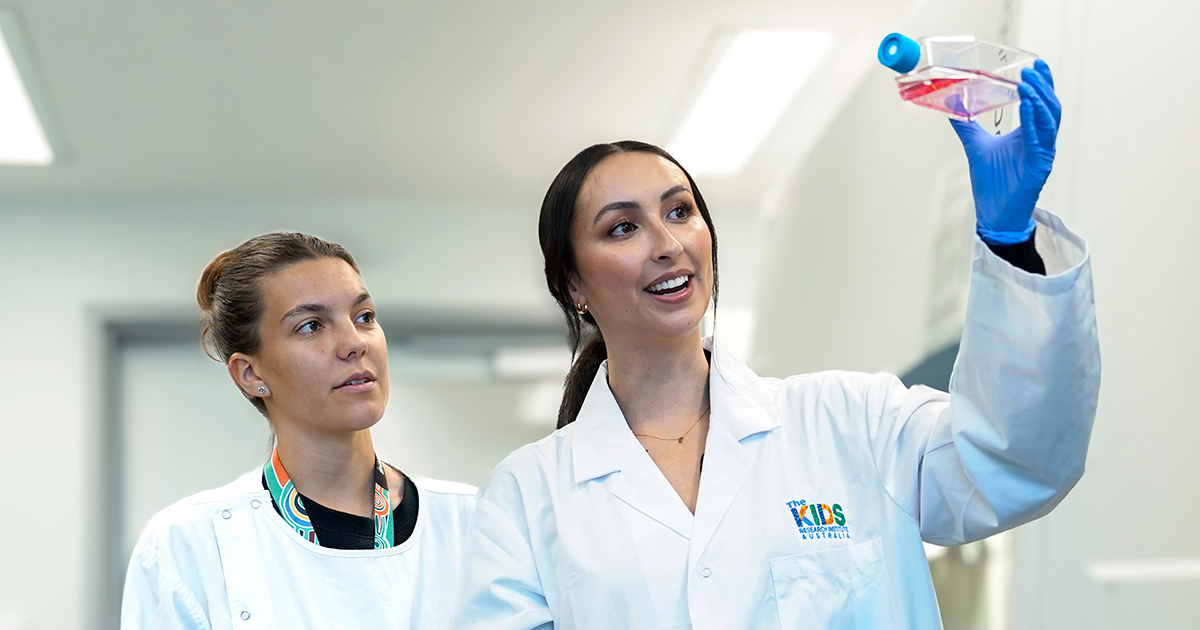
At The Kids Research Institute Australia, our researchers are working to shift that balance through evidence-based research that supports the health, safety and wellbeing of girls, young women and women at every stage of life.
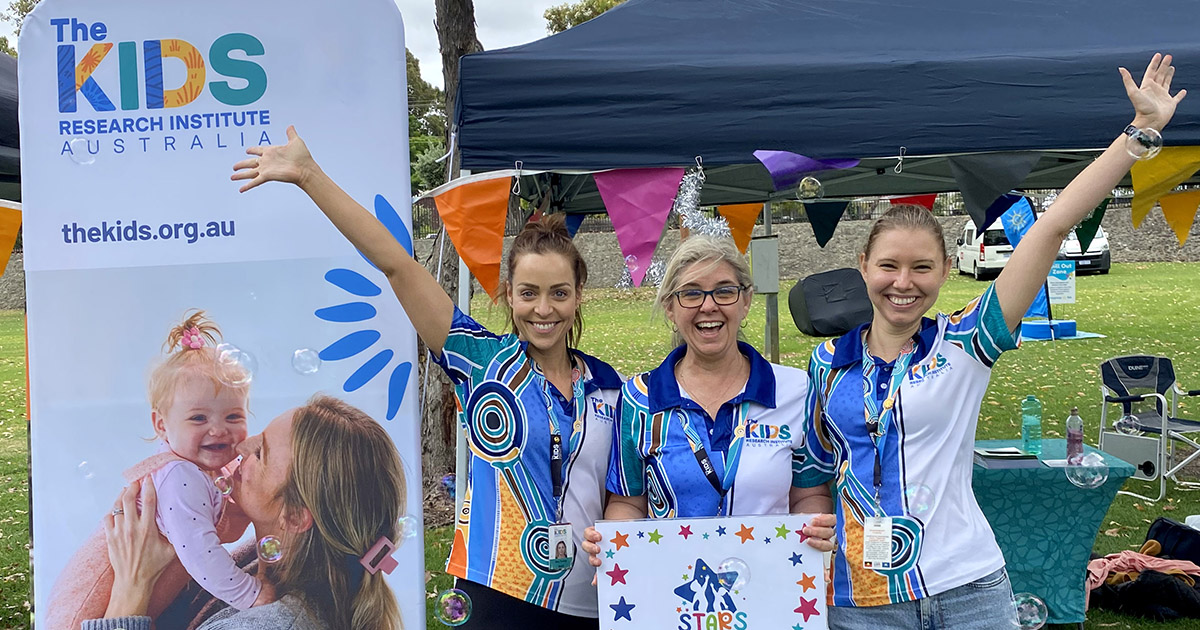
STARS for Kids, a sub-project of ORIGINS, received a three-year grant to advance the development of a scalable, online, tiered model of care to better support disadvantaged communities, where 20-25 per cent of children are entering school developmentally vulnerable.

The Wal-yan Respiratory Research Centre is thrilled to see three researchers awarded prestigious Medical Research Future Fund (MRFF) Chronic Respiratory Conditions grants to improve lung health in children.
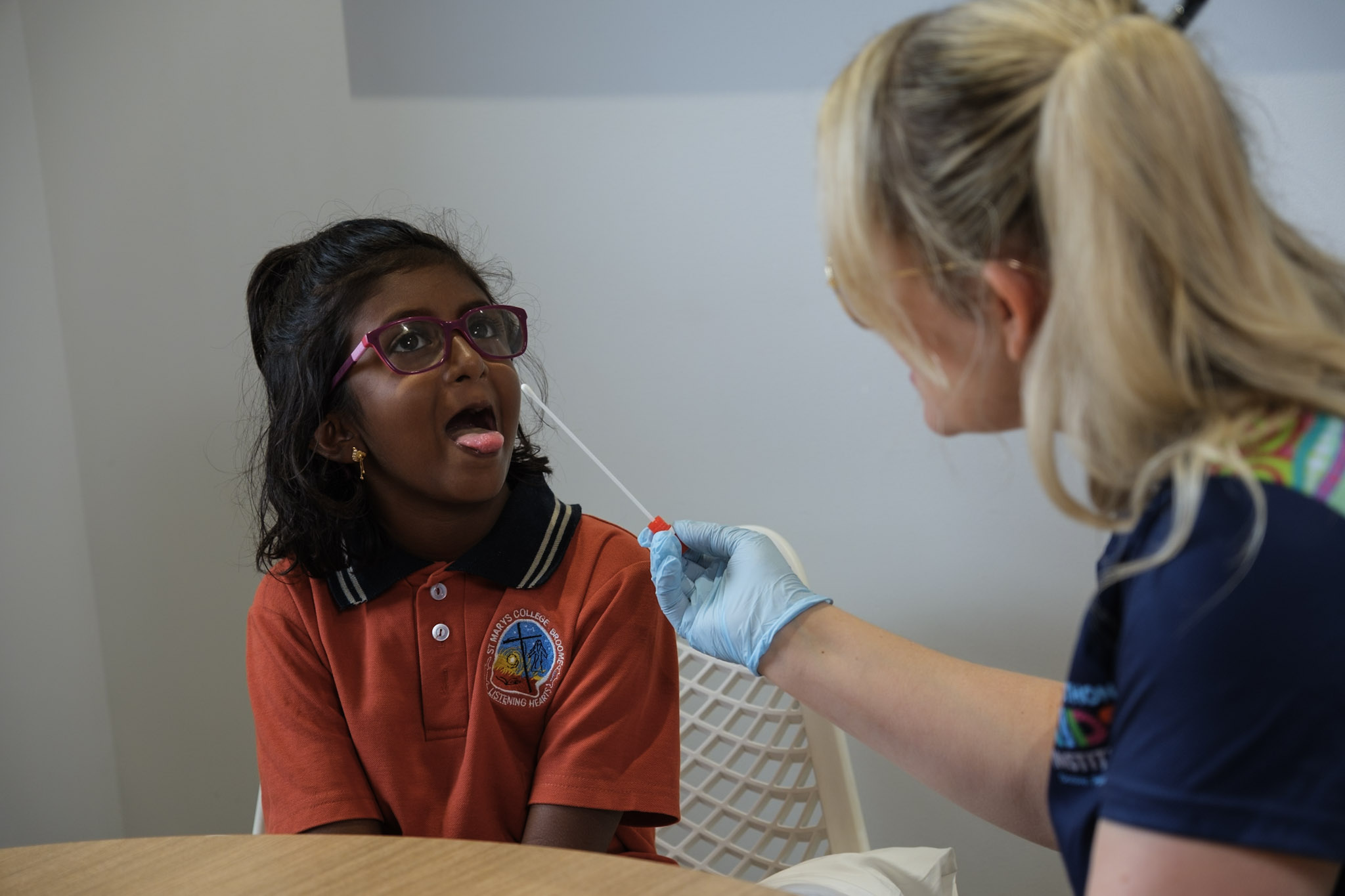
An alarming number of Strep A infections are going unnoticed throughout classrooms in Broome and Derby according to a major study by The Kids Research Institute Australia aiming to reduce the burden of acute rheumatic fever (ARF) and rheumatic heart disease (RHD).