
Search
This study investigated the nature and prevalence of atypical pain responses in Rett syndrome and their relationships with specific MECP2 mutations.
How Influenza outbreaks during mass gatherings have been rarely described, and detailed virologic assessment is lacking.
This article demonstrates the credibility and rigor of yarning, an Indigenous cultural form of conversation, through its use as a data gathering tool
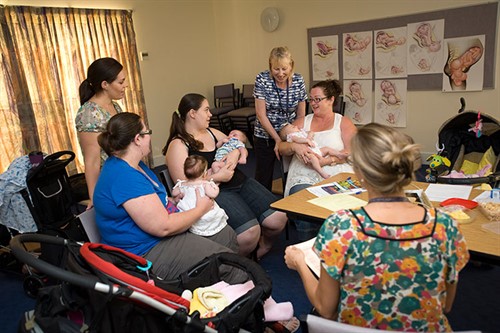
Rockingham women are being urged to take part in a program trial aimed at guiding and supporting mums-to-be through a safe and healthy pregnancy.
Using medical and other data from private citizens without obtaining the consent of those citizens has been a taboo of statisticians and of society
Research has identified a critical genetic risk factor for a potentially fatal parasitic disease that affects up to 400 thousand people a year, mostly children.
This paper reports on how the summit was designed and on some of the ideas and concerns that emerged within this dialogical space of cooperative inquiry.
There is increasing evidence that the functional state of the immune system at birth is predictive of the kinetics of immune maturation in early infancy.
To assess whether lung volume and ventilation inhomogeneity in preterm infants at 15-18 months corrected age
Over the past decade we have seen declining rates in child engagement in physical activity with escalating health problems ensuing.
While young people have generally been at the forefront of the adoption and use of new communications technologies, little is known of uses by exceptional youth
This study aimed to compare the phenotype of Rett syndrome cases with C-terminal deletions to that of cases with different MECP2 mutations