
Search

A co-designed digital tool to address anxiety concerns for children on the autism spectrum is set to be developed and trialled in Western Australia.

Congratulations to Associate Professor Asha Bowen, who has been awarded the 2022 Frank Fenner Award for Advanced Research in Infectious Diseases.

New collaborative research involving almost 600,000 pregnant mothers has demonstrated a dramatic increase in uptake of the whooping cough (pertussis) vaccine after identifying just 22 per cent of WA women had the maternal vaccination between 2012 – 2017.

Children with aggressive brain cancers could soon have access to a significant new treatment option, using a unique antibody that stops cancer cells from repairing themselves.

Promising results from an Australian-led clinical trial could drastically change the way we care for young children with cystic fibrosis (CF).

Prof Jonathan Carapetis has been elected as a new Fellow of the prestigious Australian Academy of Science in recognition of his pioneering, paradigm-shifting expertise in infectious diseases.

Not only are cooked eggs perfectly safe to eat during pregnancy, they are also a great way to boost nutrient intake for both mums and bubs.

Researchers exploring the potential health benefits of pets have found children who regularly walk and play with a family dog are more active, have less screen time, and sleep more.

Thousands of children born in Papua New Guinea (PNG) no longer face a future cut short by severe pneumonia, thanks to the introduction of pneumococcal vaccination as part of the country’s National Immunisation Program.
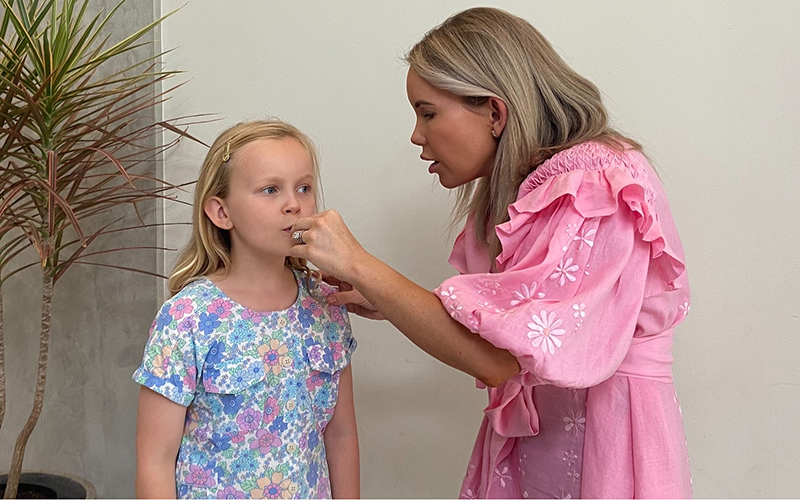
Researchers will be asking random households across metropolitan Perth to undertake COVID tests to reveal how much undetected infection is in the community.