
Search
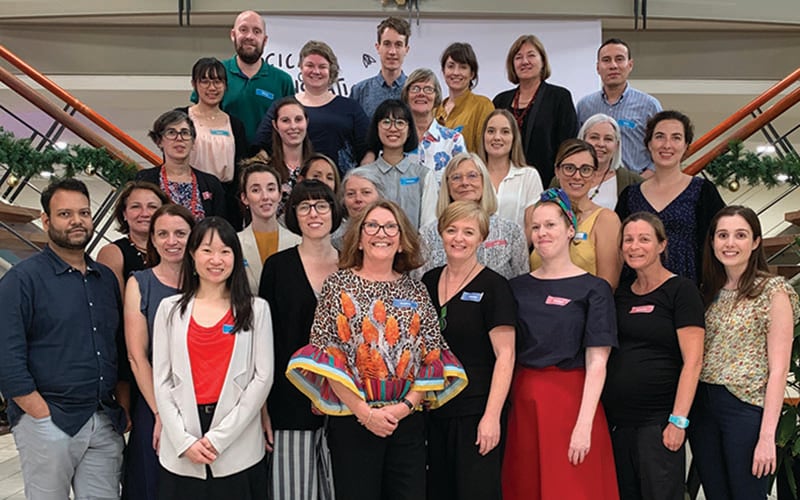
The FASD Research Australia Centre of Research Excellence (CRE) has substantially built the evidence base around FASD and had a significant impact on advocacy, policy and practice.
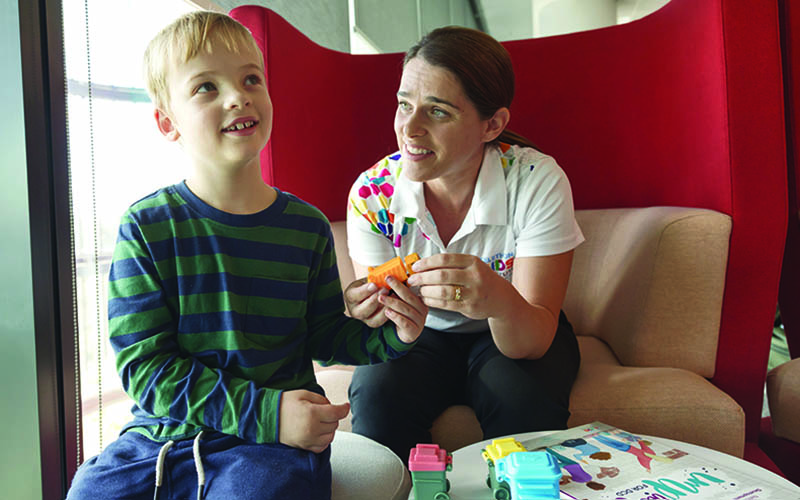
Meet Toby - he has developmental coordination disorder (DCD), a neurodevelopmental condition that causes delays and impairments in fine and gross motor skills.
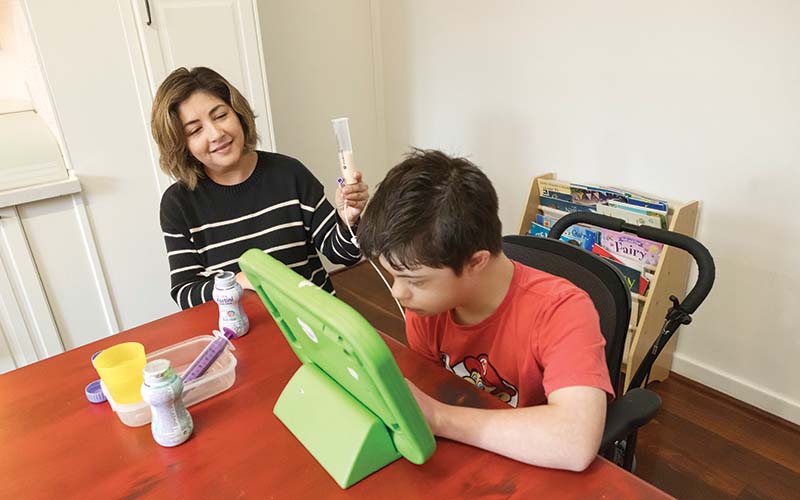
For thousands of children around Australia with intellectual and other disabilities, the process of eating can be traumatic, posing challenges that veer from uncomfortable to life threatening.

Autism researchers at the The Kids Research Institute Australia have found the first evidence that therapy in infancy can reduce the likelihood of a clinical autism diagnosis in early childhood.

A new website for parents of trans children and young people across Australia is expected to improve family wellbeing and ultimately save lives after launching in May 2023.
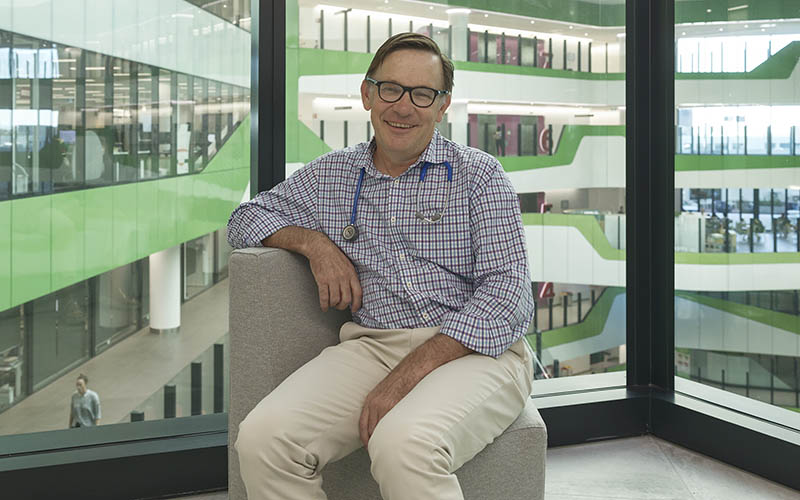
Pneumococcal – a bacterial infection that can cause pneumonia and meningitis – is responsible for 1000s of hospital admissions in Australia each year, many of them children.

The Walkern Katatdjin (Rainbow Knowledge) project has produced a suite of resources to help services become more inclusive.
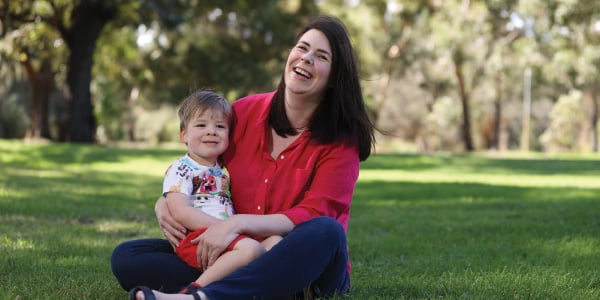
Amy Bertinshaw had a choice between ‘wait and see’ or seek help when she noticed her son Stirling was slower to meet developmental milestones at age 12 months.
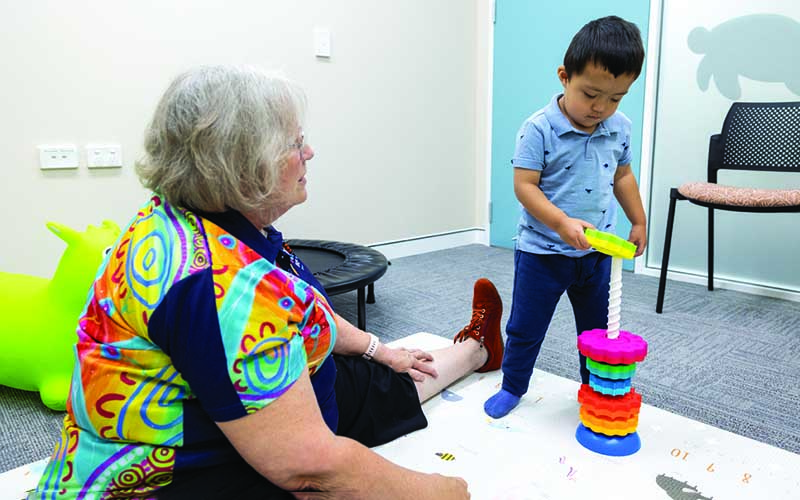
Discover how this family is benefitting from CliniKids' evidence-based therapies.
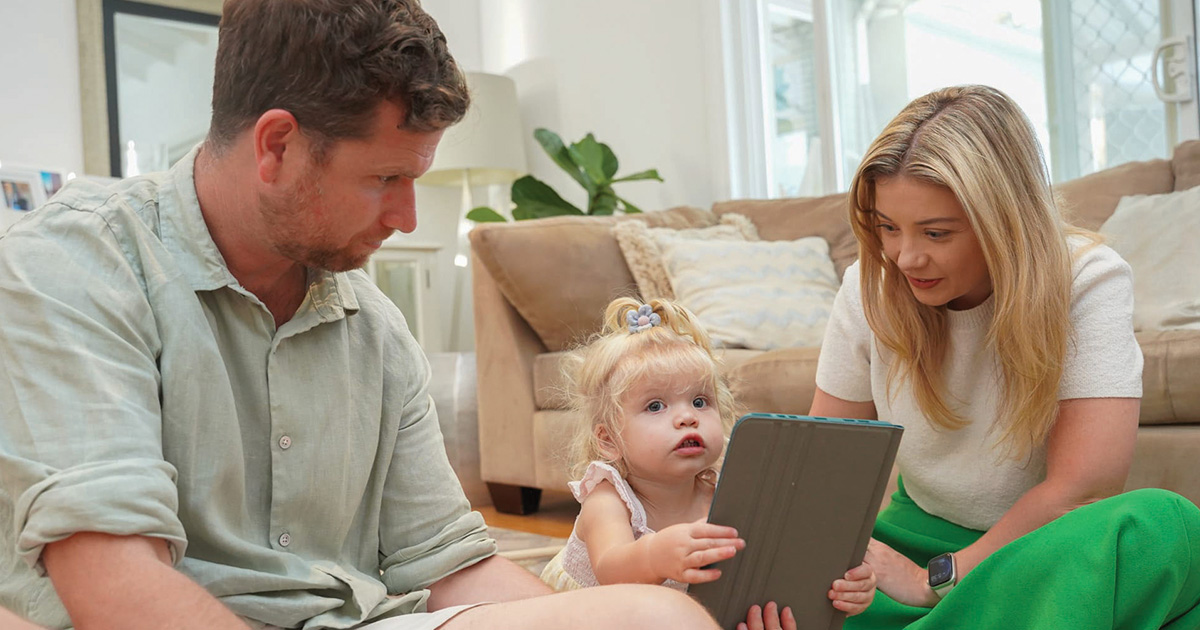
Toddlers exposed to screen time at home are hearing fewer words and making fewer vocalisations, findings from the first longitudinal study to measure the relationship between family screen use and children’s language development have shown.