
Search
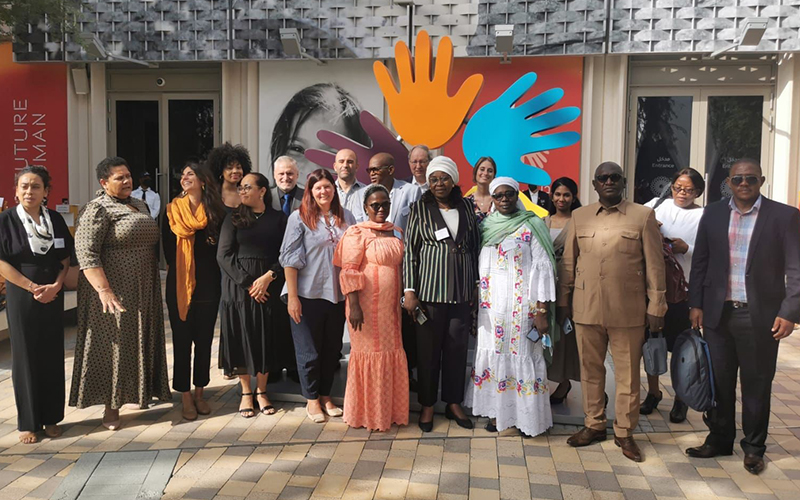
Children around the world could have better access to education thanks to an early childhood development index created for UNESCO by The Kids researcher, Prof Sally Brinkman.
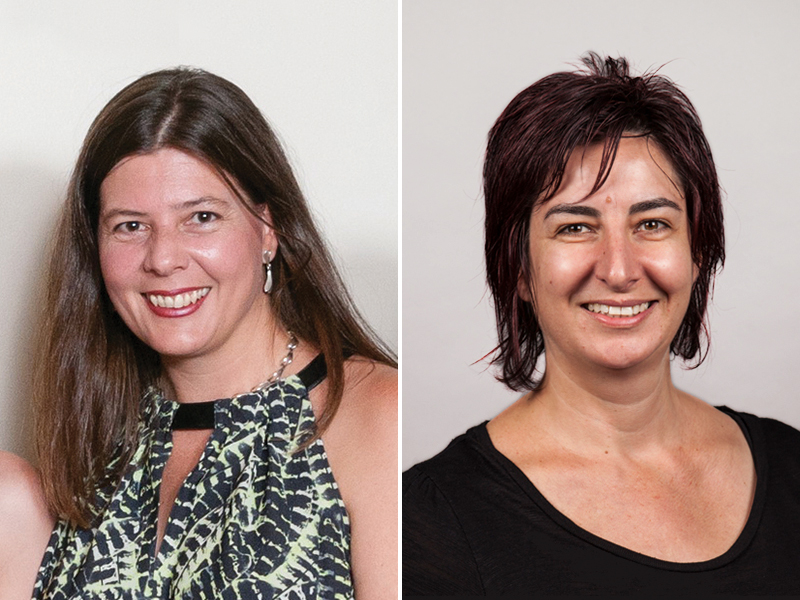
Two leading The Kids Research Institute Australia researchers will use more than $1.1 million in National Health and Medical Research Council funding to improve outcomes for some of the world’s most vulnerable children and young people.
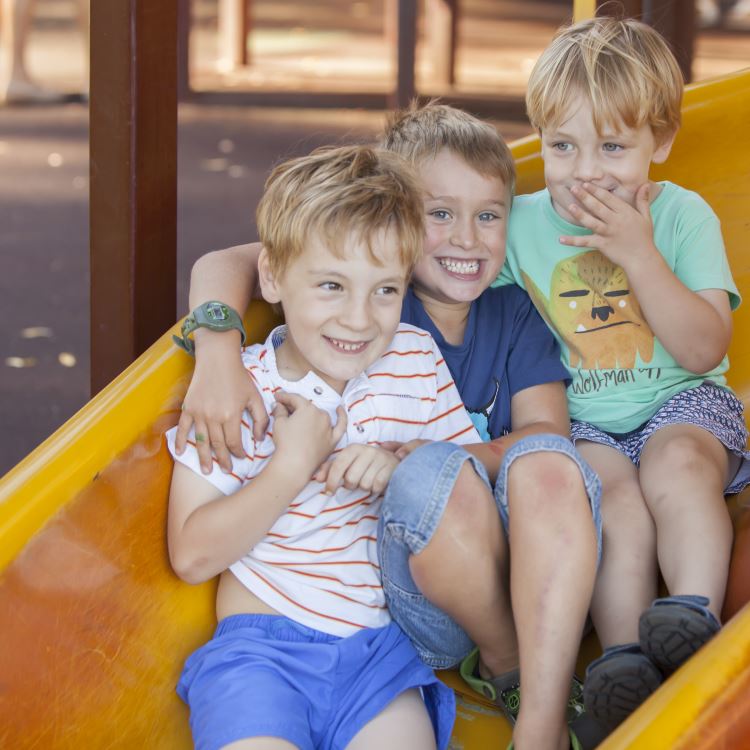
New research by The Kids Research Institute Australia has found children who attend playgroups achieve better early primary school outcomes.
National Playgroup Week, the annual event run by Playgroup Australia, will take place across the country from 20 March to 27 March.
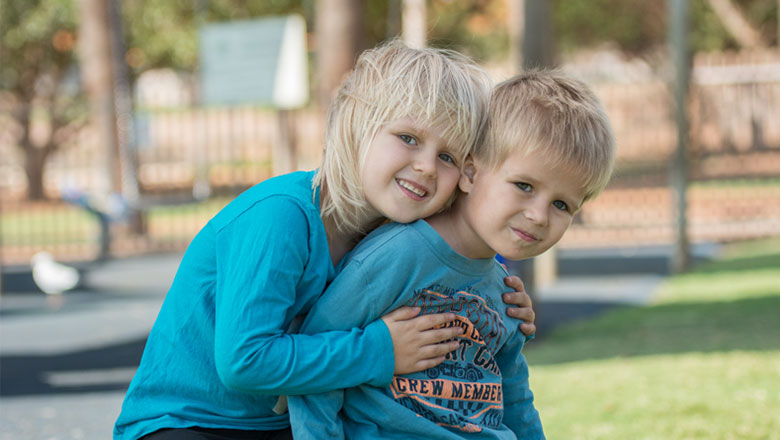
The national report released today from the Australian Early Development Census (AEDC) shows that in 2015, most children in Australia were on track.
Recent evidence indicates that a child’s home learning environment is the strongest predictor of success in later reading abilities and that for children not receiving structured language and reading support at home.
Yasmin Harman-Smith BA, BHlthSc(Hons), MTeach(Primary), PhD Head, Early Years Systems Evidence Yasmin.harman-smith@thekids.org.au Head, Early Years
Evaluating Early Childhood Education and Care
This project provides guidance to help school leaders review the evidence for different programs, as well as a review of universal, evidence-based pre-school and school-based social and emotional learning programs available in Australia.
Principal Research Fellow