
Search
Parents of trans and gender diverse (herein ‘trans’) children experience additional challenges in their parenting role relative to parents of cisgender children. Understanding and enhancing parents’ empowerment is a promising approach to support both parents and children. We aimed to develop an empowerment scale specific to parents of trans children, grounded in parents’ lived experiences.
Parents of children with physical/mental health and/or neurodevelopmental conditions often need to make disclosure decisions for their child. Disclosure can bring benefits (e.g., support) but can also risk harm (e.g., stigma). This systematic review aimed to consolidate research regarding parents' disclosure experiences to better understand how to support parents during this process.
Maternal psychological distress is related to poorer physical and mental health as well as child developmental problems. Interventions that optimise maternal mental health and wellbeing during the "first 1,000 days" of life should have wide-reaching benefits for the mother and her child.
Children and young people with type 1 diabetes (T1D) experience high rates of mental ill health and stress due to the emotional and cognitive energy required to manage their condition. Our team has codesigned Wellbeing T1D, a brief trauma-informed online intervention for adolescents living with T1D. This 5-week intervention will teach skills to promote problem solving, improve emotional regulation and promote helpful thinking and coping.
Lesbian, Gay, Bisexual, Transgender, Intersex, Queer, Asexual/Aromantic (LGBTIQA+) people and other individuals with diverse sexual orientation, sex and/or gender identity experience intimate partner violence (IPV) at higher rates than non-LGBTIQA+ people but often receive inconsistent culturally competent healthcare, which deters help-seeking.
Aboriginal and Torres Strait Islander Peoples share rich cultural traditions unrivalled across the world; however, the continued impact of colonisation led to sustained, profound trauma that has spanned generations. With Aboriginal and Torres Strait Islander people presenting to hospital emergency departments for self-harm and suicidal behaviours at a rate 2.9 times higher than non-Indigenous people, there is a need to develop culturally appropriate interventions to address this growing problem.
There are conflicting suggestions concerning the developmental trend of trust beliefs during middle childhood. Across three studies, the current research developed a brief measure of child general trust beliefs, as well as child measures of trust in peers and online, and examined age-related differences in these beliefs.
The capacity for children to self-regulate is an important developmental task of early childhood, with caregivers playing an integral role in self-regulation development. While caregivers' emotions and behaviors are known to impact child self-regulatory capacity, the impact of child self-regulation difficulties on parents is less understood.
Physical constraints of small apartment kitchens and the influence of the surrounding community food environment may impact food practices of apartment residents. Social media portrayal of these features may influence public perception of apartment living.
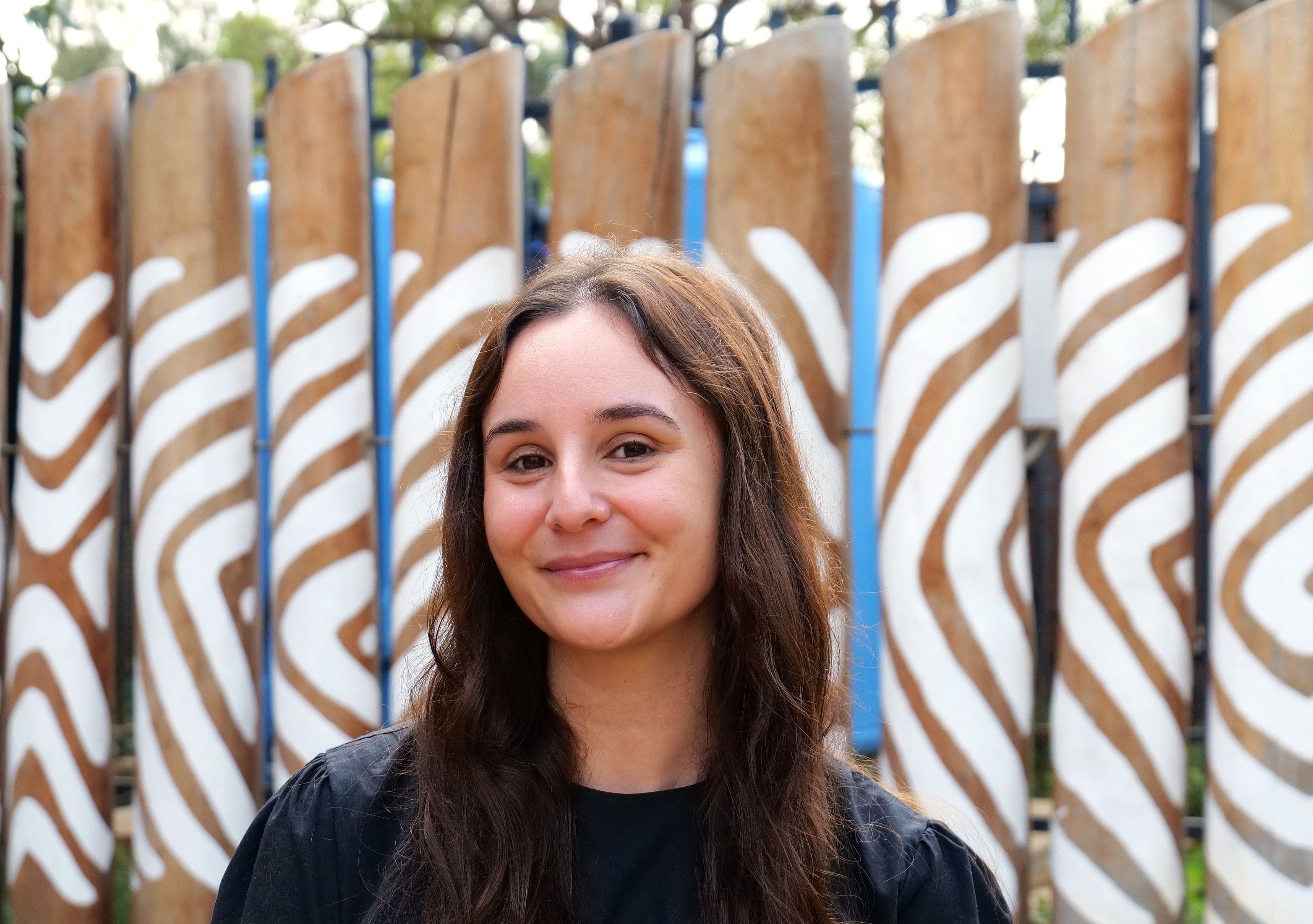
Senior Research Officer Tanika Sgherza is on the Healing Kids, Healing Families team.