
Search
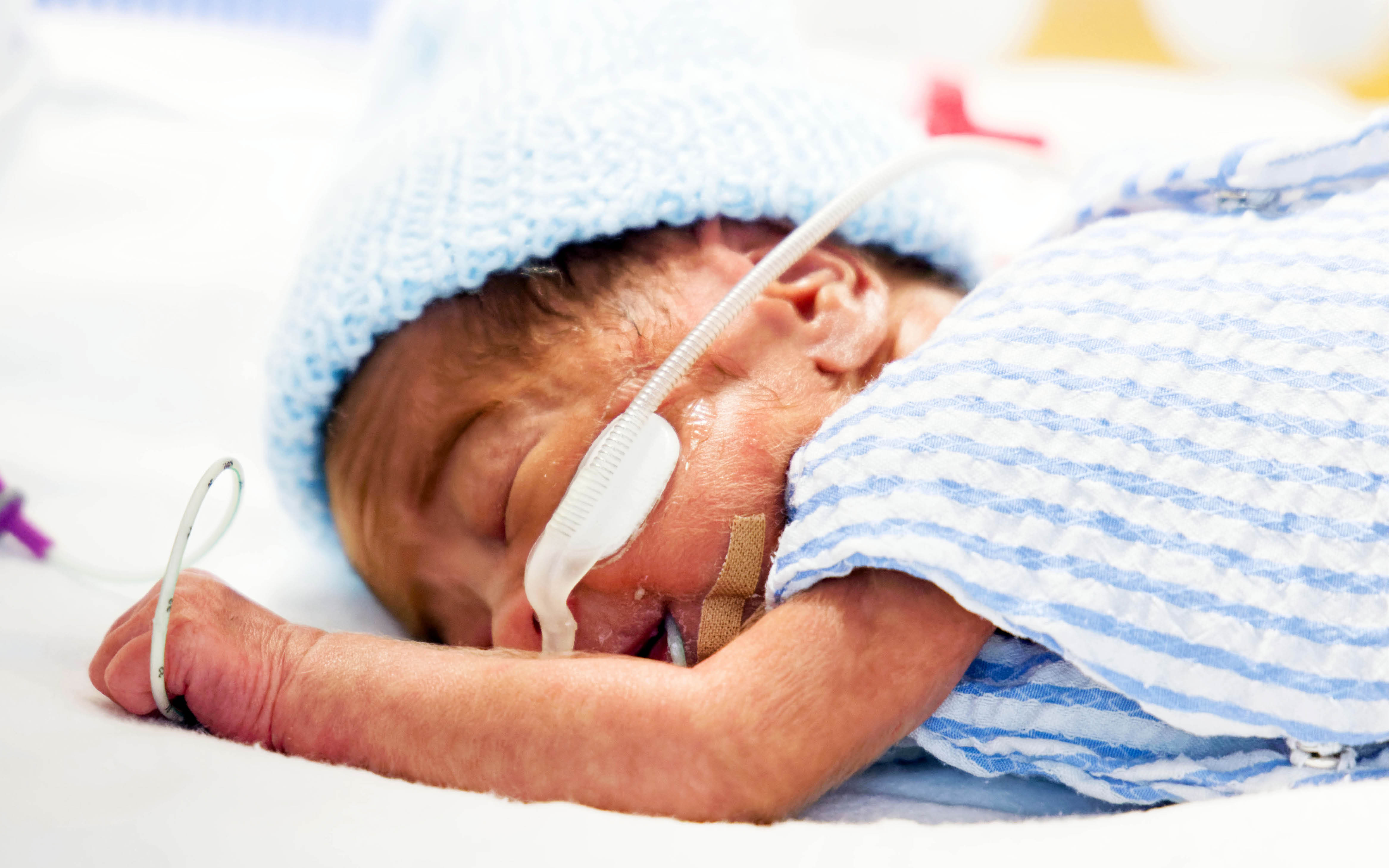
Preterm babies have a heightened risk of infection as their immune system is not mature. The Neonatal Health Team is exploring new ways to diagnose, prevent and treat infections in WA's smallest patients .
Recent studies have shown that PTX is compatible with a wide range of intravenous medicines used in NICU settings2–4; however, the compatibility of PTX with inline intravenous filters or syringe filters used in aseptic compounding facilities has not previously been reported.
Sildenafil is used to treat pulmonary hypertension in neonatal intensive care unit (NICU) settings. As multiple intravenous (IV) medications are co-administered in NICU settings, we sought to investigate the physicochemical compatibility of sildenafil with a range of IV drugs.
Early-life antibiotic exposure is disproportionately high compared to the burden of culture-proven early-onset sepsis (CP-EOS). We assessed the contribution of culture-negative cases to the overall antibiotic exposure in the first postnatal week.
Neonatal sepsis is a serious public health problem; however, there is substantial heterogeneity in the outcomes measured and reported in research evaluating the effectiveness of the treatments. Therefore, we aim to develop a Core Outcome Set (COS) for studies evaluating the effectiveness of treatments for neonatal sepsis.
Heat-inactivated probiotics (HPs) may provide an effective alternative to live probiotics by avoiding their risks (eg, probiotic sepsis) while retaining the benefits. We assessed the safety and efficacy of a HP in very preterm (VP: gestation <32 weeks) infants.
Infants at risk of HIE require early identification and initiation of therapeutic hypothermia (TH). Earlier treatment with TH is associated with better outcomes. aEEG is frequently used when making the decision whether to commence TH. As this is often limited to tertiary centers, TH may be delayed if the infant requires transport to a center that provides it.
Appropriate use of antibiotics is life-saving in neonatal early-onset sepsis (EOS), but overuse of antibiotics is associated with antimicrobial resistance and long-term adverse outcomes.
Tick-borne diseases are a growing global health concern. Despite extensive studies, ill-defined tick-associated pathologies remain with unknown aetiologies. Human immunological responses after tick bite, and inter-individual variations of immune-response phenotypes, are not well characterised.
Rotifers are used as the first feed for marine fish larvae and are grown in large cultures that have high loads of organic matter and heterotrophic bacteria; these bacteria are passed on to the developing fish larvae and can potentially lead to bacterial infections.