
Search
Composition of leukocyte populations in the first month of life remains incompletely characterised, particularly in preterm infants who go on to develop late-onset sepsis (LOS). The aim of the study was to characterise and compare leukocyte populations in preterm infants with and without LOS during the first month of life.
Encephalitis is most often caused by a variety of infectious agents identified through diagnostic tests utilizing cerebrospinal fluid. We investigated the clinical characteristics and potential aetiological agents of unexplained encephalitis through metagenomic sequencing of residual clinical samples from multiple tissue types and independent clinical review.
Understanding the temporal dynamics of mosquito populations underlying vector-borne disease transmission is key to optimizing control strategies. Many questions remain surrounding the drivers of these dynamics and how they vary between species-questions rarely answerable from individual entomological studies (that typically focus on a single location or species).
Neisseria meningitidis is a gram-negative diplococcus and a transient commensal of the human nasopharynx. It shares and competes for this niche with a number of other Neisseria species including N. lactamica, N. cinerea and N. mucosa. Unlike these other members of the genus, N. meningitidis may become invasive, crossing the epithelium of the nasopharynx and entering the bloodstream, where it rapidly proliferates causing a syndrome known as Invasive Meningococcal Disease.
The search for clinically effective antivirals against the severe acute respiratory syndrome coronavirus-2 (SARS-CoV-2) is ongoing. Repurposing of drugs licensed for non–coronavirus disease 2019 (COVID-19) indications has been extensively investigated in laboratory models and in clinical studies with mixed results.
Streptococcus pneumoniae (the pneumococcus) is a human pathogen of global importance, classified into serotypes based on the type of capsular polysaccharide produced. Serotyping of pneumococci is essential for disease surveillance and vaccine impact measurement.
This work is the first step to develop safe treatments for pregnant mums to protect against preterm delivery and low birth weight caused by maternal infections.
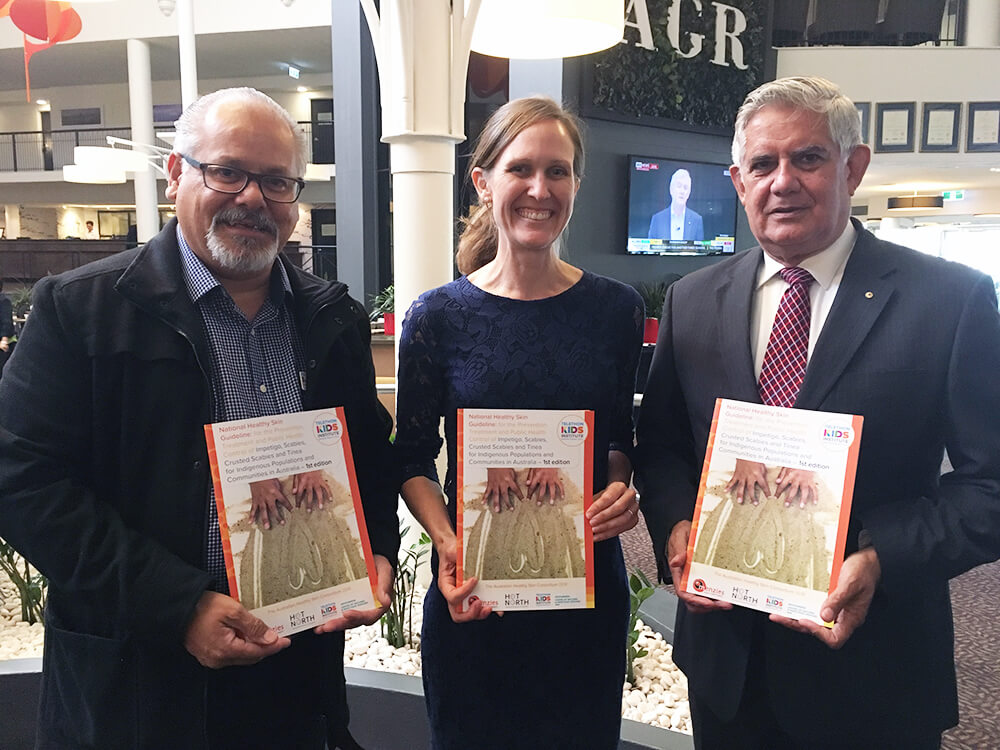
Researchers have developed the first National Healthy Skin Guideline to address record rates of skin infections in Australia’s Indigenous communities.
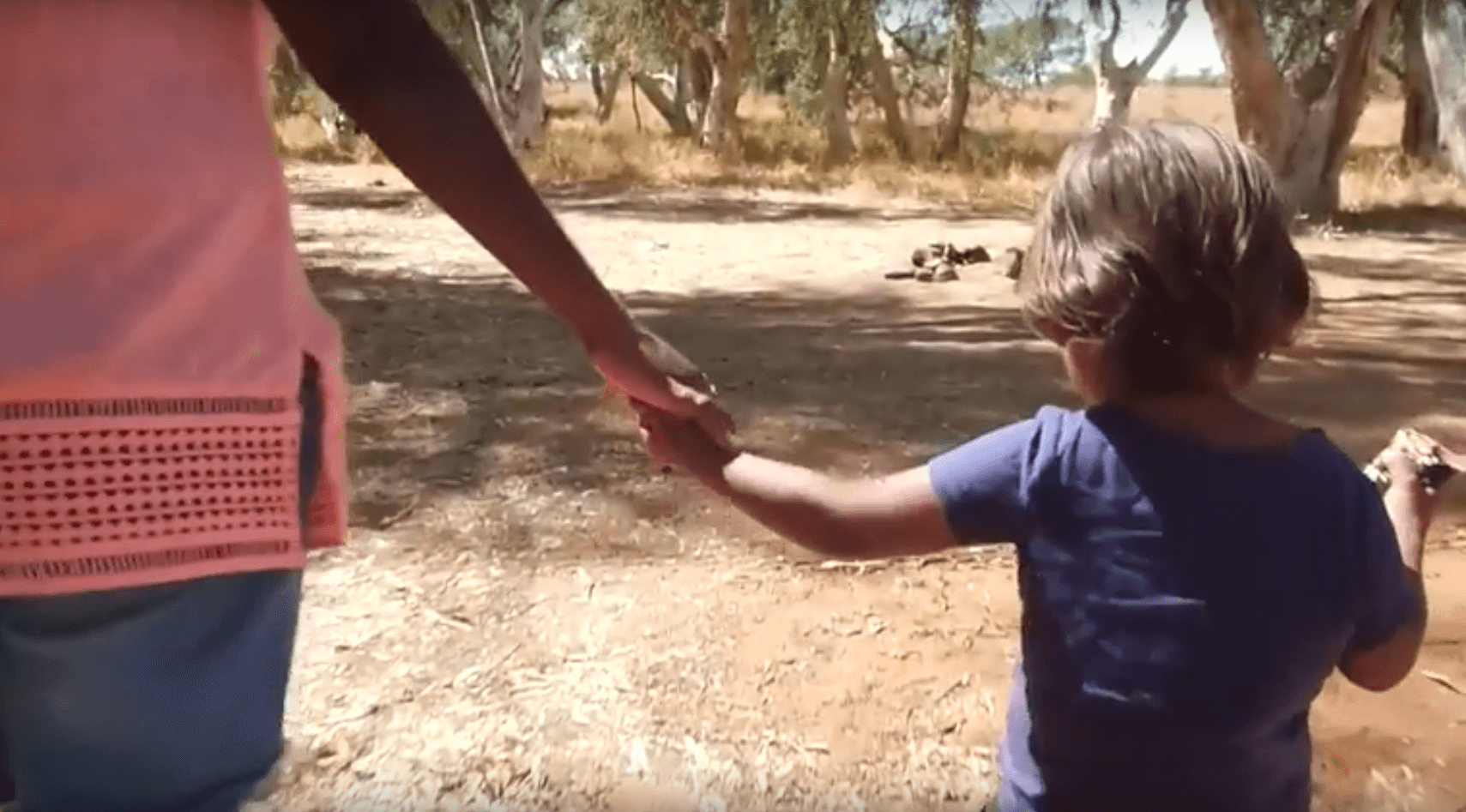
Aboriginal mum and child

Thousands of children born in Papua New Guinea (PNG) no longer face a future cut short by severe pneumonia, thanks to the introduction of pneumococcal vaccination as part of the country’s National Immunisation Program.