
Search
We explore the acceptability of a novel, outreached-based approach to improve primary and primordial prevention of Strep A skin sores, sore throats and acute rheumatic fever in remote Aboriginal communities. A comprehensive prevention program delivered by trained Aboriginal Community Workers was evaluated using approximately fortnightly household surveys about health and housing and clinical records.
Severe, invasive Streptococcus pyogenes (Strep A) infections result in greater than 500,000 deaths annually. First line treatment for such infections is benzylpenicillin, often with the addition of clindamycin, but treatment failure can occur with this regimen. This failure has been partially attributed to the inoculum effect, which presents as reduced antibiotic susceptibility during high bacterial density and plateau-phase growth.
Group A streptococcal (GAS) pharyngitis has traditionally been considered the sole precursor of acute rheumatic fever (ARF). Evidence from Australia, however, suggests that GAS skin infections may contribute to the pathogenesis of ARF.
Asha Jonathan Bowen Carapetis AM BA MBBS DCH FRACP PhD GAICD FAHMS OAM AM MBBS FRACP FAFPHM PhD FAHMS Head, Healthy Skin and ARF Prevention Co-Head,
Invasive group A streptococcal infection in Australian children is frequently severe and has a high long-term morbidity burden
Acute Rheumatic Fever and Rheumatic Heart Disease is a concise, yet comprehensive, clinical resource highlighting must-know information on rheumatic heart disease and acute rheumatic fever from a global perspective
A vaccine that prevents GAS cellulitis and other skin infections, in addition to throat infections, would maximise its value and commercial viability
This Group A Streptococcus OPKA assay has the potential to provide a robust and reproducible platform to accelerate GAS vaccine development.

In Perth, The Kids Research Institute Australia is spearheading global efforts to tackle this insidious bacterium and reduce its impact on kids’ health.
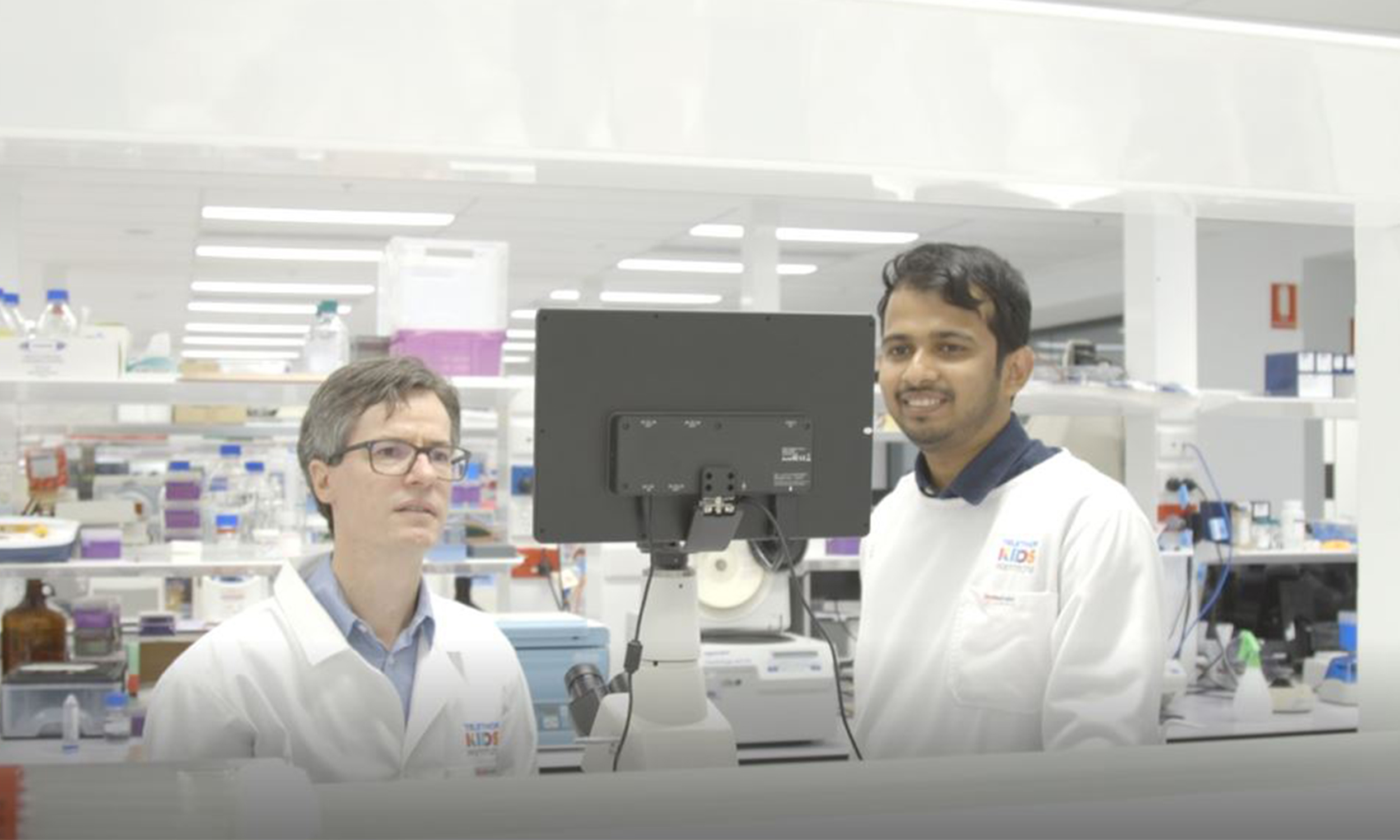
Vital research aiming to improve the treatment of potentially deadly Group A Streptococcus (Strep A) has been awarded $820,000 in the latest round of National Health and Medicine Research Council’s Ideas Grants.