
Search
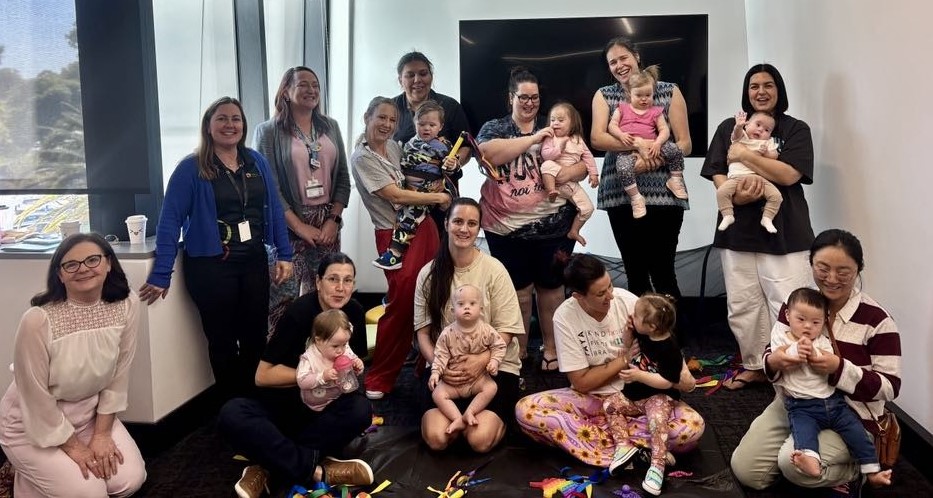
Researchers from the Wesfarmers Centre of Vaccines and Infectious Diseases, based at The Kids Research Institute Australia, are partnering with Down Syndrome WA to learn more about how respiratory syncytial virus, or RSV, affects children with increased medical vulnerability.
This tool is designed to help current and future parents and caregivers as well as health care providers. It is currently based on the 2026 Western Australian RSV immunisation program.
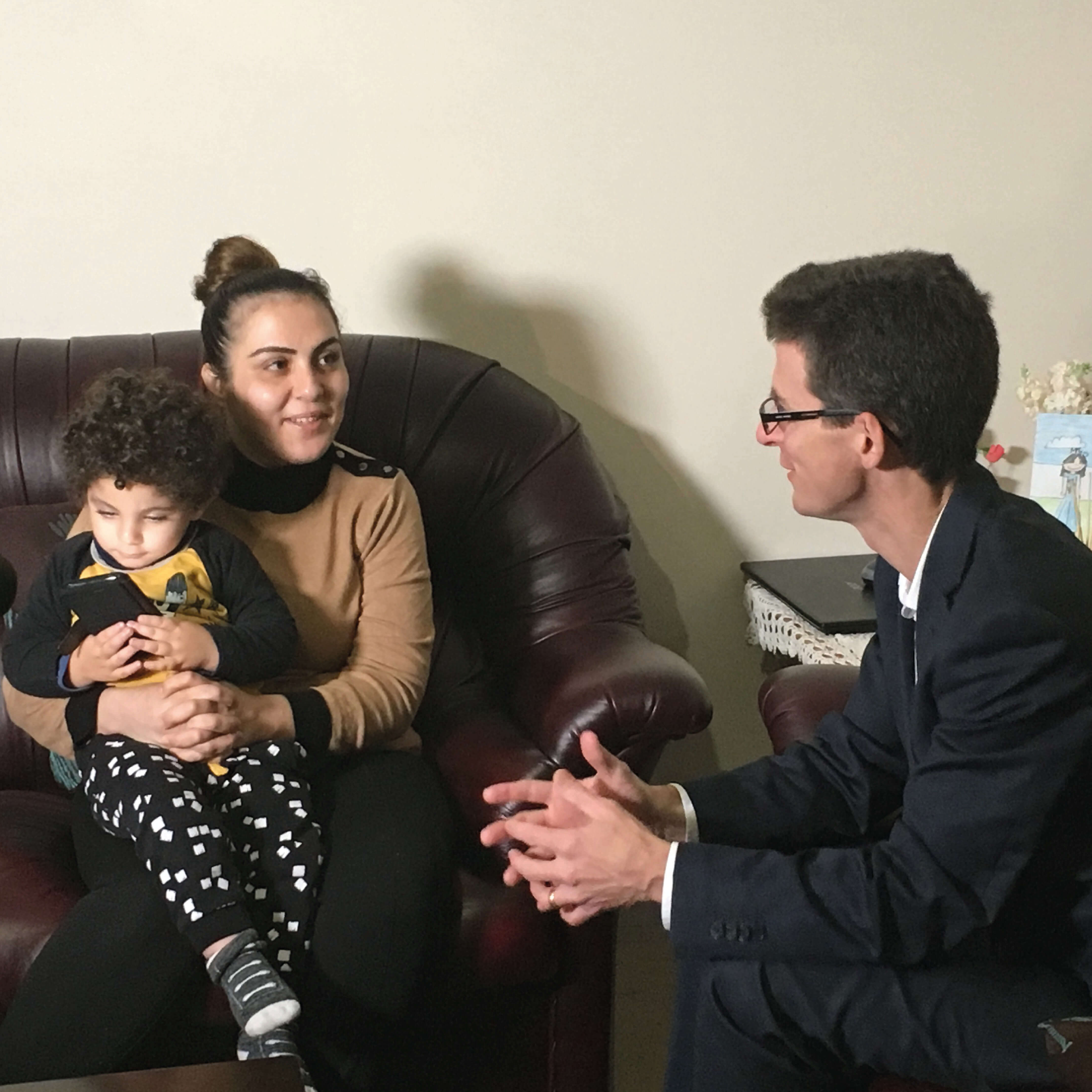
Perth parents are underestimating the serious consequences of the flu, with only 19 per cent of children under five years of age currently immunized against the virus ahead of the peak winter flu season.

News headlines about the large number of life-threatening cases of the flu in Western Australia this winter have been hard to miss - find out what you can do to protect your family.
To examine rates and predictors of 7-day readmission in infants hospitalised before 3 months of age with infectious and non-infectious conditions. A retrospective population-based data-linkage study of 121 854 infants from a 5-year metropolitan birth cohort (2008-2012). Cox proportional hazard models were used to examine associations between infant and maternal factors with 7-day readmission.
Respiratory syncytial virus (RSV) is a major cause of respiratory infection with a higher burden in Aboriginal and Torres Strait Islander infants and children. We conducted a pilot qualitative study identifying disease knowledge and willingness to immunise following the changing immunisation landscape for infant RSV in 2024.
Papua New Guinea (PNG) introduced the 13-valent pneumococcal conjugate vaccine (PCV13) in 2014, with administration at 1, 2, and 3 months of age. PCV13 has reduced or eliminated carriage of vaccine types in populations with low pneumococcal carriage prevalence, carriage density and serotype diversity.
Acute lower respiratory infections (ALRIs) are a major contributor to the global infectious disease burden and a common cause of hospitalisation for children under 2 years. We compared clinical severity in children hospitalised with respiratory syncytial virus (RSV), parainfluenza virus (PIV), human metapneumovirus (hMPV) and influenza virus (IFV).
The abstract screening process of systematic reviews can take thousands of hours by two researchers. We aim to determine the reliability and validity of Research Screener, a semi-automated abstract screening tool within a systematic review on non-specific and broader effects of respiratory vaccines on acute lower respiratory infection hospitalisations and antimicrobial prescribing patterns in young children.
Respiratory Syncytial Virus (RSV) causes a significant burden of illness for children under 2 years of age. Nirsevimab, a long-acting monoclonal antibody, was registered for RSV prevention in Australia in 2023. In April 2024, Western Australia (WA) launched the country's first state-wide nirsevimab program for all infants and high-risk children entering their second RSV season.