
Search
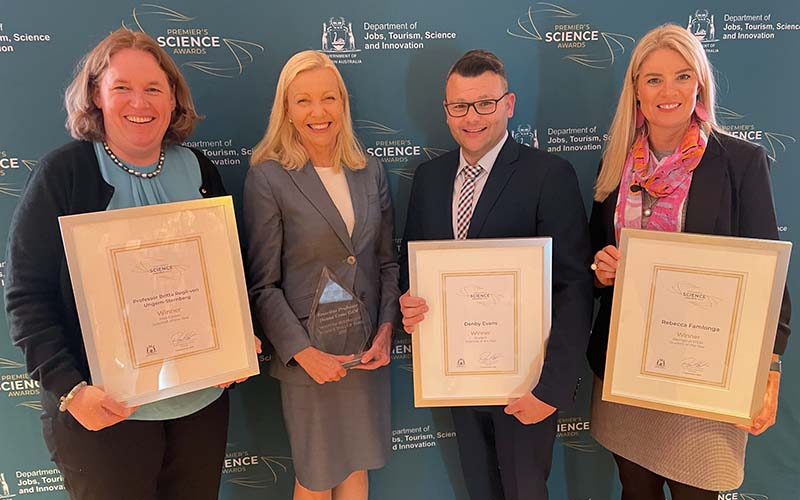
Three outstanding researchers have won 2023 Premier’s Science Awards, with another inducted into the prestigious WA Science Hall of Fame.
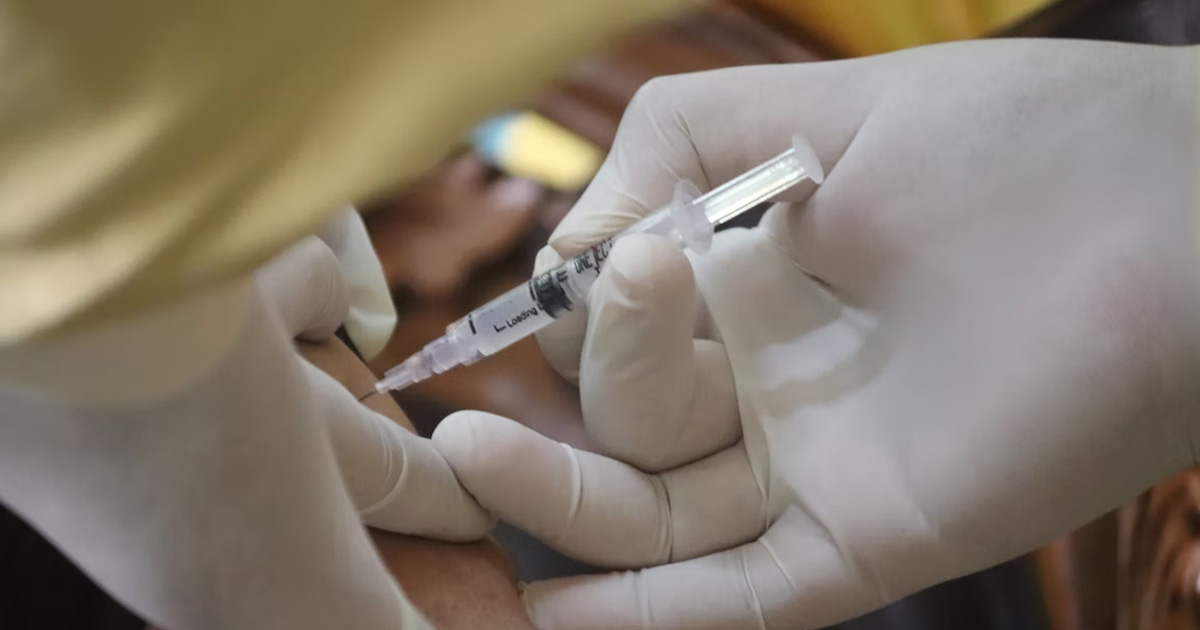
A world-first study has found a new vaccine against potentially deadly respiratory syncytial virus (RSV) is safe and effective for use in pregnant women, to help protect their babies.
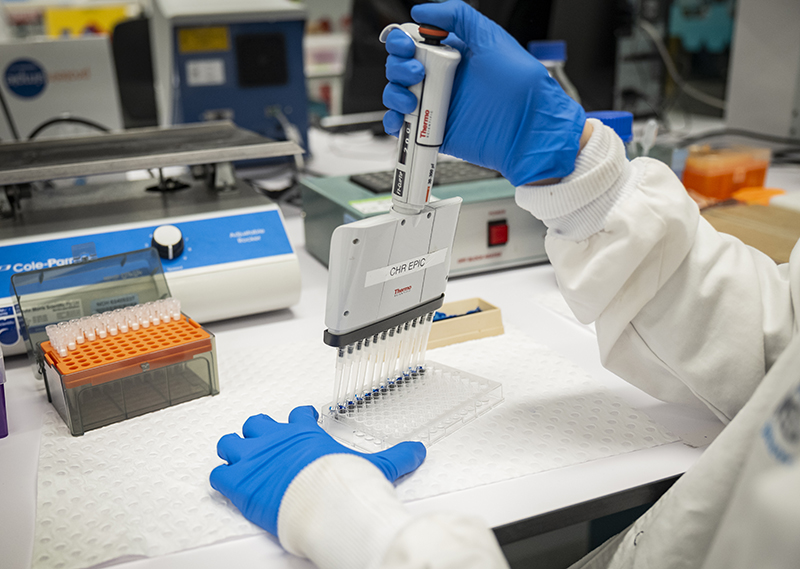
Researchers from The Kids Research Institute Australia have been awarded more than $11 million to support vital child health projects, under the Federal Government’s Medical Research Future Fund.
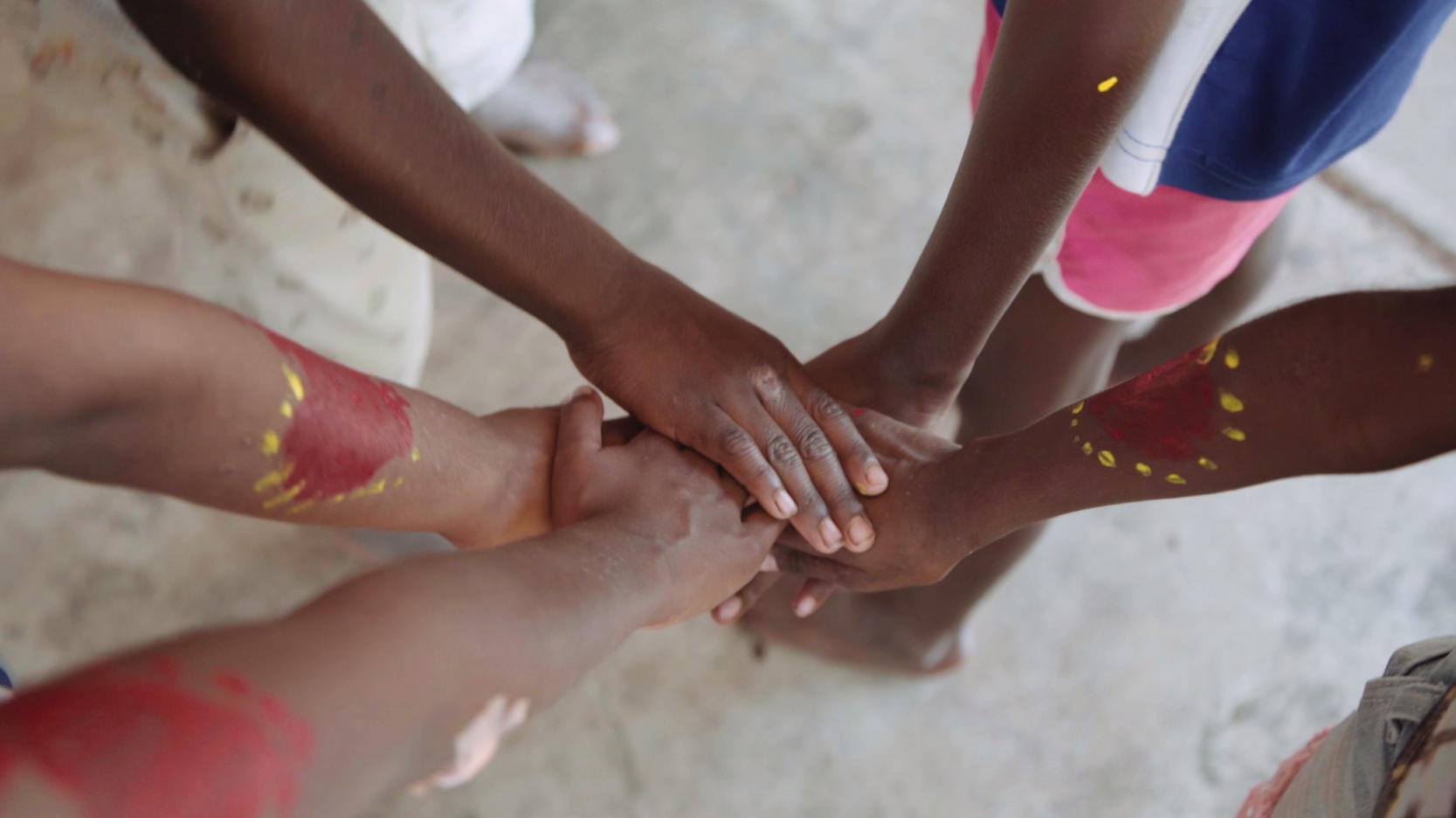
Young Aboriginal and Torres Strait Islander people receiving long-term, painful injections to prevent deadly complications from rheumatic heart disease (RHD) will design their own optimum treatment program thanks to latest research at The Kids Research Institute Australia.
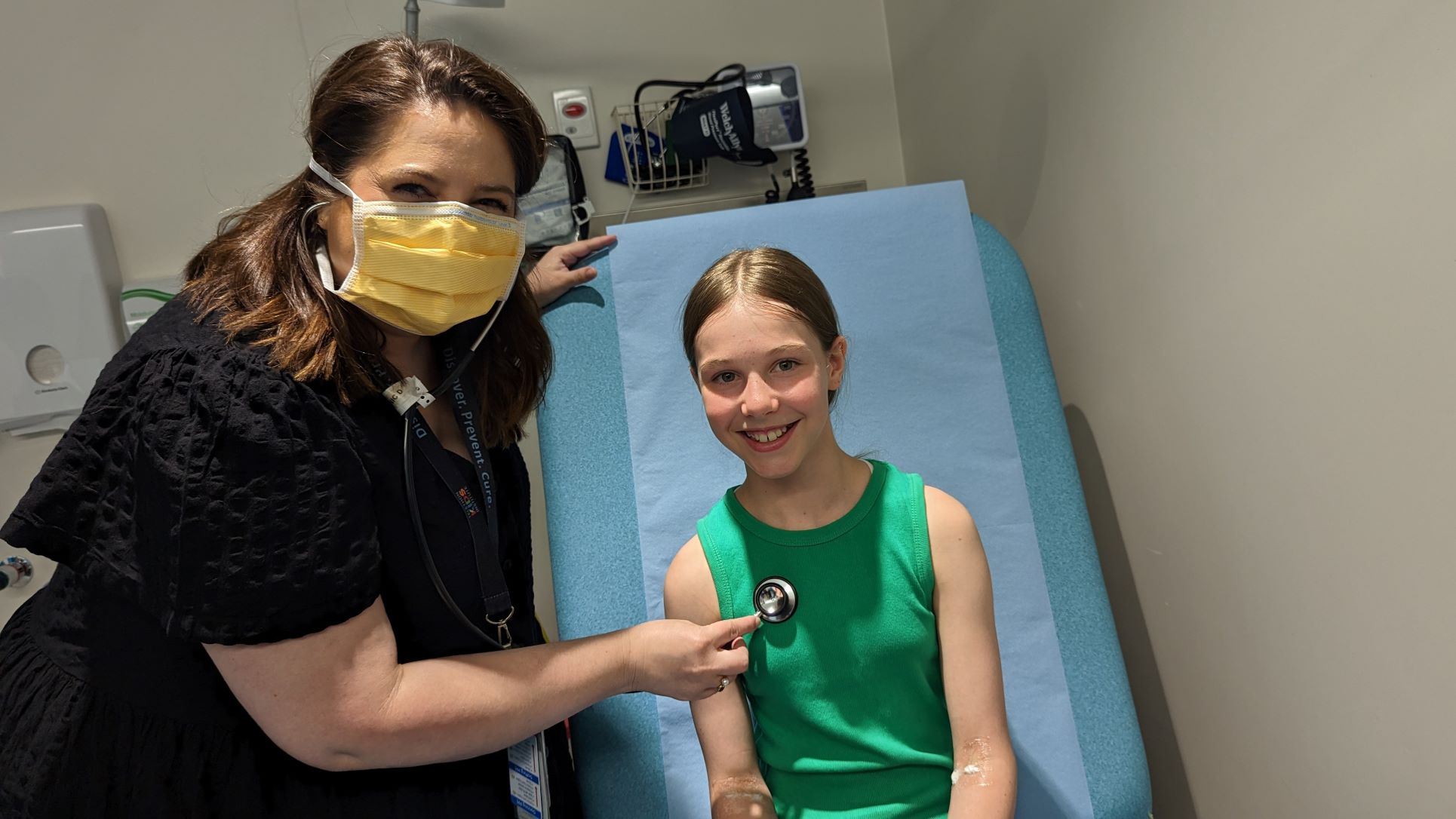
Tiny babies could soon have much-needed protection from community transmission of potentially deadly whooping cough thanks to a world-first nasal spray vaccine being trialed at The Kids Research Institute Australia.
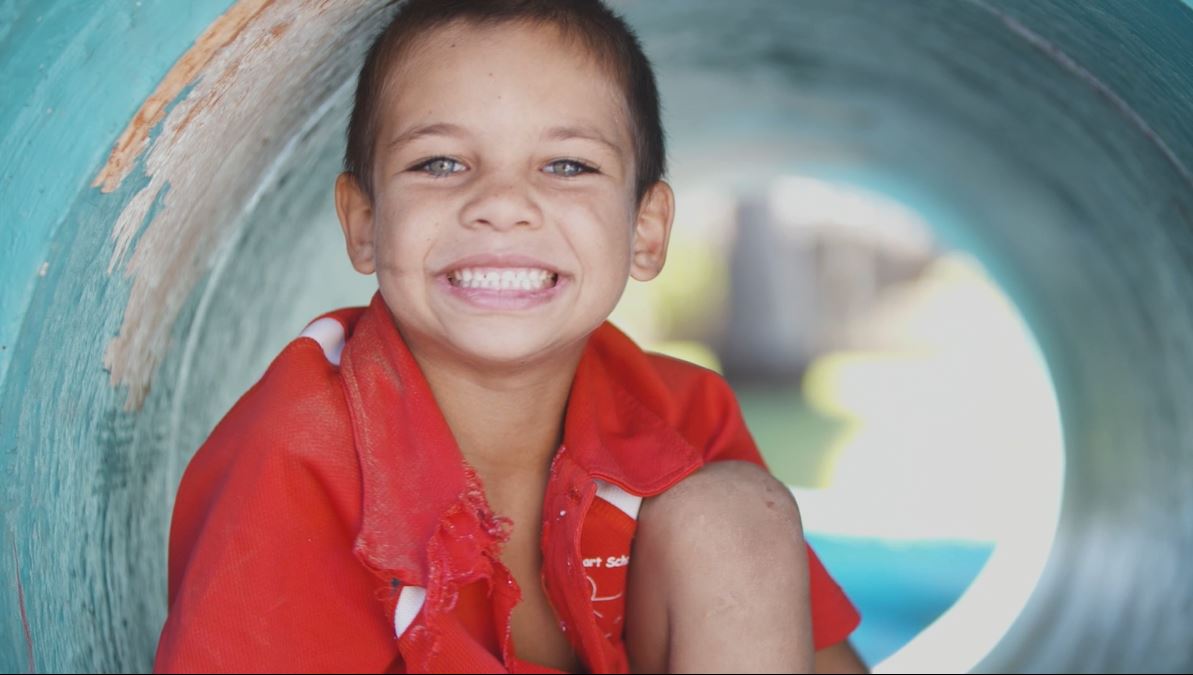
Researchers from The Kids Research Institute Australia are joining forces with international experts in acute rheumatic fever (ARF) and rheumatic heart disease (RHD) to transform the diagnosis of these diseases thanks to an $US8 million grant from the Leducq Foundation.
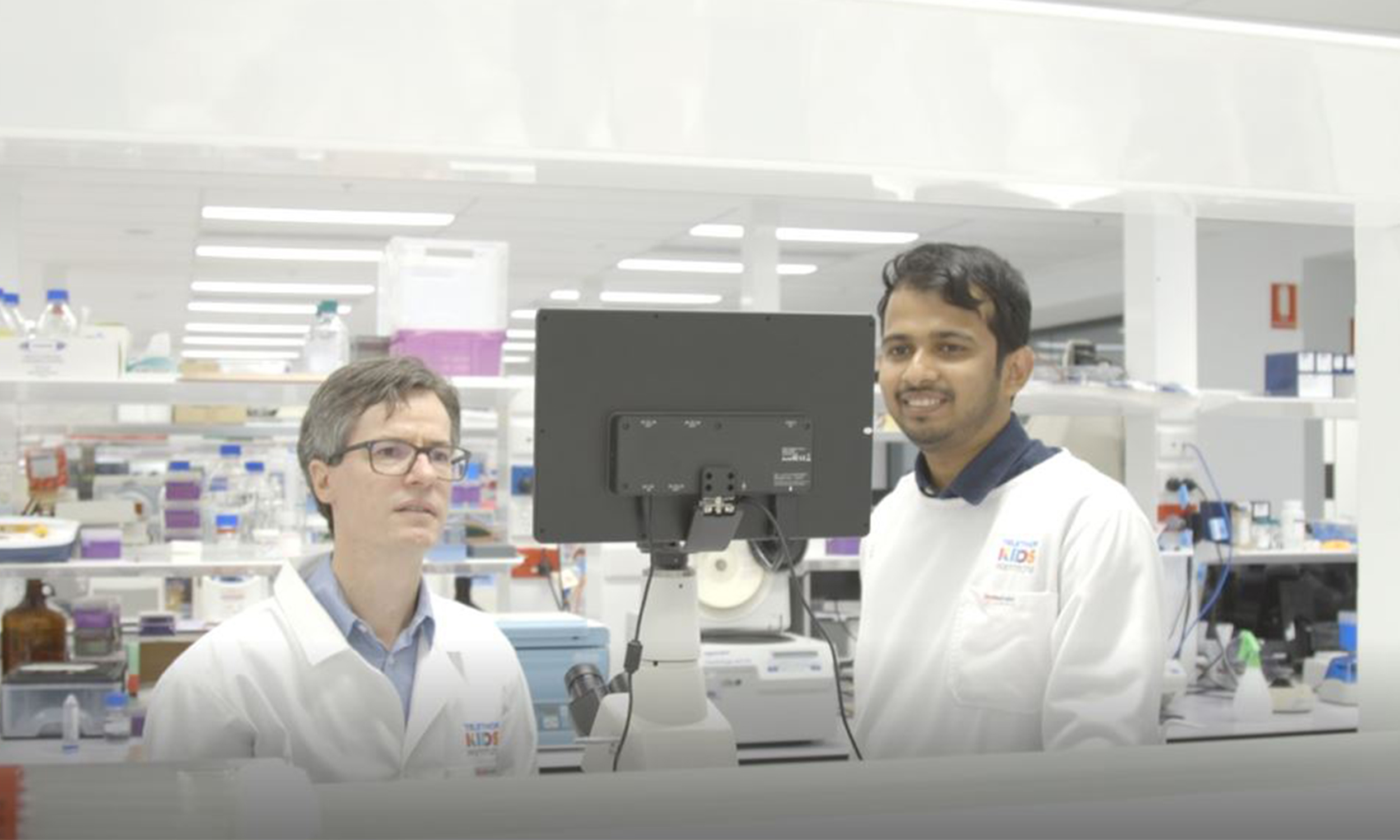
Vital research aiming to improve the treatment of potentially deadly Group A Streptococcus (Strep A) has been awarded $820,000 in the latest round of National Health and Medicine Research Council’s Ideas Grants.
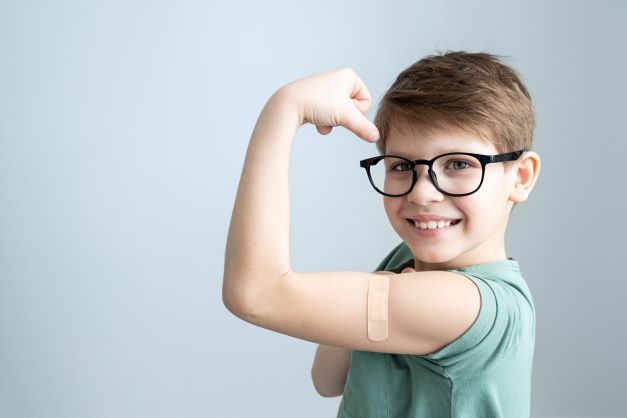
A first-of-its-kind national study looking at the optimal COVID-19 vaccination strategies for children and adolescents is set to begin at Perth’s The Kids Research Institute Australia thanks to a $3.8 million funding injection from the Australian Government’s Medical Research Future Fund (MRFF).
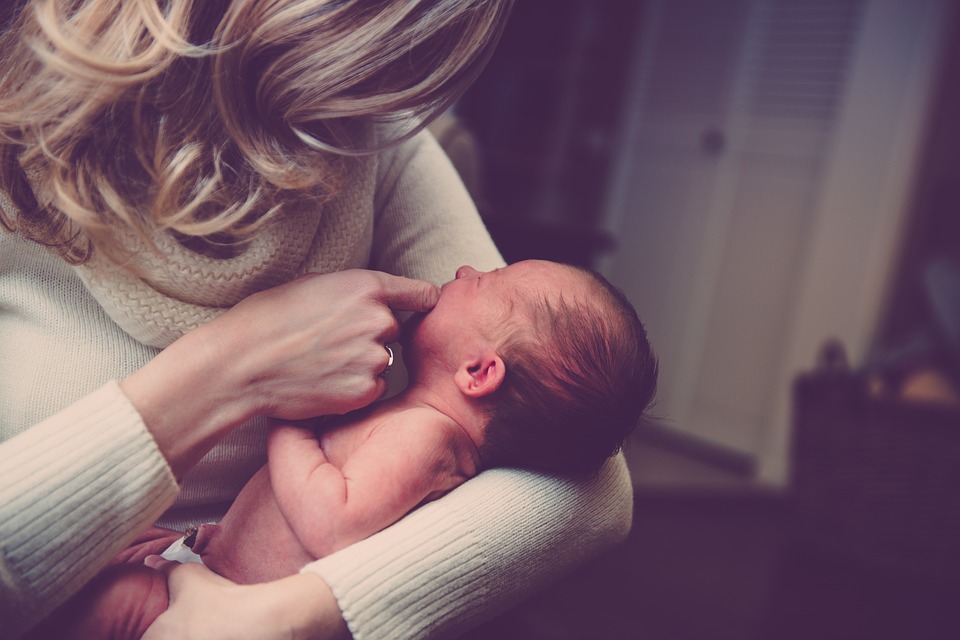
World-first immunisations providing protection against deadly respiratory syncytial virus (RSV) could be just months away thanks to global research efforts spanning multiple decades.
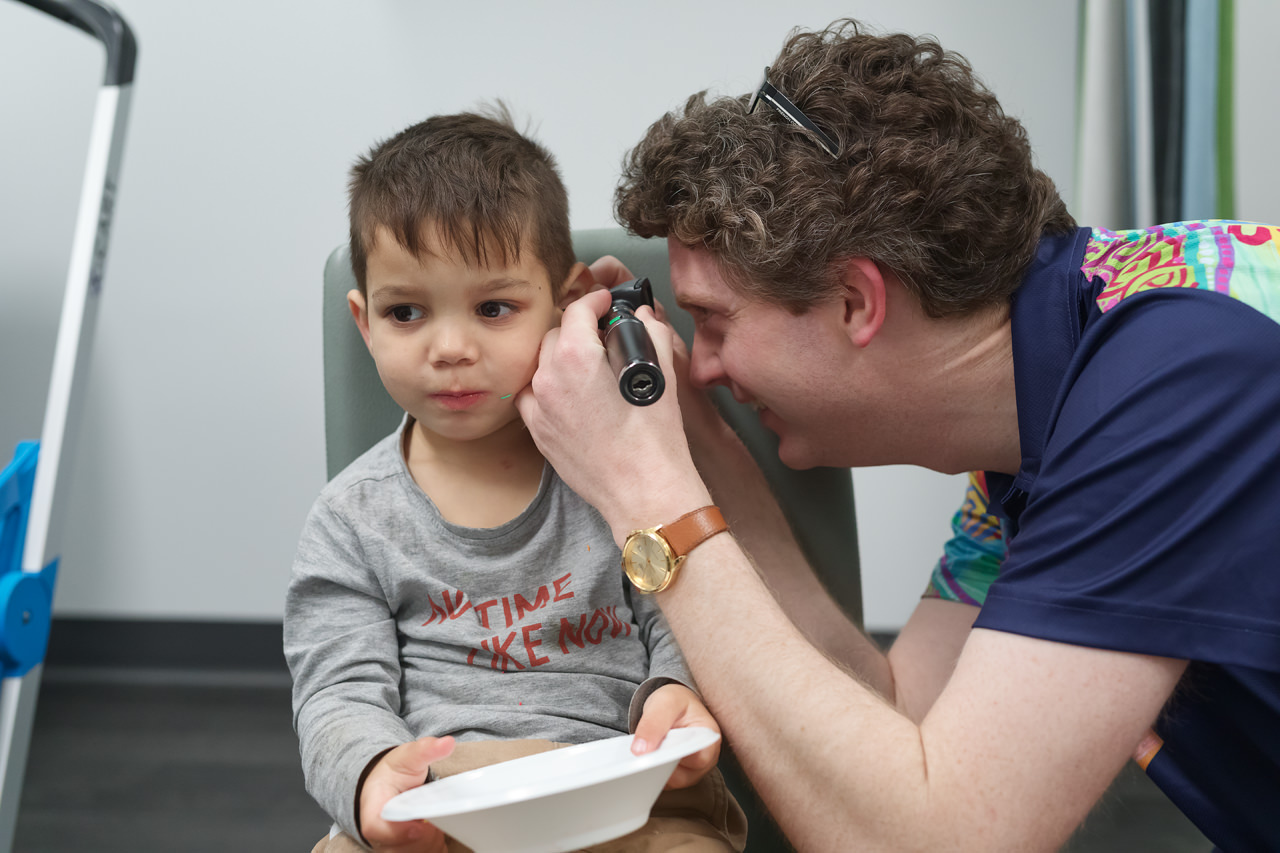
Paediatric audiologist Associate Professor Chris Brennan-Jones has been announced as a finalist for the country’s leading national science awards – the Australian Museum Eureka Prizes.