
Search
Beaches are important settings for physical activity, with their quality (safety, amenities, aesthetics) influencing how well they support health. The quality of beaches may differ across neighbourhoods, with higher socioeconomic status neighbourhoods having disproportionately better access to beaches. This study examined the attributes of and activities taking place in beaches by neighbourhood socioeconomic status.
Natural outdoor environments such as green and blue spaces have increasingly been seen as key health and wellbeing determinants for adults. However, it is unclear if these effects are seen in young children. We examined the associations between access to natural green and blue space and young children's socioemotional development.
The prevalence estimates of physical activity, sedentary behavior, and sleep (collectively known as movement behaviors) in 3- and 4-year-old children worldwide remains uncertain.
In Australia, there are concerns that unrestricted junk food advertising during sports broadcasts increases short-term junk food consumption among viewers. Therefore, the present study aimed to estimate the impact of junk food and anti-junk food advertising on consumption inclinations.
Outdoor play in the home yard is an important source of physical activity for many preschoolers. This study investigated if home yard size and vegetation are related to preschooler outdoor play time.
Regular physical activity is important for children's physical and mental health, yet many children do not achieve recommended amounts of physical activity. Dog ownership has been associated with increased physical activity in children, however, there have been no longitudinal studies examining this relationship.
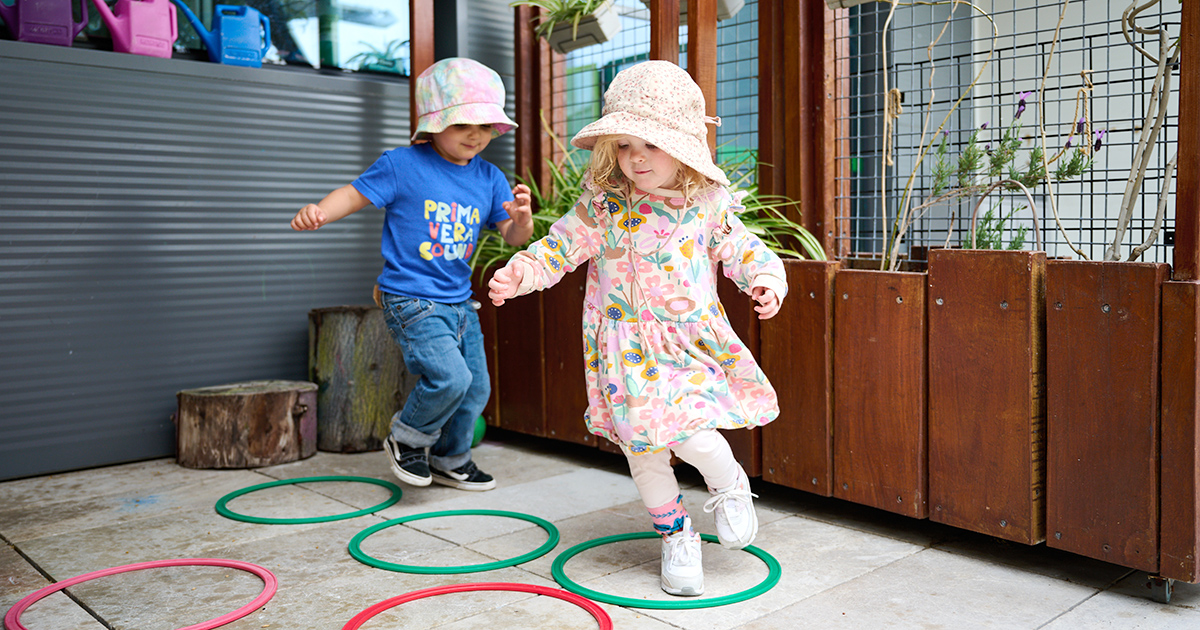
Did you know our research shows that less than 20 per cent of young Australian children get enough energetic play each day? Many children are spending more time sitting still or on screens, and not enough time moving, exploring and playing, which is fundamental to their healthy development.
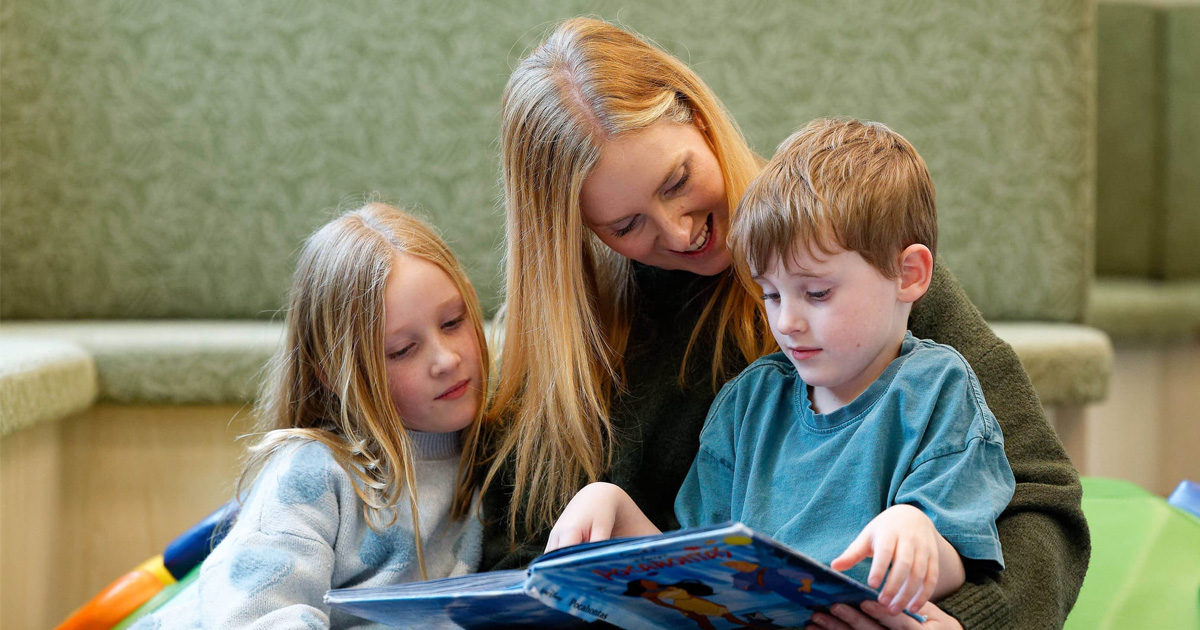
Walk through the jungle, hunt for the bear, or do the animal bop this Book Week! Acting out stories is a wonderful way to encourage active play with your child.

Four outstanding members of The Kids Research Institute Australia family – three researchers and an Aboriginal Elder co-researcher – have been named in the Australia Day Honours List for their outstanding service to research and the community.
Playgrounds are essential for children's physical, mental, and social development, yet there is a lack of high-quality evaluations of playground interventions in public spaces.