
Search
Population-level, nationally representative data on the prevalence of minority stressors and traumatic events, mental ill-health effects, and the preventative utility of school climate, among gender and sexuality diverse young people in Australia, is significantly lacking.
It is likely that young people who are both Aboriginal and Torres Strait Islander and LGBTQA+ would be at increased risk for poor mental health outcomes due to the layered impacts of discrimination they experience; however, there is very little empirical evidence focused on the mental health and wellbeing of Aboriginal and Torres Strait Islander LGBTQA+ young people. The current study represents a qualitative exploration of wellbeing among Aboriginal LGBTQA+ young people.
Nonsuicidal self-injury (NSSI) is particularly common among trans young people. Trans young people tend to experience high levels of emotional distress due to the unique stressors they face, and often use NSSI as an emotion regulation strategy. These stressors include gender dysphoria, body image concerns, and transphobic experiences.
There is a dire paucity of research into the burden, correlates and motives of substance use among trans young people in Australia.
Though significant research highlights higher rates of mental ill-health and substance use among trans, non-binary and gender diverse (henceforth 'trans') young people, little research has considered patterns, contextual characteristics, and correlates of co-occurring experiences of mental ill-health and substance use among trans young people.
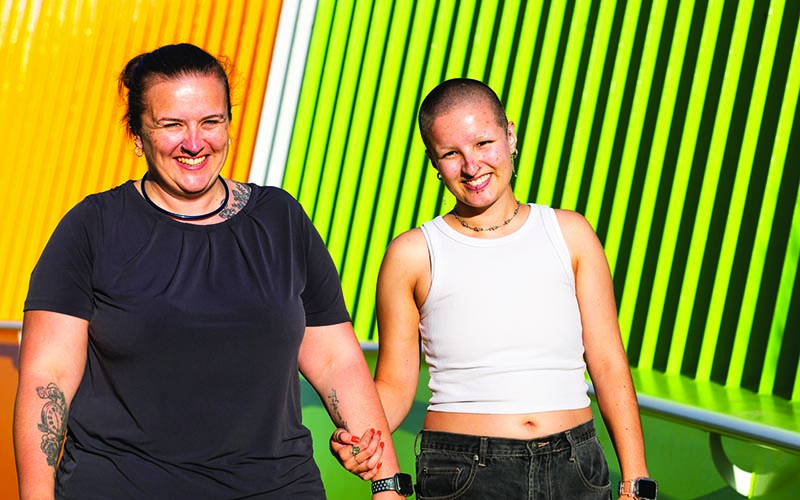
A new website for parents of trans children and young people across Australia is expected to improve family wellbeing and ultimately save lives after launching in May 2023.
A lack of appropriate care and discrimination in healthcare settings likely compounds the existing risks to mental health and well-being for Aboriginal and Torres Strait Islander lesbian, gay, bisexual, trans, queer/questioning, and asexual (LGBTQA+) young people. The current study contributes findings from Aboriginal LGBTQA+ young people's perspectives on their health service needs and preferences.
Trans adolescents experience and anticipate stigma to the detriment of their mental health; however, trans adolescents have rarely been consulted about their stigma experiences. This study aimed to understand trans adolescents’ lived experiences of experienced and anticipated stigma.
Despite the well-documented benefits of exercise for adolescents’ physical and mental health, exercise remains an underutilized strategy for improving the health of trans adolescents. This is notable because, compared to their cisgender peers, trans adolescents experience greater health challenges and systemic barriers to being physically active. To date, no research has evaluated an evidence-based exercise service within specialist paediatric gender services in Australia.
Measures of autistic traits are only useful – for pre-diagnostic screening, exploring individual differences, and gaining personal insight – if they efficiently and accurately assess autism as currently conceptualised while maintaining psychometric validity across different demographic groups. We recruited 1322 autistic and 1279 non-autistic adults who varied in autism status (non-autistic, diagnosed autistic, self-identifying autistic) and gender (cisgender men, cisgender women, gender diverse) to assess the psychometric properties of the Comprehensive Autistic Trait Inventory, a recently developed measure of autistic traits that examines six trait domains using 42 self-report statements.