
Search
The aim of the trial is to evaluate a community-based early education and development program launched by the Government of Indonesia.
The objective of this paper is to determine how well the EDI predicts a child's later literacy and numeracy outcomes as assessed by the National Assessment...
This report provides the technical details for the methodology calculated to determine "how big" a difference in the AEDI results between 2009 and 2012 is...
Yasmin Harman-Smith BA, BHlthSc(Hons), MTeach(Primary), PhD Head, Early Years Systems Evidence Yasmin.harman-smith@thekids.org.au Head, Early Years
Yasmin Harman-Smith BA, BHlthSc(Hons), MTeach(Primary), PhD Head, Early Years Systems Evidence Yasmin.harman-smith@thekids.org.au Head, Early Years
The Government of Uzbekistan has committed to reforming preschool education, prioritising upskilling teachers to use international best practice.

New research by The Kids Research Institute Australia has found children who attend playgroups achieve better early primary school outcomes.
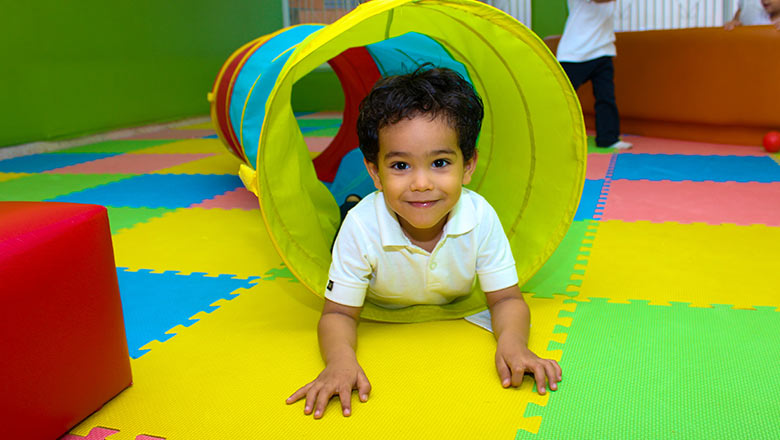
National Playgroup Week, the annual event run by Playgroup Australia, will take place across the country from 20 March to 27 March.

The national report released today from the Australian Early Development Census (AEDC) shows that in 2015, most children in Australia were on track.
The mental health and wellbeing of young people has important consequences for students and society. Schools are a logical environment for management and early intervention of wellbeing, mental health and engagement with school. Interventions aimed at improving mental health and wellbeing in education systems requires knowledge of how wellbeing is clustered at a school level. Cluster-randomised trials, and regression analyses of such data also require knowledge of clustering.