
Search
Childhood outcomes following preterm birth are widely published, however long-term adult outcomes are less well described. We aimed to determine the quality of life and burden of co-morbidities experienced by preterm-born young adults in Western Australia.
Preterm birth is the leading cause of perinatal morbidity and mortality and is associated with adverse developmental and long-term health outcomes, including several cardiometabolic risk factors and outcomes. However, evidence about the association of preterm birth with later body size derives mainly from studies using birth weight as a proxy of prematurity rather than an actual length of gestation. We investigated the association of gestational age (GA) at birth with body size from infancy through adolescence.
Preterm birth and subsequent neonatal ventilatory treatment disrupts development of the hypoxic ventilatory response (HVR). An attenuated HVR has been identified in preterm neonates, however it is unknown whether the attenuation persists into the second year of life.
Abnormalities of the airway smooth muscle (ASM) layer in asthma may develop before birth. We hypothesize that antenatal inflammation causes physiological abnormalities of the ASM that predisposes asthma. This study determined the short-term effects of antenatal inflammation on the developing ASM.
Preterm birth is a global public health problem with a significant burden on the individuals affected. The study aimed to extend current research on preterm birth prognostic model development by developing and internally validating models using machine learning classification algorithms and population-based routinely collected data in Western Australia.
Laboratory models provide an important tool in helping to understand the cellular and molecular drivers of respiratory disease. Many animal models exist that model the neonatal outcomes of preterm birth.
Having a preterm (<37 weeks' gestation) birth may increase a woman's risk of early mortality. Aboriginal and Torres Strait Islander women have higher preterm birth and mortality rates compared with other Australian women.
Preterm infants have immature control of breathing and impaired pulmonary gas exchange. We hypothesized that infants with bronchopulmonary dysplasia (BPD) have a blunted ventilatory response and peripheral oxygen saturation (SpO2 ) instability during a hypoxic challenge.
Increasingly, preterm-born children are entering adulthood as survival at earlier gestational ages improves. However, there is little understanding of the lived experience in preterm-born adults.
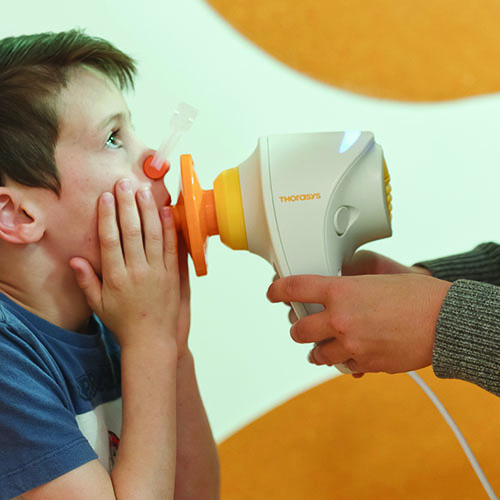
A new study is helping to identify treatment options to improve the lung function of premature babies, after it was determined survivors of preterm birth were at risk of declining lung health.