
Search

Eight outstanding researchers from The Kids Research Institute Australia and the Institute-led Broome STEM Festival are finalists in the 2025 Premier’s Science Awards.
Impaired oxygen delivery or blood flow to the brain around the time of birth can cause injury. Hypoxic ischaemic encephalopathy is a leading cause of death and disability in term and near-term infants.
Perioperative anxiety is a common and distressing aspect of anaesthesia for many children, resulting in management challenges at the time of anaesthesia and potential physical and psychological adverse outcomes. We conducted this qualitative phenomenological study to explore the perspectives of children, parents and staff on perioperative anxiety in our institution. Planned recruitment was 20 each of children who had undergone elective anaesthesia, their parents and staff.
Physical activity is crucial for young children's health and development. Many young children do not meet the recommended 3 hours of daily physical activity, including 60 min of energetic play. Early childhood education and care (ECEC/childcare) is a key setting to intervene to improve children's physical activity. The Play Active programme is a scalable evidence-informed ECEC-specific physical activity policy intervention with implementation support strategies to improve educators' physical activity-related practices.
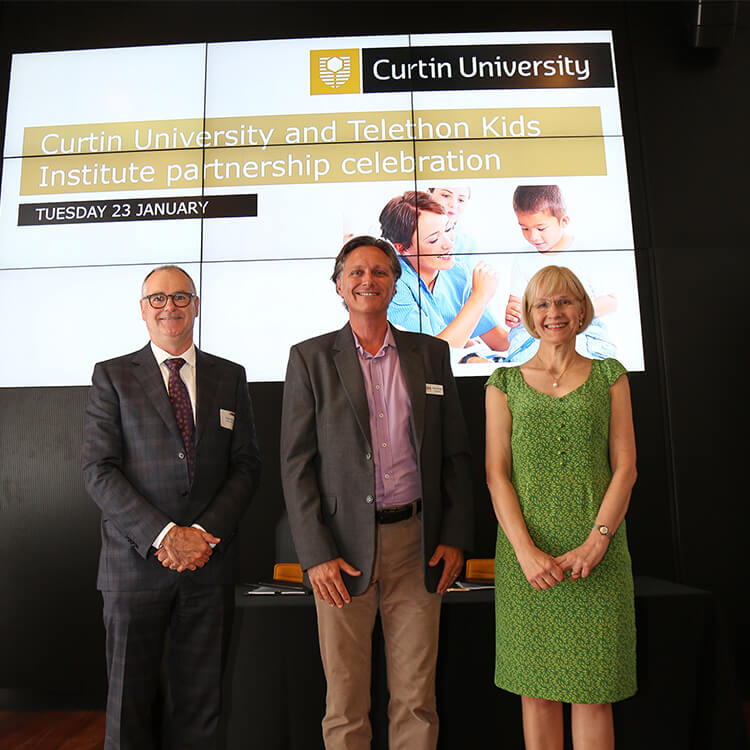
The Kids Research Institute Australia and Curtin University will work together as part of a new agreement focused on enhancing children’s health and medical research in WA.

Researchers will track the progress of 12,000 children from birth to age five to identify what services are valuable to families to support the health and wellb
The Kids Research Institute Australia, has welcomed the State Government's budget commitment to innovation and medical research.
The abundant skin commensal, Staphylococcus epidermidis, is the leading cause of late-onset sepsis (LOS) in preterm infants but rarely causes infections in term infants and adults. Staphylococcal virulence mechanisms and the role of the preterm immune responses in driving these life-threatening infections remain poorly understood.
Children with early-stage (pre-symptomatic) type 1 diabetes are currently identified primarily via research-based screening programmes in Australia. Once identified, families live with the knowledge that their child has an increased chance of developing symptomatic, lifelong, insulin-requiring type 1 diabetes but have no specific clinical pathway available to them in Western Australia for accessing tailored support or education. This project aimed to co-design a new clinical pathway to address this unmet need.
Physical activity can support physical and mental health among children living with chronic health conditions; however, programmes must be tailored to their specific needs to support participation.