
Search
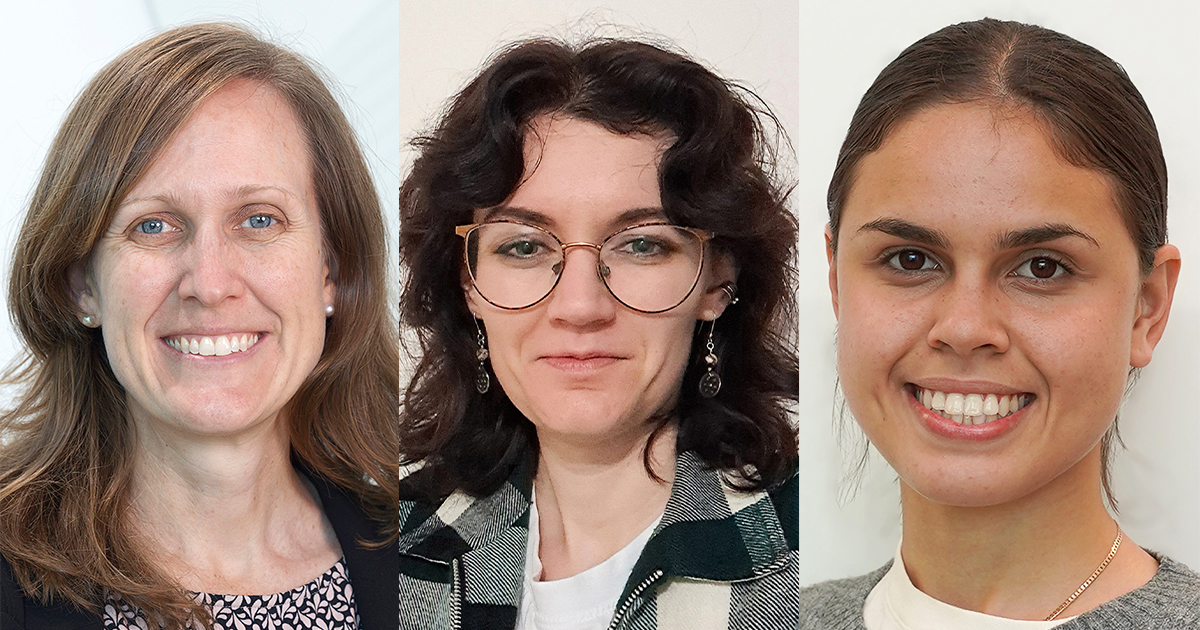
Three researchers from The Kids Research Institute Australia were recognised as being among Western Australia’s brightest and most innovative scientific minds at last night’s 24th Premier's Science Awards.
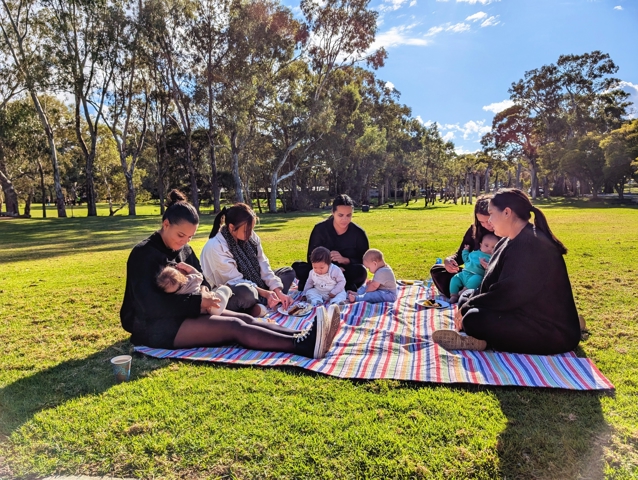
A group of 19 Aboriginal women from South Australia, along with researchers from The Kids Research Institute Australia, have developed a culturally responsive, evidence-based model of care to support Aboriginal women with cardiometabolic complications in pregnancy in SA.
Traditional markers modestly predict chronic kidney disease progression in Aboriginal and Torres Strait Islander people. Therefore, we assessed associations of cardiometabolic and inflammatory clinical biomarkers with kidney disease progression among Aboriginal and Torres Strait Islander people with and without diabetes.
Studies of traditional Indigenous compared to 'Western' gut microbiomes are underrepresented, and lacking in young children, limiting knowledge of early-life microbiomes in different cultural contexts. Here we analyze the gut metagenomes of 50 Indigenous Australian infants (median age <one year) living remotely with variable access to Western foods, compared to age- and sex-matched non-Indigenous infants living in urban Australia.
Despite evidence documenting high prevalence of type 2 diabetes among several Indigenous populations, a comprehensive systematic review of type 2 diabetes among global Indigenous Peoples has not been recently conducted. Our aim was to report region-, time-, age- and sex-specific type 2 diabetes prevalence among Indigenous adult populations globally.
Indigenous peoples globally have incurred significant harm resulting from colonisation and the forced removal of children from their families, culture, communities and Country. Over the last two decades in Australia, there have been calls for significant reform and there has been a raft of policy changes in child protection services. However the problems are intractable, and the numbers of Indigenous children being removed from their families continues to rise.
There is a growing understanding of how Aboriginal and Torres Strait Islander peoples in Australia define healthy ageing. Little is known however about how aged care services can support their healthy ageing needs. Therefore, the aim of this study was to explore community and service provider perspectives on how home-based and residential aged care services can best support the healthy ageing needs of Aboriginal and Torres Strait Islander peoples.
To identify the barriers and facilitators for timely detection and optimal management of otitis media in Aboriginal children in a primary care setting from the perspective of Health Care Providers
To determine age-specific and age-standardised incidence trends of acute rheumatic fever (ARF) or rheumatic heart disease (RHD) among Indigenous Western Australians aged less than 35 years of age.
Remote-living Aboriginal children in Australia contend with higher rates of skin infections than non-Indigenous children. This work was embedded within a stepped-wedge, cluster randomised controlled trial aiming to halve the rate of skin infections in remote Kimberley communities. It outlines and reflects upon the co-development of a health promotion resource in partnership with the East Kimberley community of Warmun, whilst understanding community perceptions of its impact.