
Search
The HEAL Network aims to strengthen the Australian health system and community resilience to climate change, extreme events, and environmental degradation.
Alcohol related harms disproportionately affect Aboriginal people in Australia. Motives to drink have been identified as the most proximal factor to alcohol consumption.The aim of this study is to assess the validity of a culturally modified Drinking Motives Questionnaire-Revised (DMQ-R) (Cooper, 1994) with Aboriginal participants. The study was cross sectional, utilising data collected via face-to-face surveys with a sample of adult Aboriginal participants.
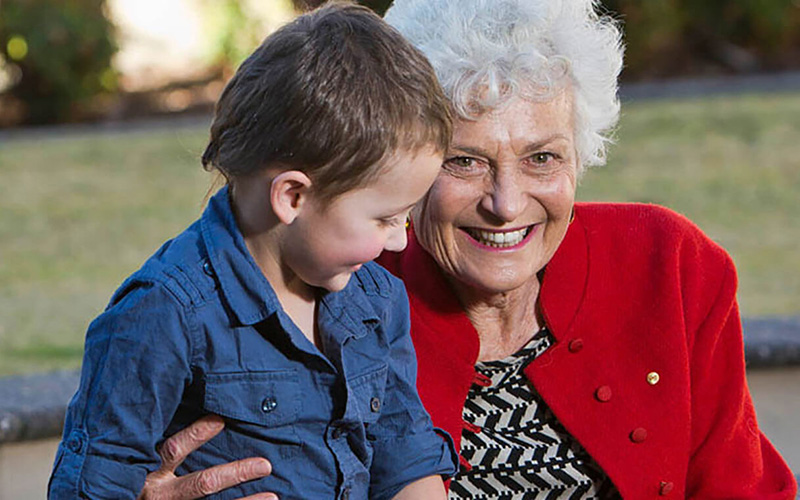
This opinion article was originally published in the West Australian on July 20, 2023.
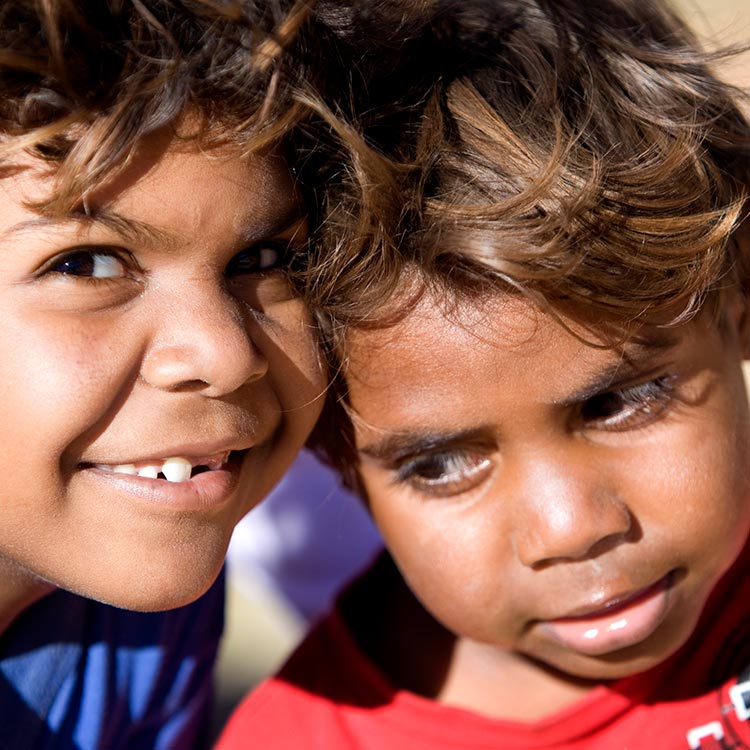
A multi-disciplinary team of researchers will use more than 40 years of data to pinpoint crucial areas that could be “turning points” in development where intervention could contribute to closing the gap in Aboriginal health in Australia.

A large-scale study of the epigenetic landscape of Indigenous Australians could help tackle chronic diseases faced by Aboriginal and Torres Strait Islander people.

A project, lead by Aboriginal and Aboriginal LGBTQA+ researchers examining the mental health of young Aboriginal and Torres Strait Islander LGBTQA+ people, is launching a nation-wide survey, to help drive meaningful change for the community.

Outstanding Aboriginal mental health researcher Professor Juli Coffin has taken out top honours at the 2021 Western Australian Mental Health Awards in recognition of her ground-breaking work to enhance Aboriginal social and emotional wellbeing.

The The Kids Skin Health team has a busy six weeks ahead - visiting nine communities throughout the Kimberley region of WA as part of the first school surveillance activities for the SToP Trial.
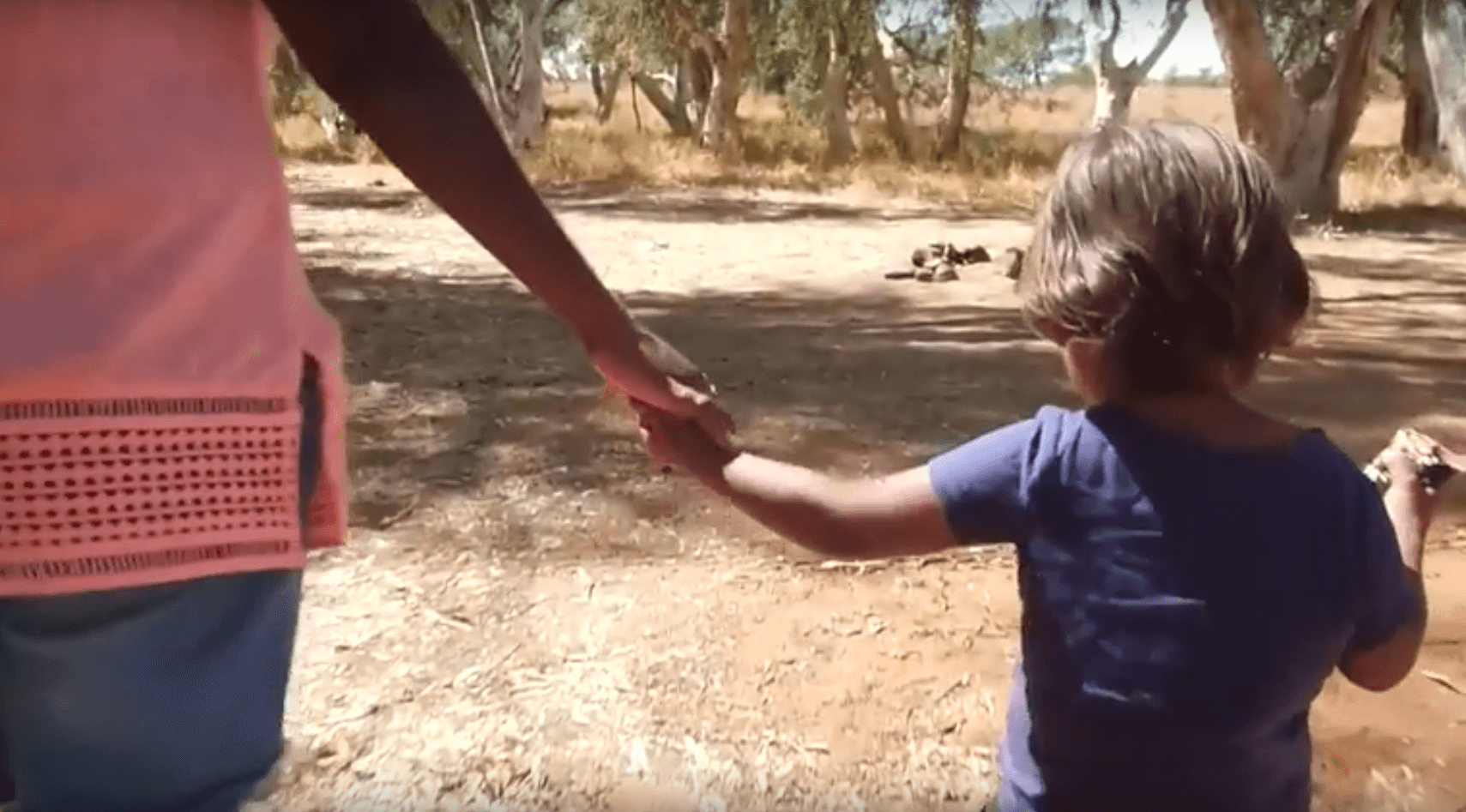
Aboriginal mum and child
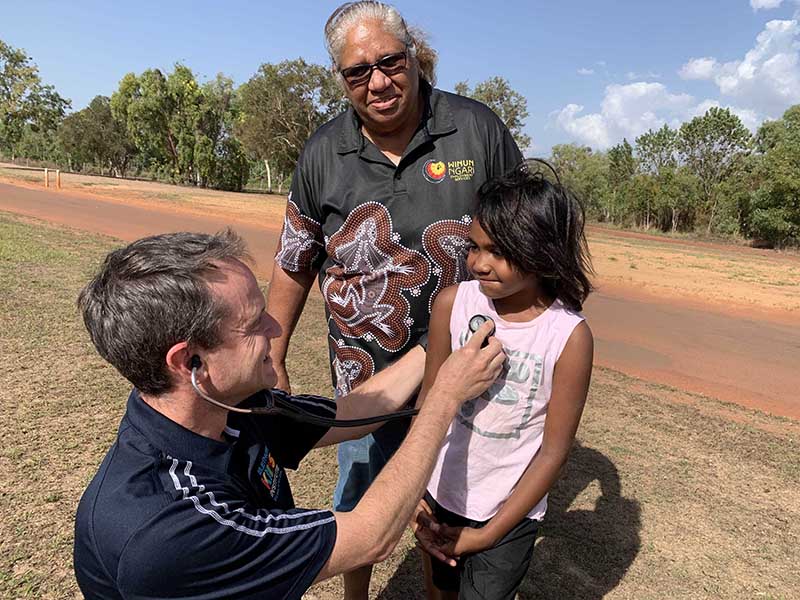
The Kids Research Institute Australia and Perth Children’s Hospital clinician-researchers have found more than one in ten children across four remote Kimberley communities have protracted bacterial bronchitis.