
Search
The aim of this study is to compare temperament scores from the original Revised Infant Temperament Questionnaire against scores from a large...
Relative risks of developmental vulnerability for each week of gestation were calculated with adjustment for confounders and addressing missing information.
Parental investments in children are an important determinant of human capability formation.

Two leading The Kids Research Institute Australia researchers will use more than $1.1 million in National Health and Medical Research Council funding to improve outcomes for some of the world’s most vulnerable children and young people.

New research by The Kids Research Institute Australia has found children who attend playgroups achieve better early primary school outcomes.
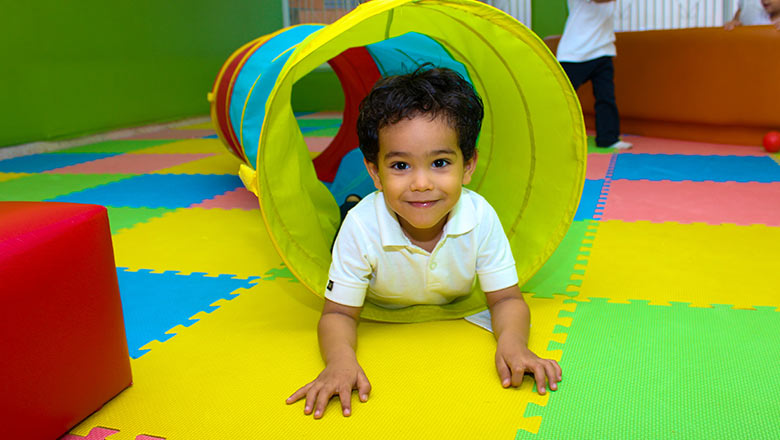
National Playgroup Week, the annual event run by Playgroup Australia, will take place across the country from 20 March to 27 March.

The national report released today from the Australian Early Development Census (AEDC) shows that in 2015, most children in Australia were on track.
In all six countries, child development scores increased with age and urban children consistently performed better than rural children
We examined associations between developmental vulnerability profiles determined at the age of 5 years and subsequent childhood mental illness between ages 6 and 13 years in an Australian population cohort.
The New South Wales Child Development Study was established to enable a life course epidemiological approach to identifying risk and protective factors