
Search
Parents of children with attention-deficit/hyperactivity disorder (ADHD) often make disclosure decisions about their child's ADHD on their behalf. While disclosure can facilitate access to support, it risks stigma. Despite ADHD being one of the most common neurodevelopmental conditions, little is known about parent's experiences in relating information about their child's ADHD diagnosis or medication use, to others.
Aboriginal and Torres Strait Islander Peoples are custodians of one of the oldest living societies; however, the continued impact of colonisation has led to profound trauma and loss which has spanned generations.
The construct of empowerment is associated with beneficial outcomes in numerous populations with well-being across multiple domains. Within families, empowerment has been found to be related to both parent and child well-being. As such, empowerment appears to be a promising concept to support parents of young (< 18 years) trans and gender diverse children and adolescents; however, what empowerment means for parents of trans children and adolescents is not known.
The prevalence of child and adolescent breakfast skipping is concerning, and limited existing evidence suggests an association between skipping breakfast and negative emotional wellbeing outcomes. However, positive emotional wellbeing outcomes have been neglected from research in this space.
Dissociation can exist along a continuum from normal developmental experiences to severe and contributing to persistent mental illness and impeding normal development. It can also occur as a discreet symptom in a range of disorders or as a disorder itself, and can change depending on a number of factors such as the age and stage of development.

Megan is a training specialist on the Healing Kids, Healing Families Team.

Ines is a Senior Research Officer on the Healing Kids, Healing Families team.
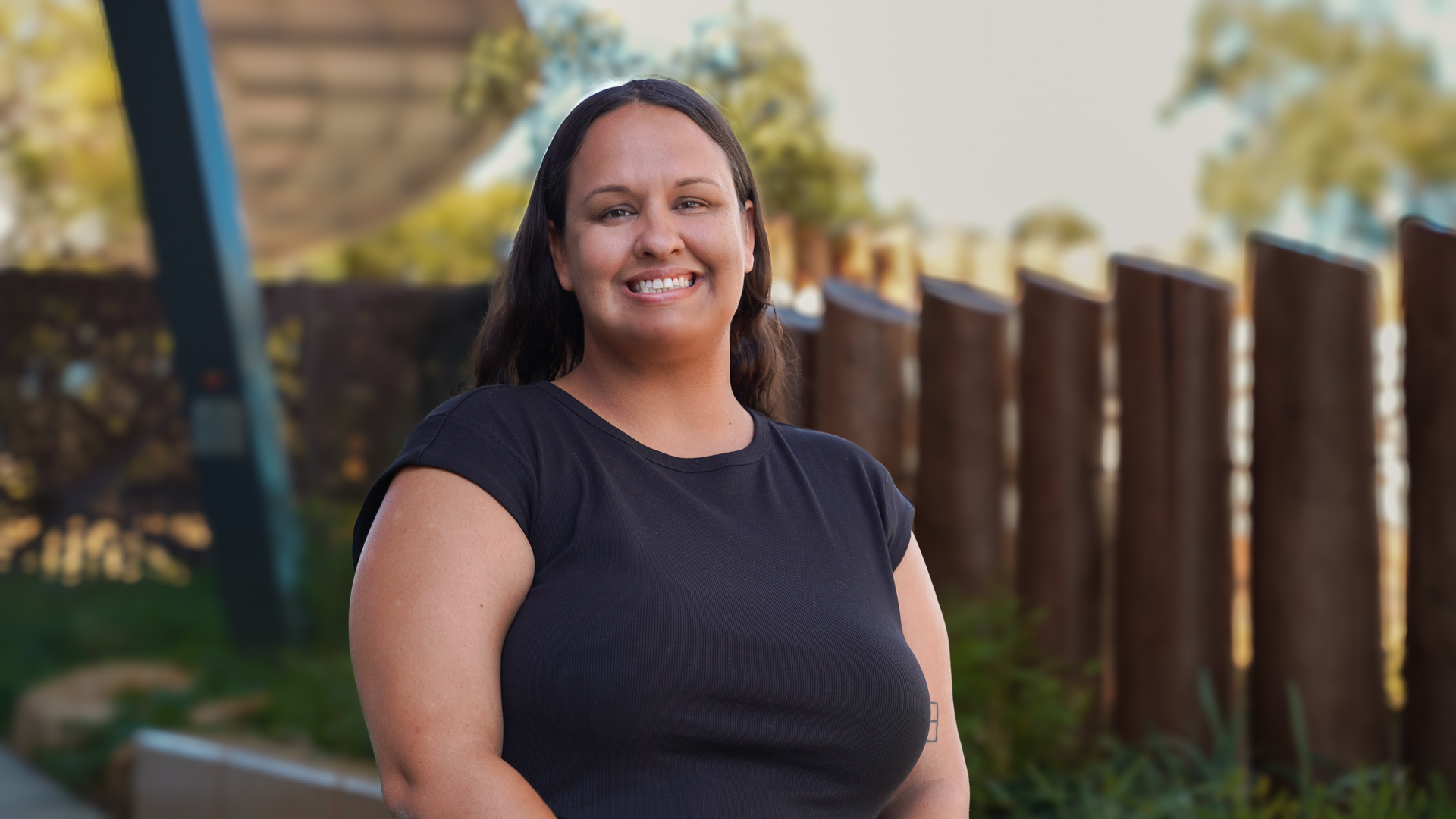
The staff bio of Sarah Cattermole

Amanda is a Certified Child Life Specialist and has a Bachelor of Science in Psychology and Master of Arts in Education with an emphasis on Child Life in Hospitals and Early Childhood Education.
LGBTIQA + people experience intimate partner violence (IPV) at higher rates than non-LGBTIQA + people but under-utilize professional support services, and the reasons for this are poorly understood. This study examined IPV experiences, recognition of IPV, service utilization, and support needs among a self-selected sample of 523 LGBTIQA + adults in Western Australia.