
Search
Nine out of ten incarcerated youth examined by The Kids researchers as part of a ground-breaking study had some form of neuro-disability.

The Kids Research Institute Australia researchers have confirmed that skin infections in many Aboriginal children across northern Western Australia are going unrecognised.
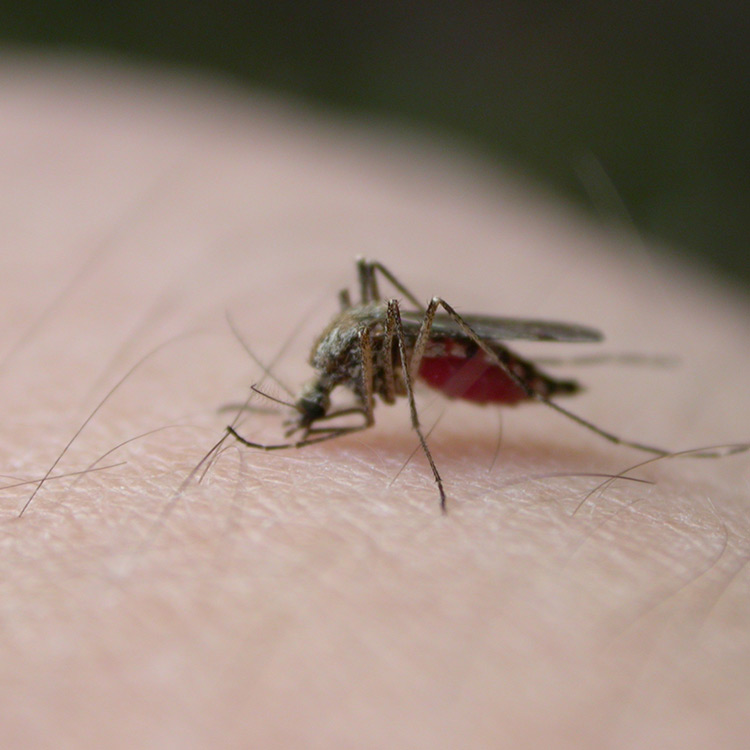
WA Researchers have conducted an Australian-first study to determine the prevalence of microcephaly, in preparation of any future outbreak of the Zika virus.
Socio-economic spatial patterning of fast-food outlets can result in disparities in the availability and access of food across geographic areas, contributing to health inequalities. This study investigated whether area-level socio-economic disparities exist in fast-food availability across the Perth metropolitan region of Western Australia.
With immune checkpoint therapy (ICT) having reshaped the treatment of many cancers, the next frontier is to identify and develop novel combination therapies to improve efficacy. Previously, we and others identified beneficial immunological effects of the vitamin A derivative tretinoin on anti-tumour immunity.
There is growing evidence that lung function in early-life predicts later lung function. Adverse events over the lifespan might influence an individual’s lung function trajectory, resulting in poor respiratory health. The aim of this study is to identify early-life risk factors and their impact on lung function trajectories to prevent long-term lung impairments.
Otitis media (OM) is one of the most common infections in young children, arising from bacterial and/or viral infection of the middle ear. Globally, Streptococcus pneumoniae and non-typeable Haemophilus influenzae (NTHi) are the predominant bacterial otopathogens. Importantly, common upper respiratory viruses are increasingly recognized contributors to the polymicrobial pathogenesis of OM.
The translation gap between knowledge production and implementation into clinical practice and policy is an ongoing challenge facing researchers, funders, clinicians and policy makers globally. Research generated close to practice and in collaboration with end users is an approach that is recognised as an effective strategy to facilitate an improvement in the relevance and use of health research as well as building research capacity amongst end users.
Influenza is a common cause of acute respiratory infection, and is a major cause of morbidity and mortality. Coronavirus disease 2019 (COVID-19) is an acute respiratory infection that emerged as a pandemic worldwide before the start of the 2020 Australian influenza season.
Christopher Blyth MBBS (Hons) DCH FRACP FRCPA PhD Centre Head, Wesfarmers Centre of Vaccines and Infectious Diseases; Co-Head, Infectious Diseases