
Search
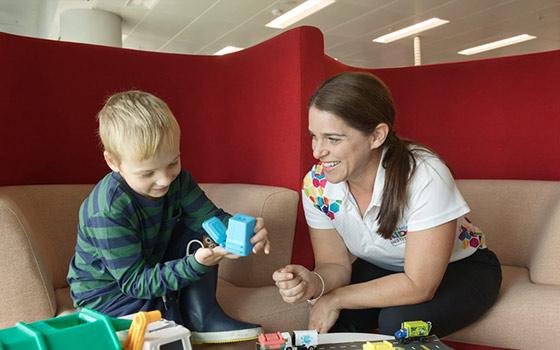
Our vision is to increase awareness and improve outcomes for children with movement disorders and other neurodevelopmental conditions impacting on motor function.
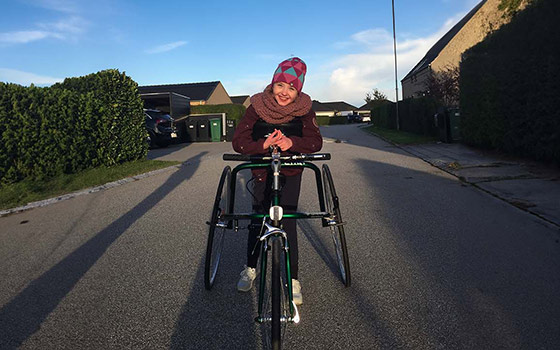
We aim to ensure that high quality outcome measures are available to evaluate treatments and services for children with disability rigorously. We aim to translate our research into resources to support families, carers and clinicians.
A non-progressive motor disability due to damage of the developing brain, this is the most common physical disability in childhood. Affecting about one in 500 babies, it is frequently accompanied by other neurological impairments, such as intellectual or sensory.
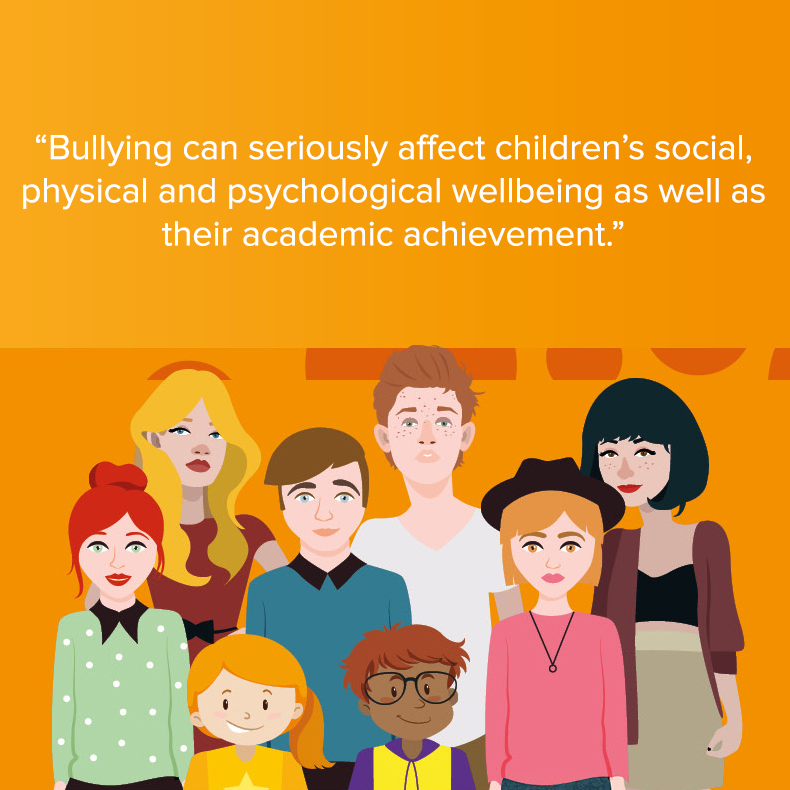
Infographics to easily learn more about bullying and what actions to take should bullying be an issue in your school or community.
In Vitro Fertilisation (IVF) is an Assisted Reproductive Technology (ART) in which an egg is fertilised by sperm outside the body.
Vaccination is the injection of an inactivated bacteria or virus into the body. This simulated infection allows an individual's immune system to develop an adaptive immunity for protection against that type of illness. When a sufficiently large percentage of a population has been vaccinated, this results in herd immunity.
Diabetes is the name for a number of different metabolic disorders in which the body's healthy levels of blood sugar (glucose) can't be maintained.Diabetes can have a significant impact on quality of life should complications develop. Diabetes can affect the individual's entire body.
Glue ear is when a child's middle ear fills with sticky fluid behind the ear drum. A common condition, glue ear usually goes undetected, as it's not an obvious condition from the outside.
Occurring in 1% of school-aged children, Tourette syndrome is a neurodevelopmental disorder characterised by uncontrollable movements and vocalisations known as tics.
Leukaemia, also spelled leukemia, is a cancer that develops in the bone marrow and results in abnormal white blood cells. It is the most common cancer in children, accounting for almost a third of all childhood & teen cancers.