Skip to content
The Kids Research Institute Australia logo
Donate

No results yet

Search

Research

Pseudomonas aeruginosa modulates neutrophil granule exocytosis in an in vitro model of airway infection

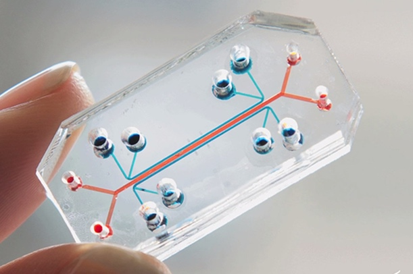
A population of neutrophils recruited into cystic fibrosis (CF) airways is associated with proteolytic lung damage, exhibiting high expression of primary granule exocytosis marker CD63 and reduced phagocytic receptor CD16. Causative factors for this population are unknown, limiting intervention. Here we present a laboratory model to characterize responses of differentiated airway epithelium and neutrophils following respiratory infection.

Research

Characterisation of lung function trajectories and associated early-life predictors in an Australian birth cohort study

There is growing evidence that lung function in early-life predicts later lung function. Adverse events over the lifespan might influence an individual’s lung function trajectory, resulting in poor respiratory health. The aim of this study is to identify early-life risk factors and their impact on lung function trajectories to prevent long-term lung impairments.

Research

Official ERS technical standard: Global Lung Function Initiative reference values for static lung volumes in individuals of European ancestry

Measurement of lung volumes across the life course is critical to the diagnosis and management of lung disease. The aim of the study was to use the Global Lung Function Initiative methodology to develop all-age multi-ethnic reference equations for lung volume indices determined using body plethysmography and gas dilution techniques.

Cystic Fibrosis

Cystic fibrosis (CF) is the most common life‐shortening genetic disease affecting children.
Clinical Trials, Platforms & Cohorts

Learn more about all of the Clinical Trials, Platforms & Cohorts at the Wal-yan respiratory centre.

The facts

On average, a person can expect to take more than 700 million breaths in their lifetime.

Asthma

Respiratory disease is a global issue and international networks are critical to informing best-practice approaches to the clinical care and management of childhood respiratory health.

Research

An infant mouse model of influenza-driven nontypeable Haemophilus influenzae colonization and acute otitis media suitable for preclinical testing of novel therapies

Nontypeable Haemophilus influenzae (NTHi) is a major otitis media (OM) pathogen, with colonization a prerequisite for disease development. Most acute OM is in children <5 years old, with recurrent and chronic OM impacting hearing and learning. Therapies to prevent NTHi colonization and/or disease are needed, especially for young children. Respiratory viruses are implicated in driving the development of bacterial OM in children.

News & Events

Funding boost for cancer, antimicrobial resistance, and pain management treatments

The Kids Research Institute Australia researchers will share in $2.3 million awarded by the Western Australian Department of Health Innovation Seed Fund.

News & Events

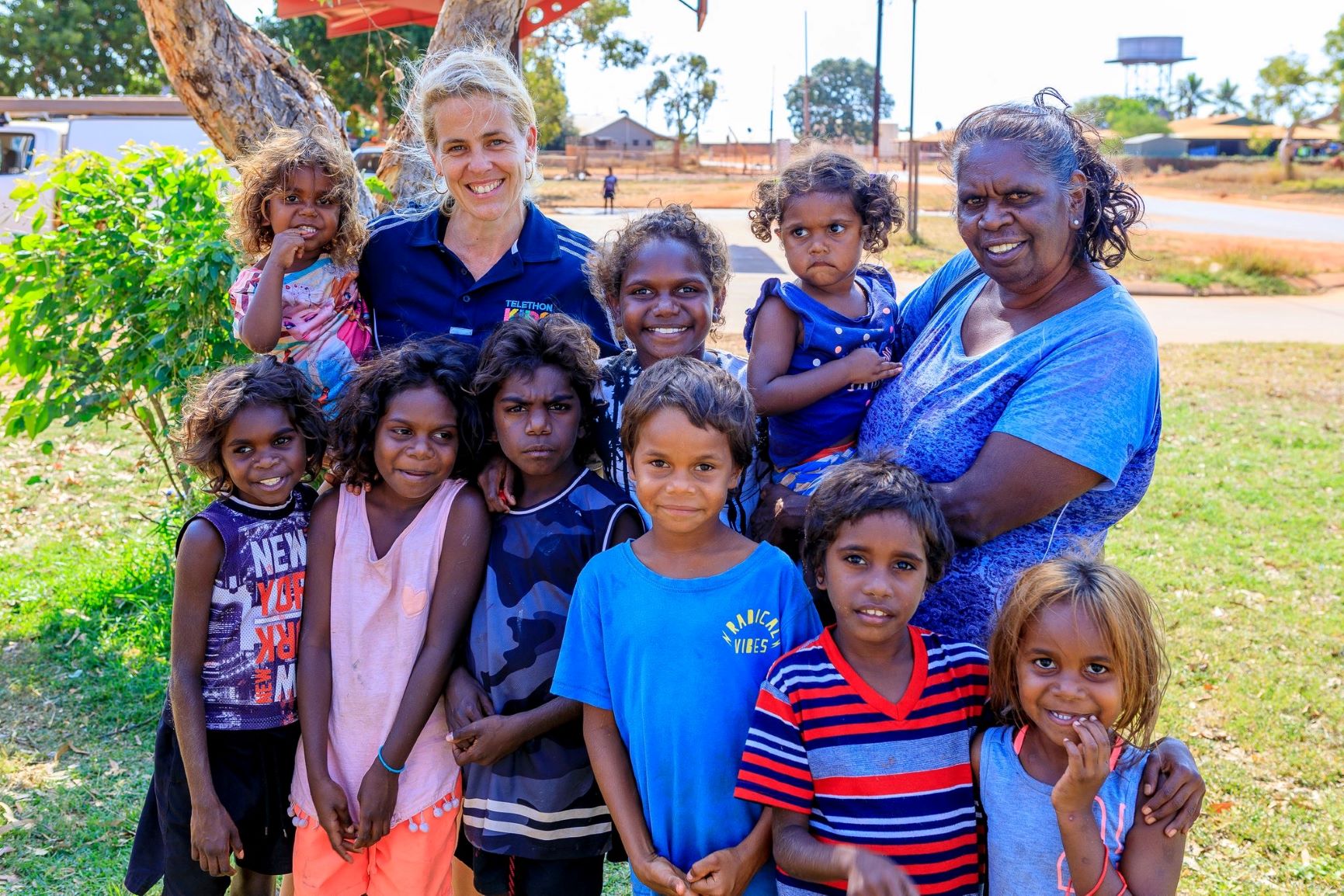
Community connections key to improving children’s lung health

The key to improving the lung health of Aboriginal children lies in establishing strong community connections.