
Search
Individuals with cystic fibrosis (CF) are given antimicrobials as prophylaxis against bacterial lung infection, which contributes to the growing emergence of multidrug resistant (MDR) pathogens isolated. Pathogens such as Pseudomonas aeruginosa that are commonly isolated from individuals with CF are armed with an arsenal of protective and virulence mechanisms, complicating eradication and treatment strategies.
Neutrophil elastase is a significant risk factor for structural lung disease in cystic fibrosis, and Pseudomonas aeruginosa airway infection is linked with neutrophilic inflammation and substantial respiratory morbidity. We aimed to evaluate how neutrophil elastase (NE) activity changes after P. aeruginosa eradication and influences early disease outcomes. We assessed participants in the AREST CF cohort between 2000 and 2018 who had P. aeruginosa cultured from their routine annual bronchoalveolar lavage (BAL) fluid and who underwent eradication treatment and a post eradication BAL. Factors associated with persistent P. aeruginosa infection, persistent neutrophilic inflammation following eradication and worse structural lung disease one year post-eradication were evaluated.
In this cohort, as compared with the AREST CF cohort, the authors highlight the limited correlation between infection and inflammation with lung function and structural impairment, and that this was mainly explained by the mild changes identified in lung function and on chest CT scan.
Antisense oligonucleotides are an emerging therapeutic option to treat diseases with known genetic origin. In the age of personalised medicines, antisense oligonucleotides can sometimes be designed to target and bypass or overcome a patient's genetic mutation, in particular those lesions that compromise normal pre-mRNA processing. Antisense oligonucleotides can alter gene expression through a variety of mechanisms as determined by the chemistry and antisense oligomer design.
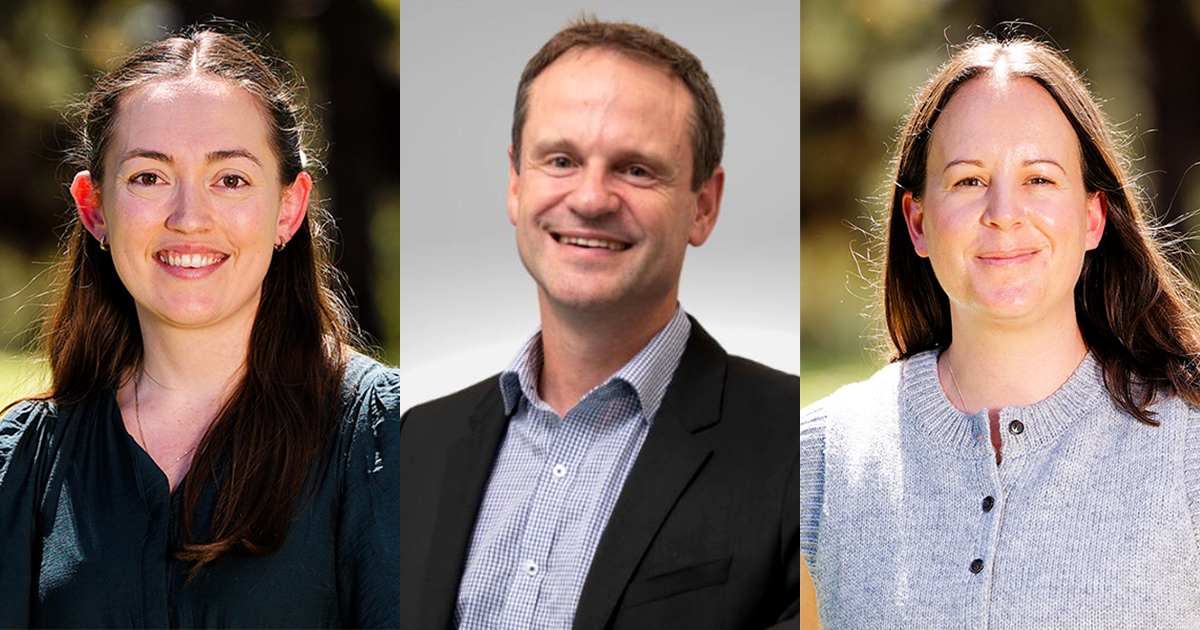
The Wal-yan Respiratory Research Centre is thrilled to see three researchers awarded prestigious Medical Research Future Fund (MRFF) Chronic Respiratory Conditions grants to improve lung health in children.
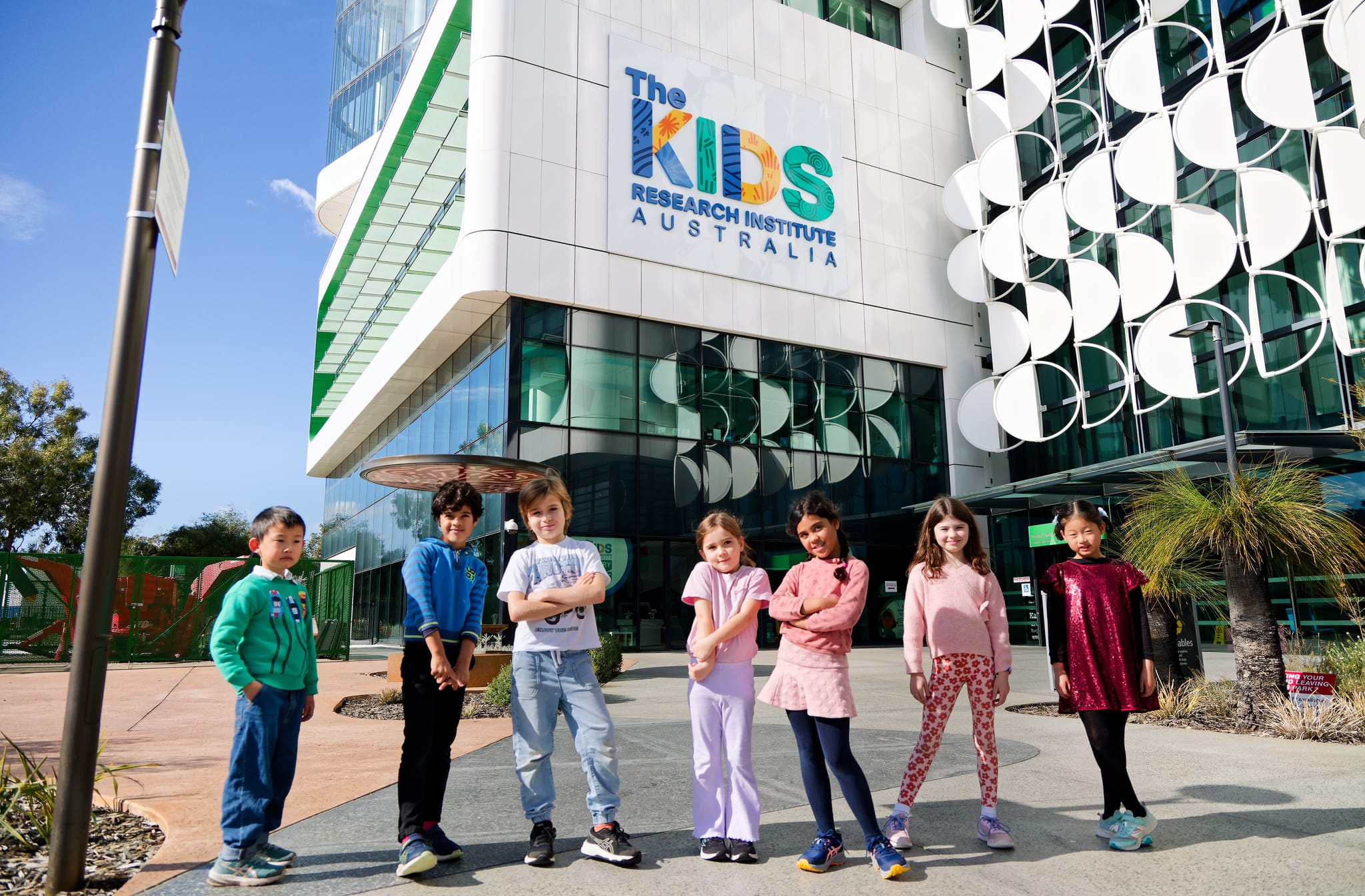
Researchers from The Kids Research Institute Australia will share in almost $4 million in grants to continue groundbreaking research to tackle childhood cancer, asthma, respiratory viral infections and more.

Two researchers from The Kids Research Institute Australia’s Wal-yan Respiratory Research Centre have secured lucrative fellowships to advance cutting-edge phage therapy research for people living with cystic fibrosis (CF).

Two leading researchers from The Kids received significant endorsements to advance their research at last night’s Thoracic Society of Australia and New Zealand and the Australian and New Zealand Society of Respiratory Science (TSANZSRS) Annual Scientific Meeting in Adelaide.
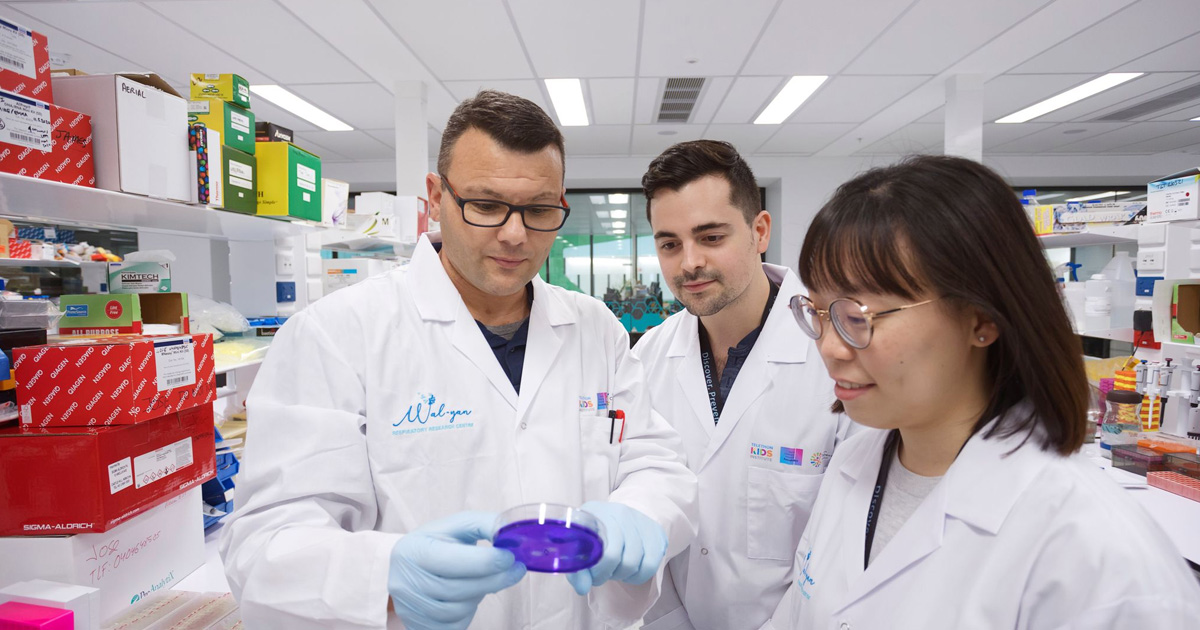
A $350,000 Cure4 Cystic Fibrosis grant is set to propel the Wal-yan Respiratory Research Centre’s Phage WA program forward, supercharging its fight against antimicrobial resistant (AMR) lung infections in people with Cystic Fibrosis (CF) using cutting-edge phage therapy.
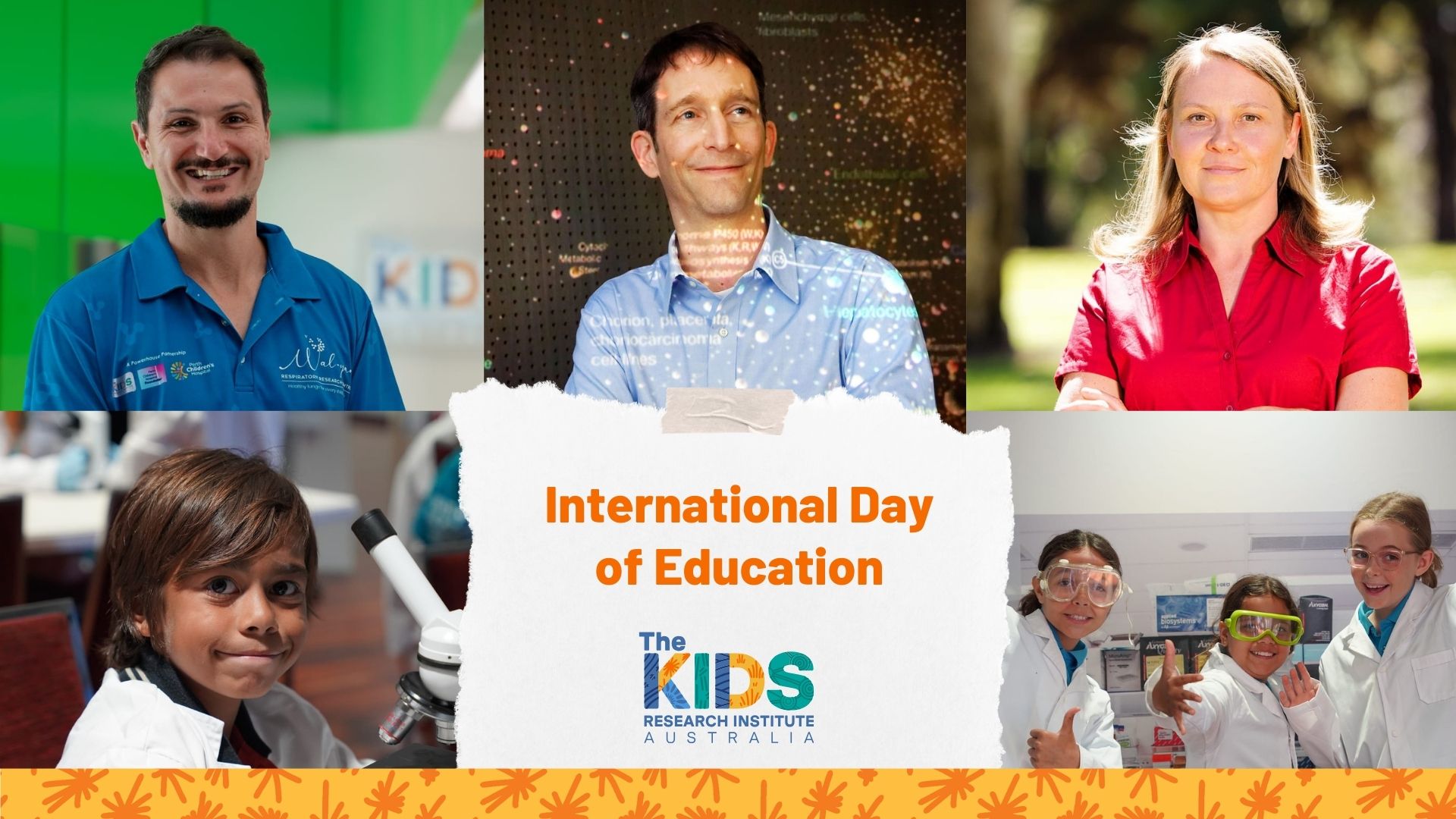
Today, 24 January 2025, is International Day of Education, a global celebration of the power of learning to transform lives. This year’s theme, “AI and Education: Preserving Human Agency in an Automated World”, underscores the critical role of education in preparing kids for a future increasingly shaped by AI.