
Search
In March we emailed all active clients a survey. The purpose of the survey was to understand how you see our service; understand what was important to you; find out what you would change, and see how likely you were to recommend or refer us.

Welcome to Natalie and Linda who have joined the CliniKids team. The clinicians work between our Subiaco and Joondalup clinics.
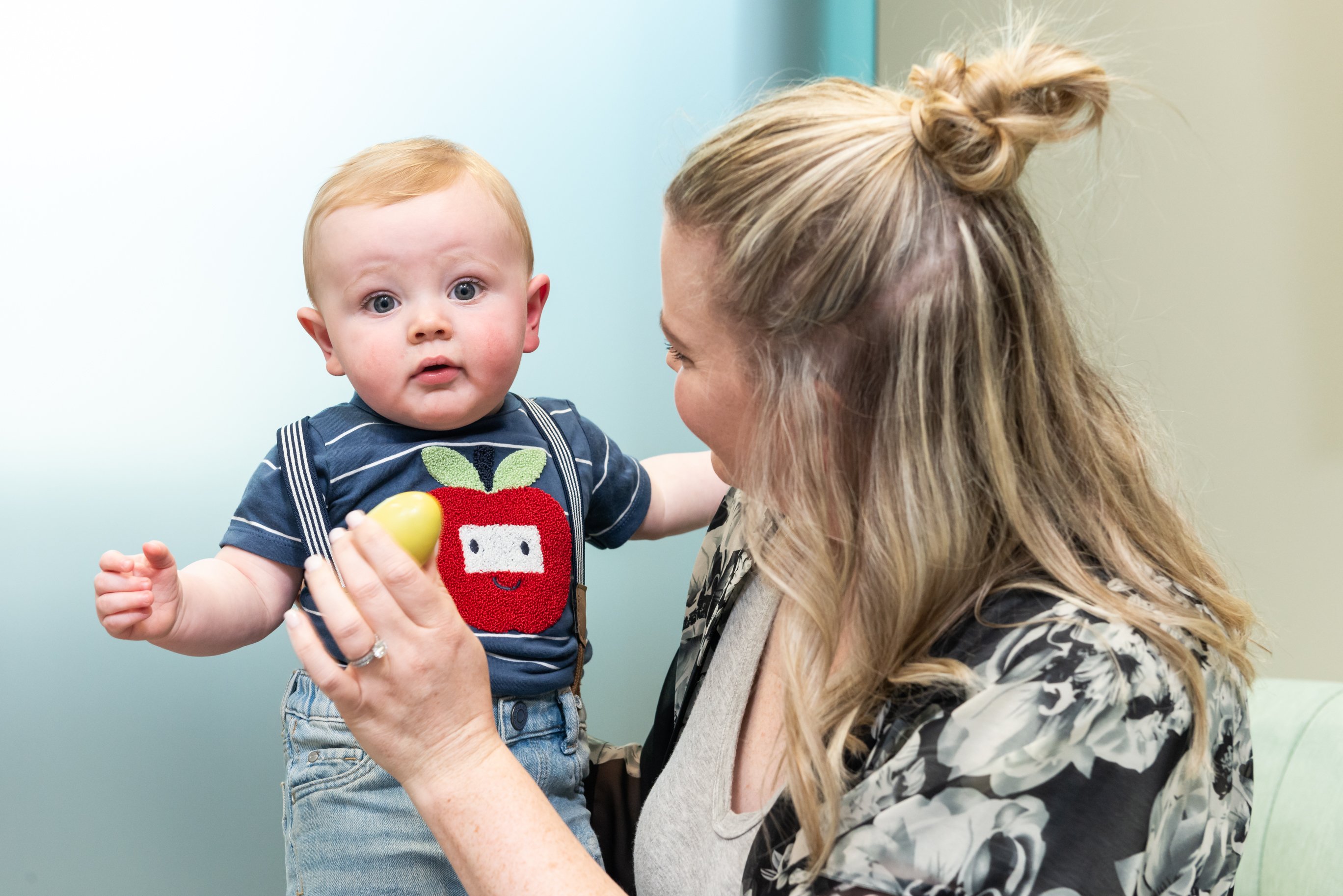
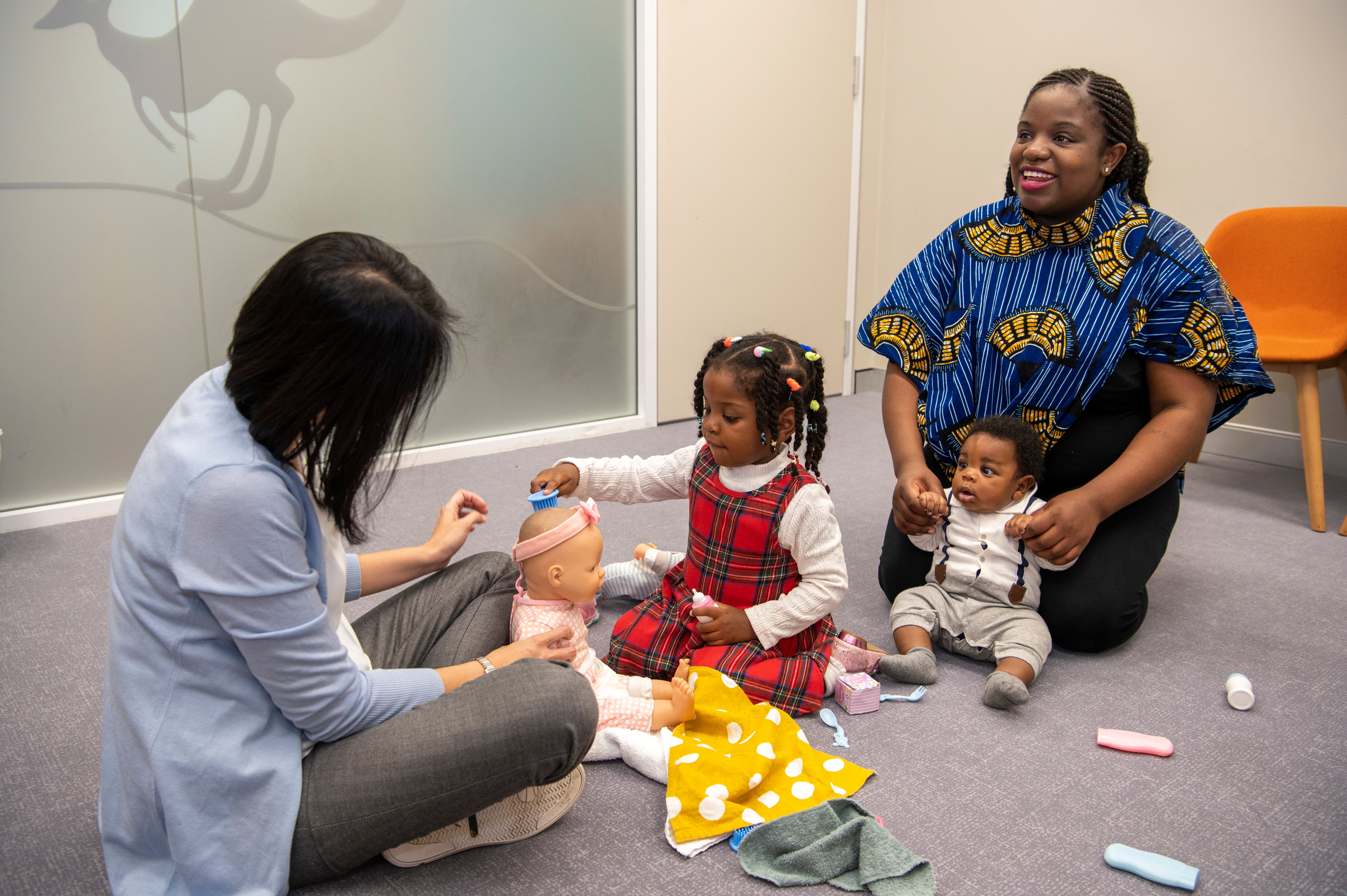
Inklings is a new program for babies aged 6-18 months who are showing early differences in their social interaction and communication development.
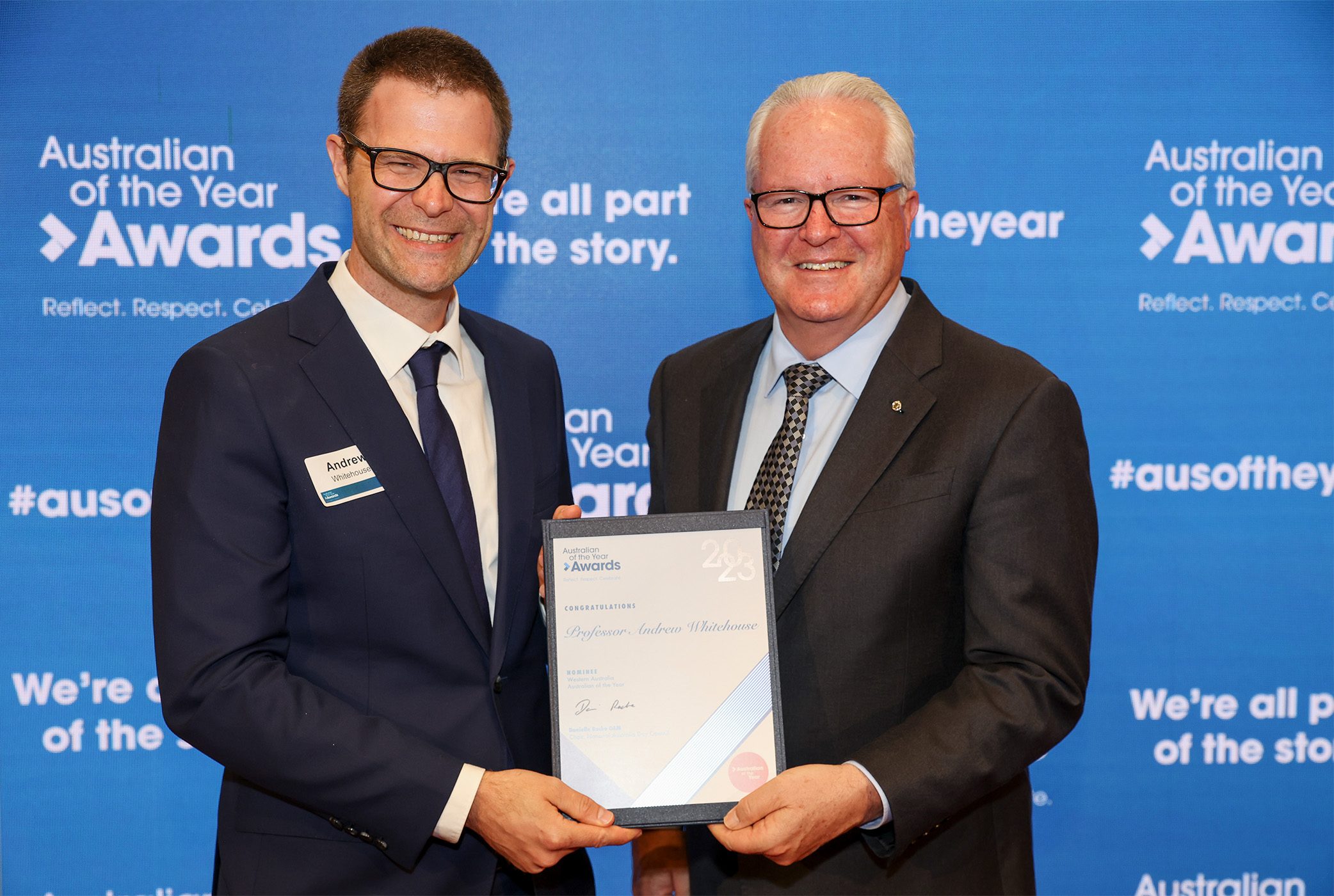
Congratulations to CliniKids Director Professor Andrew Whitehouse on his recent nomination for WA's Australian of the Year Award.
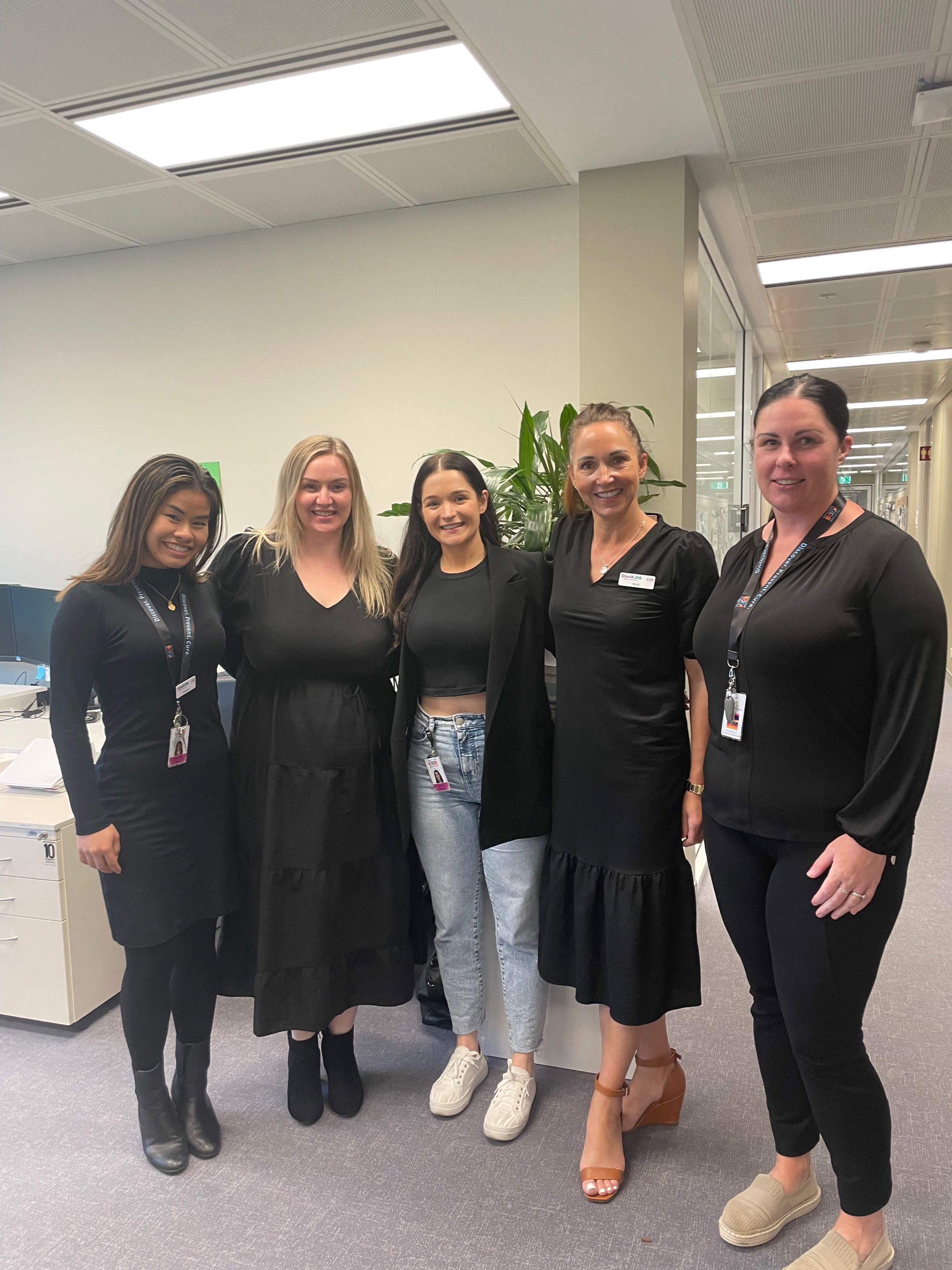
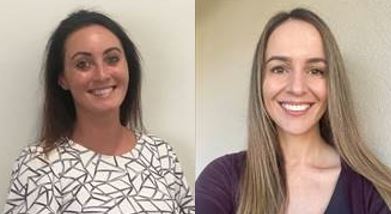
Meet Christina and Danae, the newest members of the Client Support team at CliniKids.
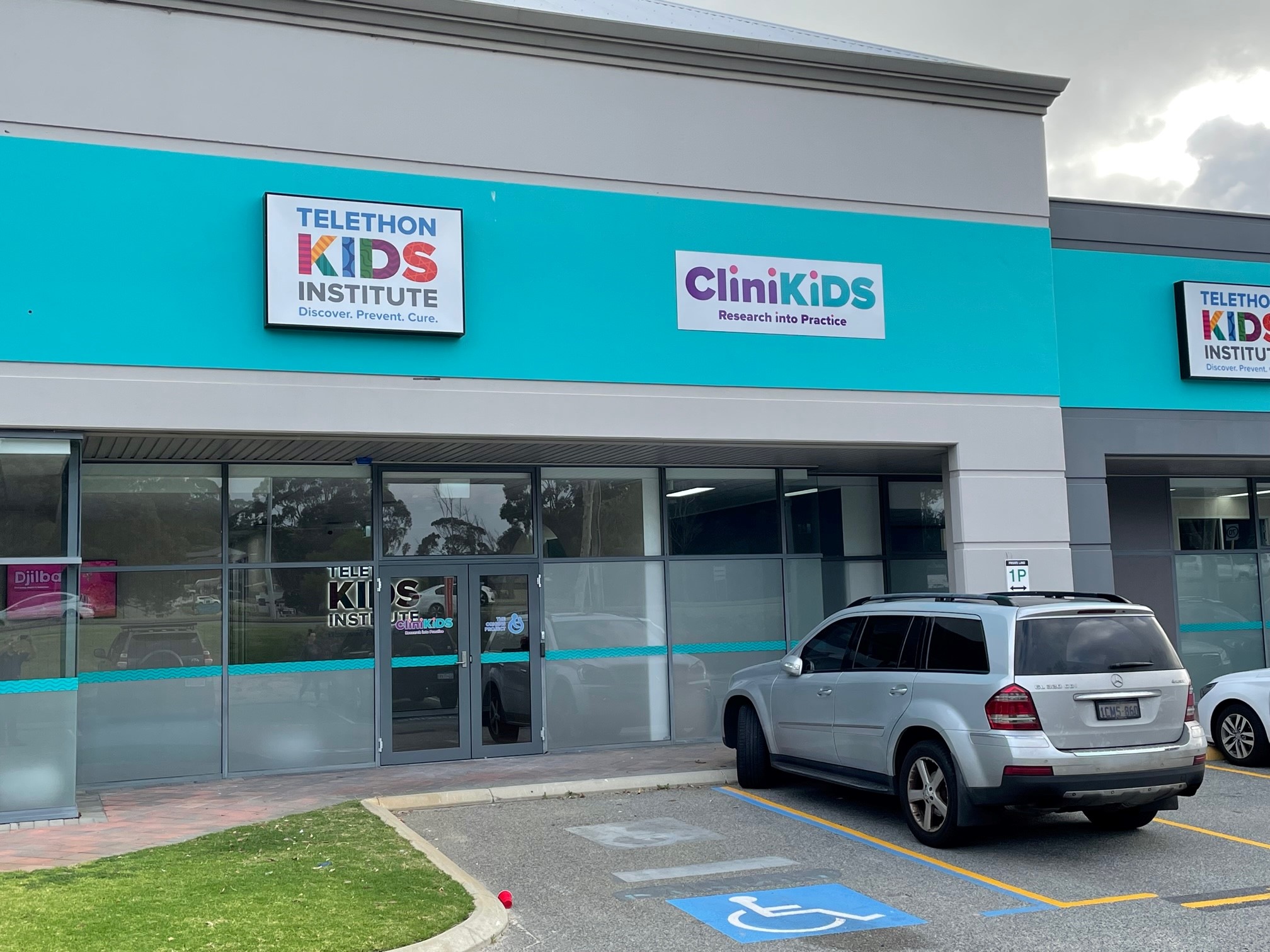
Our new Joondalup clinic opened in late September and has been firing on all cylinders ever since. CliniKids Joondalup has welcomed about 40 new families into the service since opening, with approximately 52 therapy and research appointments scheduled weekly onsite.
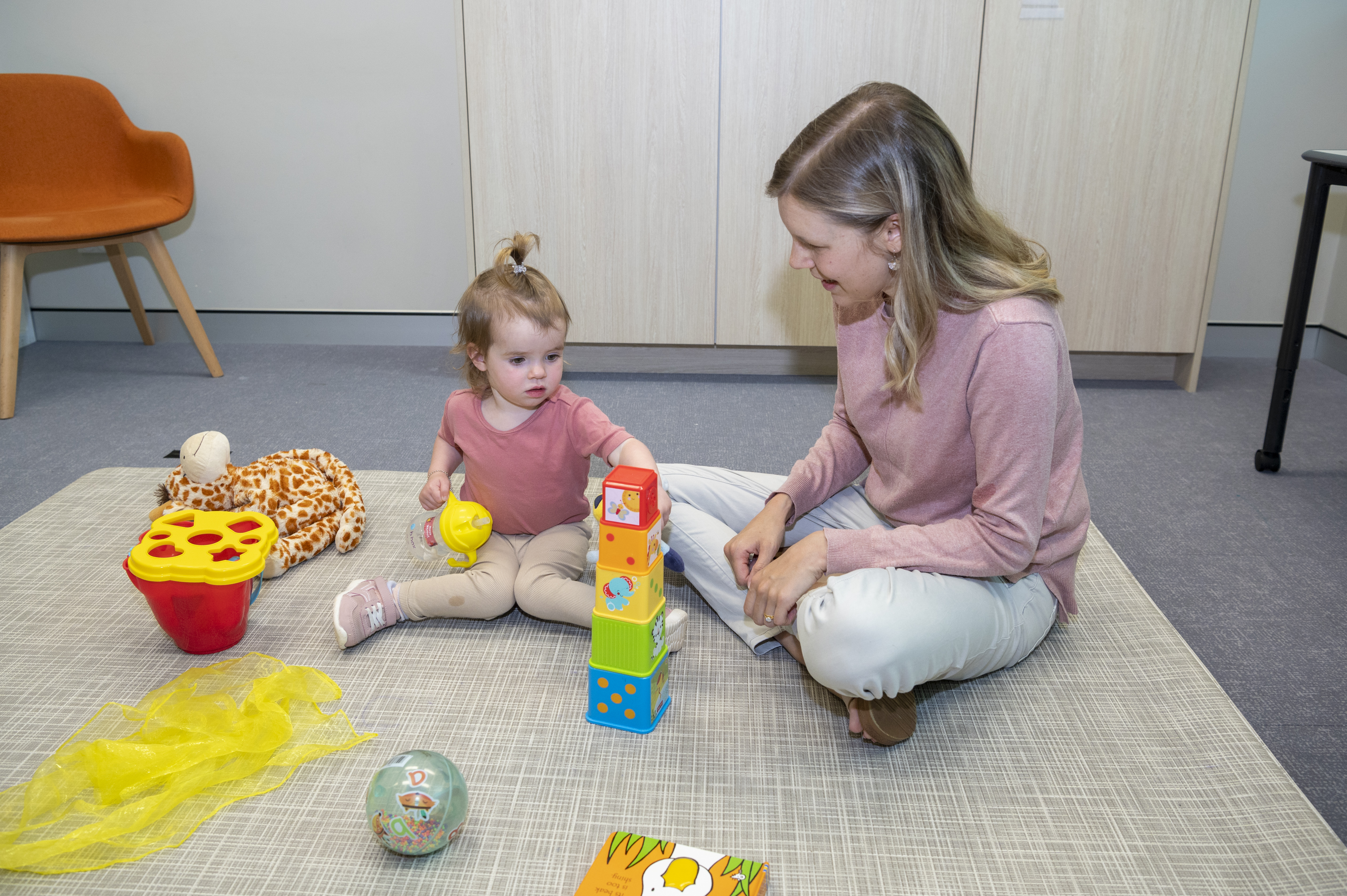
Inklings is a new program at CliniKids which supports early social interaction and communication development in babies aged 6-18 months.
Please note that both the Subiaco and Joondalup clinics will shut down for the Christmas and New Year period from Friday, December 23, through to Wednesday, January 4, inclusive. The clinics will re-open on Thursday, January 5, 2023.
We are excited to announce that our new Joondalup clinic will be open at the start of Term 4!
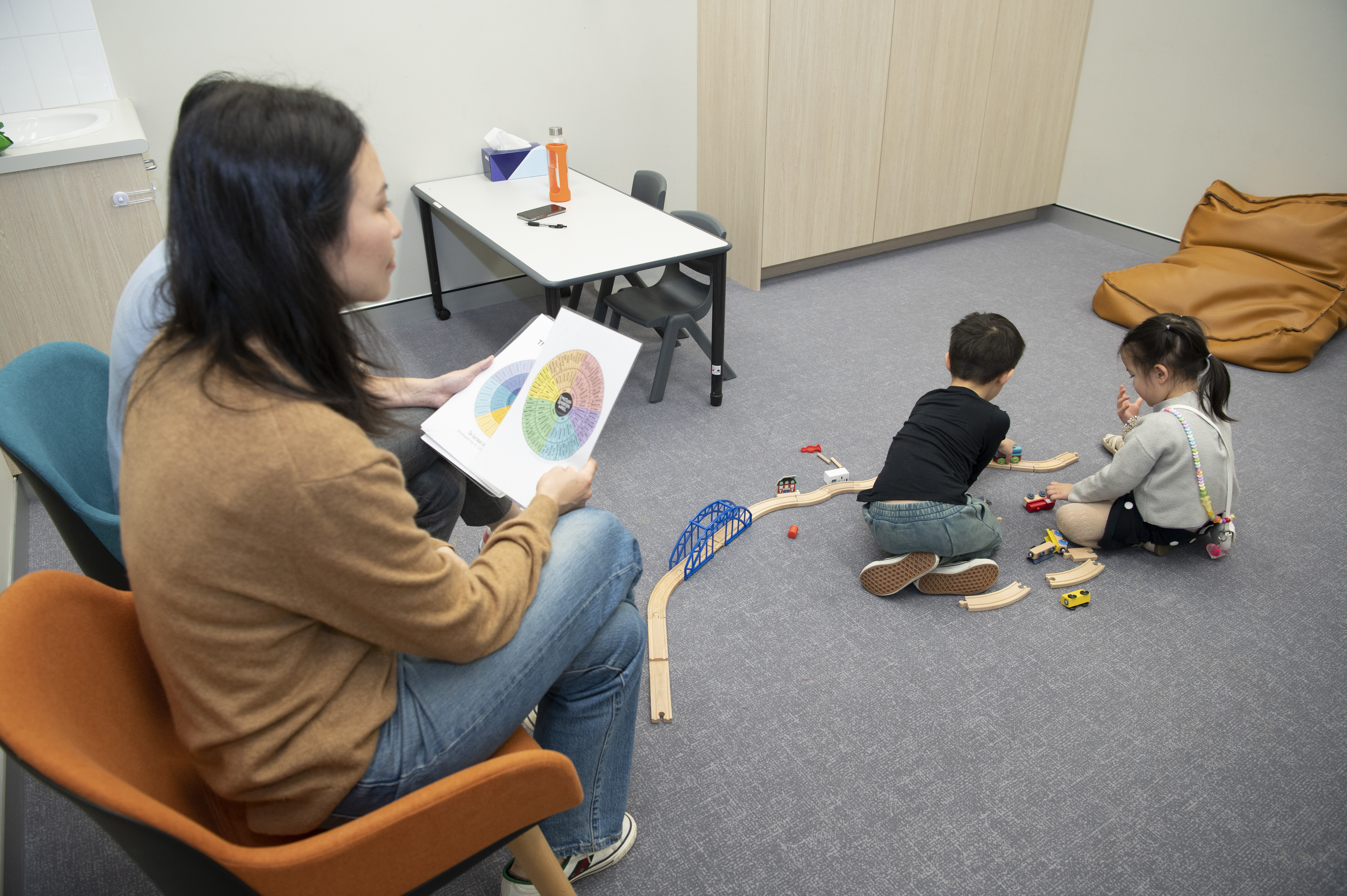
To meet the growing demand for clinical psychology services, as well as provide education and awareness of autism best practice for clinical psychologists, CliniKids is helping to develop and train the next generation of mental health practitioners.