
Search
Social media allows users to connect with others’ experiences and points of view, with TikTok being the fastest-growing platform worldwide. Highly viewed videos related to neurodiversity on TikTok have an increasing role in understanding and acceptance of neurodivergent individuals.
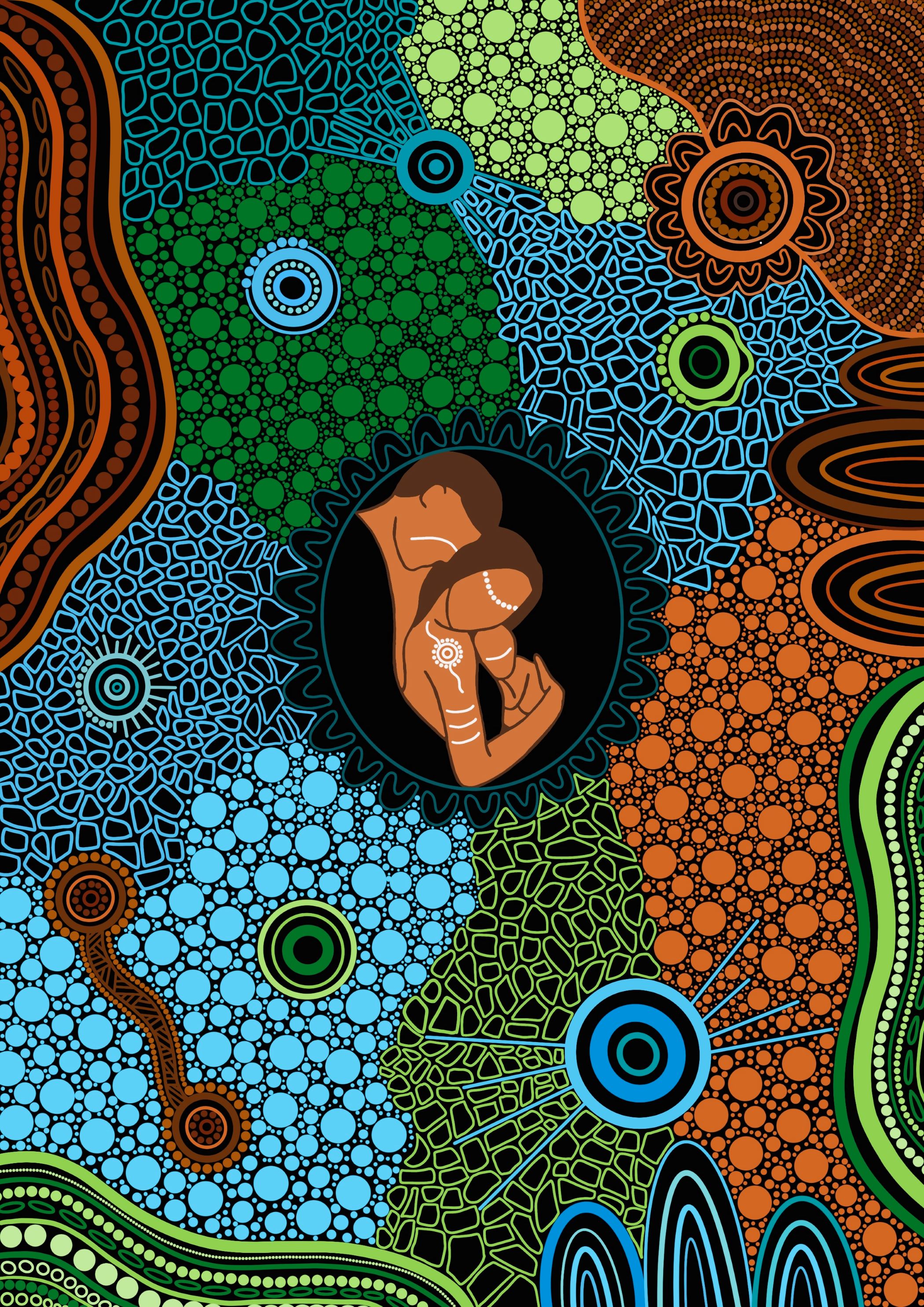
The aim of this project is to develop and implement a culturally safe, responsive and trauma-informed parenting program for Aboriginal and Torres Strait Islander families.
This study investigated the effects of Mindful Self-Compassion (MSC) training on the mental health of gender and sexually diverse young adults (aged 18–25 years) in Australia. A single-blind randomized controlled trial was conducted in 2020–2022 comparing an online-delivered 8-week group MSC training program with a waitlist control.
Dissociation is often distressing, yet how affected adolescents manage dissociation in their daily lives is not well understood. This study aimed to describe the strategies adolescents use to manage dissociative symptoms from the perspective of adolescents themselves, their parents, and their clinicians.
Parents and caregivers often turn to the internet for information about their child's health and development. Research investigating content related to parenting on the world's most popular social media platform, TikTok, has not been conducted.
Dissociative symptoms are associated with a range of negative outcomes, yet little is understood about how adolescents experience dissociation in their daily lives. This study aimed to describe adolescents’ dissociative symptoms from the perspective of adolescents, their parents, and their treating clinicians.
Perceived stigma and self-stigma negatively affect identity-related, psychological and functional outcomes among stigmatised populations. There is limited research exploring the impact of stigma among young people at ultra-high risk (UHR) for psychosis. We investigated the association of perceived stigma and self-stigma with these outcomes in young people at UHR.
Providing a sustainably resourced medical workforce to meet the healthcare needs of a population is a significant challenge. Drivers of medical workforce issues include an ageing population, increasing chronic disease, skill shortages and workforce maldistribution. In this paper, we consider the imbalance between generalism and specialism in Australia, arguing that generalist positions may better address the current healthcare gaps.
This study explored the lived experience of university students with attention-deficit hyperactivity disorder (ADHD) and identified factors that help or hinder their capacity for self-compassion in higher education. Fourteen university students with ADHD aged 18–25 participated in individual semi-structured interviews exploring experiences of self-compassion in academic contexts.
Despite the various traumatic events that a young person living with type 1 diabetes (T1D) may experience, little is known about the burden and manifestation of traumatic stress in this population. Though mental health outcomes have been explored generally, medical trauma-sensitive approaches to understanding these experiences remain limited. We utilised a qualitative descriptive approach to explore the impact of T1D on young people’s mental health through the paediatric medical traumatic stress model.