
Search
The SNP-based heritability for ADHD symptom scores indicates a polygenic architecture, and genes involved in neurite outgrowth are possibly involved
Serotonin (5-HT) is widely implicated as a key neurotransmitter relevant to a range of psychiatric disorders and psychological processes. The role of central nervous 5-HT function underlying these processes can be examined through serotonergic challenge methodologies.
ADHD patients showed substantially diminished intrinsic coupling for 7 connections and increased coupling for 4 connections
Substantial genetic correlations have been reported across psychiatric disorders and numerous cross-disorder genetic variants have been detected. To identify the genetic variants underlying general psychopathology in childhood, we performed a genome-wide association study using a total psychiatric problem score.
Tertiary education is particularly demanding for students with attention-deficit hyperactivity disorder (ADHD), who often struggle with emotion regulation and are at greater risk of internalising disorders compared to their peers. Self-compassion is a skill associated with positive mental health and adaptive emotion regulation that might support students in managing the emotional challenges of studying with ADHD.
The present study aims to investigate the association between an early history of recurrent otitis media (OM) with or without ventilation tube insertion and later behavioural problems in childhood and adolescence.
Attention deficit hyperactivity disorder (ADHD) is the most commonly diagnosed childhood mental health disorder, affecting about 1 in 20 children. It can impact their behaviour, learning and social skills.
Social media allows users to connect with others’ experiences and points of view, with TikTok being the fastest-growing platform worldwide. Highly viewed videos related to neurodiversity on TikTok have an increasing role in understanding and acceptance of neurodivergent individuals.
A problem that applied researchers and practitioners often face is the fact that different institutions within research consortia use different scales to evaluate the same construct which makes comparison of the results and pooling challenging.
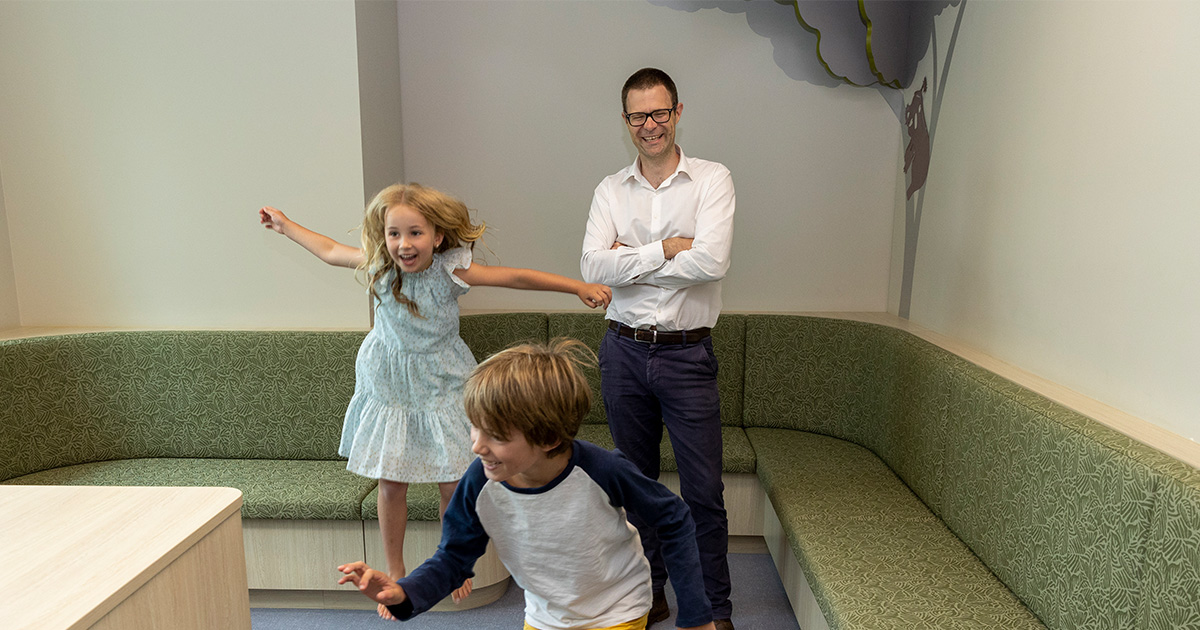
The Kids Research Institute Australia's Professor Andrew Whitehouse and Sarah Pillar share four things families can do to support their child while waiting to receive an ADHD or autism diagnostic assessment.