
Search
Children are often exposed to unhealthy outdoor food advertisements during the school commute. This exposure can have negative public health consequences given childhood weight gain has been linked to the marketing of energy-dense and nutrient-poor foods. This study aimed to explore schoolchildren's lived experiences and attitudes towards outdoor advertising surrounding their schools.
Promoting healthy eating and physical activity in early childhood education and care is recommended within guidelines and supported by health promotion programs; however, implementation is suboptimal. Evidence suggests implementation within the sector varies over time; however, this has not been empirically examined in relation to implementation barriers.

Congratulations to six researchers from The Kids Research Institute Australia, who will use valuable support from the Raine Medical Research Foundation’s 2024 grant round to undertake projects focused on improving the health and wellbeing of babies, children and young people.
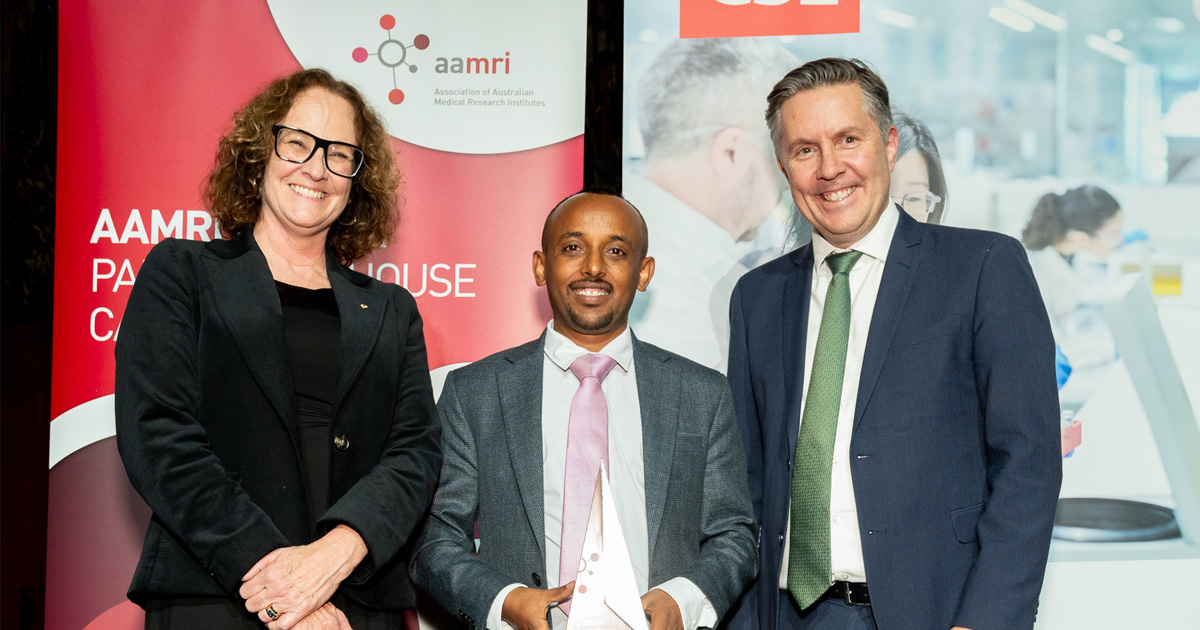
Dr Kefyalew Alene, who heads the Geospatial and Tuberculosis team at The Kids and is a senior research fellow within the Curtin School of Population Health, has used cutting edge technology to transform the way TB transmission is predicted, understood and managed globally.
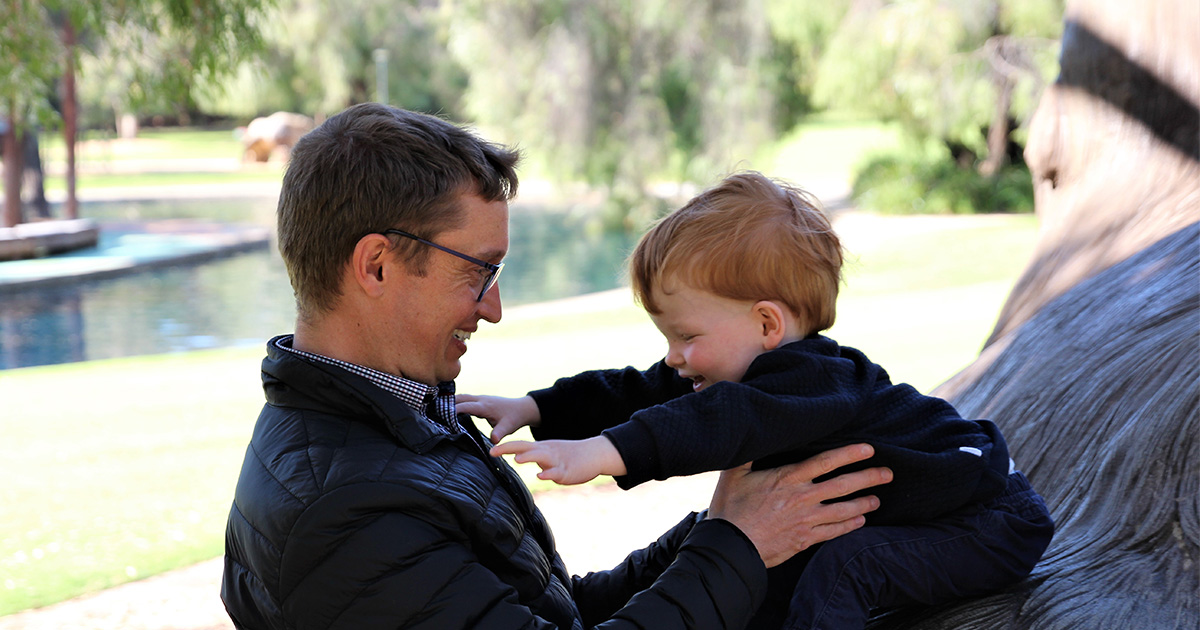
A project that will investigate the role of Australian fathers in their children’s wellbeing and another which aims to help parents grapple with the digital world and its role in teens’ mental health have received significant funding from the Australian Research Council.

A The Kids Research Institute Australia PhD student has been awarded Western Australia’s only 2022 postgraduate scholarship by the National Health and Medical Research Council
A new The Kids Research Institute Australia-led report into the impact of state and national policy on children’s health has called for kids and families to have more say when it comes
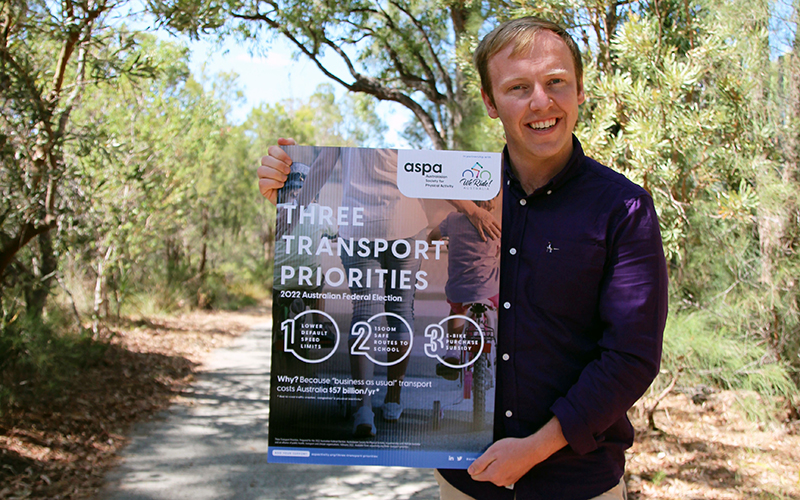
The Kids Research Institute Australia has backed a series of transport priorities to keep children safer on the roads, boost physical activity levels, and save the economy billions of dollars.
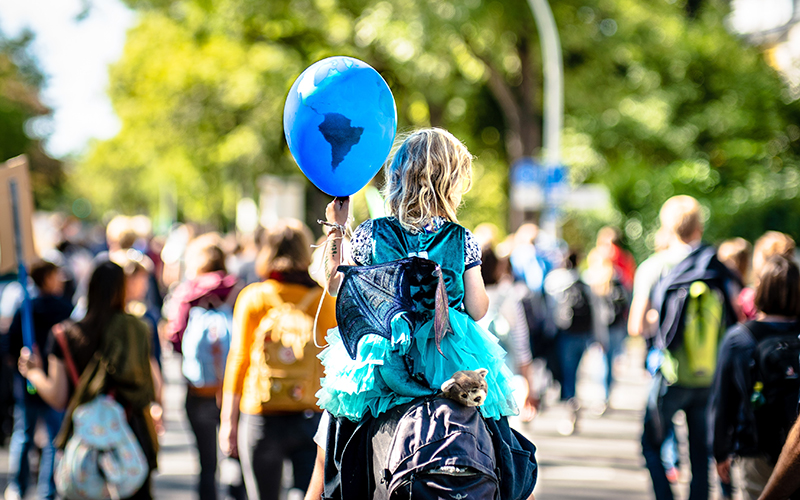
The Kids Research Institute Australia supports calls from the Intergovernmental Panel on Climate Change (IPCC) for transformational action if we are to secure a liveable future.
Food retail and food service outlets can be part of a chain, or independently operated. Chain food outlets are likely to have the most influence over community food environments but have not been routinely identified in studies which map and monitor access to food, highlighting an important knowledge gap. This study aimed to identify the food retail and food service outlets present within metropolitan Perth, including presence of chain and independent food outlets; and examine differences across local governments.