
Search
Ensitrelvir, a 3C-like protease inhibitor, received emergency approval in Japan in November 2022 for treating non-hospitalized patients with mild-to-moderate COVID-19. However, confirmation of its real-world clinical effectiveness is limited.
Cow's milk allergy is rare in exclusively breastfed infants. To support the continuation of breastfeeding an infant after diagnosis with a cow's milk allergy, it is critical to examine the evidence for and against any form of cow's milk elimination diet for lactating mothers. In this narrative review, we highlight the lack of high-quality evidence, hence subsequent controversy, regarding whether the minuscule quantities of cow's milk proteins detectable in human milk cause infant cow's milk allergy symptoms.
Penicillin allergy accounts for the majority of all reported adverse drug reactions in adults and children. Foregoing first-line antibiotic therapy due to penicillin allergy label is associated with an increased prevalence of infections by resistant organisms and longer hospitalisation.

New research from The Kids Research Institute Australia suggests a simple dietary intervention during pregnancy could help protect against the increased risk of food allergies associated with antibiotics taken before birth.
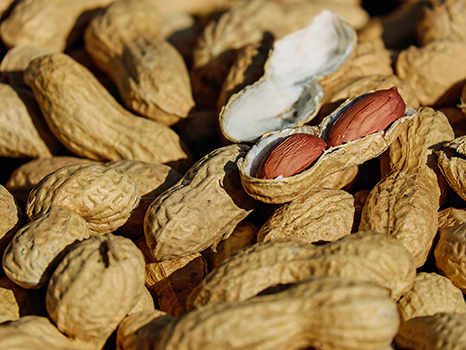
An Australian research team – led by Murdoch Children’s Research Institute and including researchers from The Kids Research Institute Australia, Perth Children’s Hospital and The University of Western Australia – has discovered two peanut allergy treatments for children that are both highly effective at induc
Antimicrobial stewardship (AMS) is crucial for optimizing antimicrobial use and restraining emergence of antimicrobial resistance. The overall increase in reported antibiotic allergies in children can pose a significant barrier to AMS, but its impact on clinical AMS care in children has not been addressed.
Meta-analyses of randomized controlled trials have found that introducing eggs and peanuts earlier during infancy reduced egg and peanut allergy risk. Hence, infant feeding advice has dramatically changed from previous recommendations of avoidance to current recommendations of inclusion of common food allergens in infant diets.
Food allergy affects families' quality of life, can be lifelong and life-threatening, urging the identification of early modifiable risk factors. Formula feeding in the first days of life may increase the risk of cow's milk allergy, a risk often attributed to cow's milk allergens exposure. Early formula feeding also reduces the colostrum intake, the first 3 days' milk, which is rich in bioactive compounds critical for immune and gut health. This study investigates whether partial colostrum feeding increases the risk of food allergy beyond cow's milk.
Early infancy is a critical period for immune development. In addition to being the primary food source during early infancy, human milk also provides multiple bioactive components that shape the infant gut microbiome and immune system and provides a constant source of exposure to maternal microbiota. Given the potential interplay between allergic diseases and the human microbiome, this study aimed to characterise the milk microbiome of allergic mothers.
Ingestion of prebiotics during pregnancy and lactation may have immunomodulatory benefits for the developing fetal and infant immune system and provide a potential dietary strategy to reduce the risk of allergic diseases. We sought to determine whether maternal supplementation with dietary prebiotics reduces the risk of allergic outcomes in infants with hereditary risk.