
Search
Gram-negative bacterial infections remain a major cause of morbidity and mortality in children and neonates globally, compounded by the rise of antimicrobial resistance. Barriers to paediatric antibiotic licencing lead to reduced availability of potentially effective agents for treatment. For children and neonates in the Oceania region, specific challenges remain including a paucity of surveillance data on local rates of antimicrobial resistance, and lack of availability of newer, more costly agents.
This study described the rehabilitation services accessed by children with stroke following acute admission to two Australian paediatric tertiary hospitals prior to the implementation of clinical practice guidelines. It also evaluated quality-of-care indicators for inpatient rehabilitation within these two settings.
Antimicrobial resistance (AMR) is a global healthcare emergency, directly causing 1.3 million deaths per year and predicted to increase dramatically over the coming decades. Understanding the molecular mechanisms underpinning antibiotic resistance is central to approaches for AMR surveillance and diagnosis in a clinical laboratory.
In Australia, infants have the highest rate of child protection involvement. Many jurisdictions in Australia and internationally have introduced policies for prenatal planning and support, however little is known about outcomes of infants reported prenatally. This study is the first to use cross-jurisdictional, individual-record data to examine child protection pathways associated with prenatal and infant reports.
Antimicrobial resistance poses a significant threat to children's health, with up to 20% of 1.27 million deaths attributable to bacterial AMR annually, occurring in children <5 years. The WHO 2024 Bacterial Priority Pathogens List identifies methicillin-resistant Staphylococcus aureus (MRSA) and vancomycin-resistant Enterococcus faecium (VRE) as critical pathogens. This review examines the epidemiology, treatment recommendations, dosing strategies, efficacy, and safety data for antibiotics targeting MRSA and VRE infections in children in Oceania.
Asthma remission has emerged as a potential therapeutic goal. However, definitions of remission have primarily focused on adult populations, with limited consensus on how remission should be defined in children.
In 2024, the government of Western Australia introduced 'nirsevimab', a monoclonal antibody offering protection from respiratory syncytial virus (RSV), for eligible infants. This study explores why parents of infants who were eligible to receive nirsevimab opted to decline or delay the immunisation.
Septo-optic dysplasia (SOD) is a major cause of congenital hypopituitarism and is known to be associated with overweight and obesity in up to 44% of children. Given the role of the hypothalamus in hormonal regulation, we sought to assess the association of resting energy expenditure (REE), appetite and physical activity with SOD.

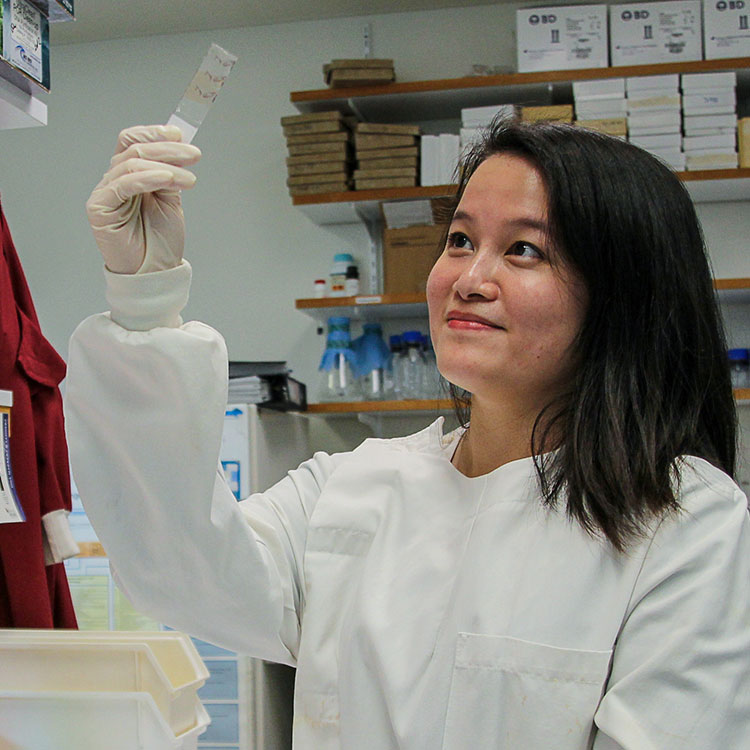
Secondary students have the opportunity to hear from Associate Professor Asha Bowen, a 2018 L’Oreal-UNESCO Women in Science Fellow, in a free online event this National Science Week.
The Kids Research Institute Australia researchers have been awarded five of eight State Government awards designed to help cover the hidden costs of conducting research.