
Search
As we count down to the end of the long summer holidays, it’s natural for children to feel anxious about what the new school year will bring.
Research teams led by The Kids Research Institute Australia have been awarded $3.75 million to support two innovative projects – one focused on pioneering a national ‘Food Atlas’ to map access to healthy and unhealthy food across the country, and the other on developing new ways to prevent Strep throat and rheuma
Not only are cooked eggs perfectly safe to eat during pregnancy, they are also a great way to boost nutrient intake for both mums and bubs.
An audit of outdoor food advertising near Perth schools has found that three-quarters of the promotions were for junk food and alcohol.
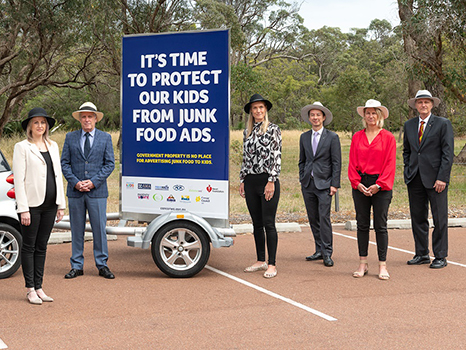
WA’s leading health agencies have joined forces to call on the State Government to immediately end junk food advertising on government property.
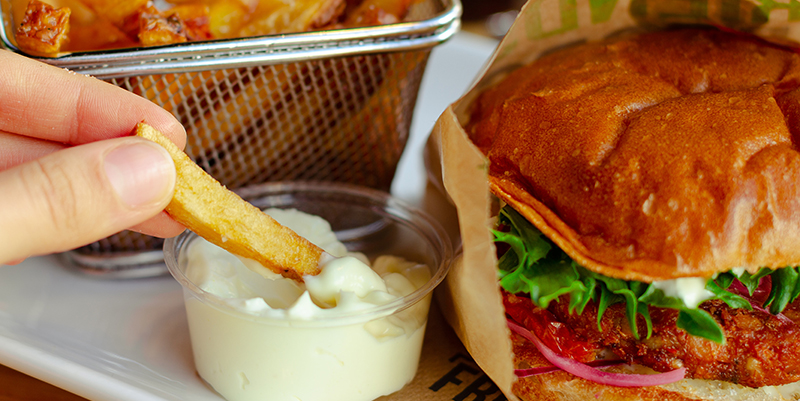
A The Kids Research Institute Australia researcher will map every food business and school in Perth to investigate the influence of the food environment on children’s food intake and health.
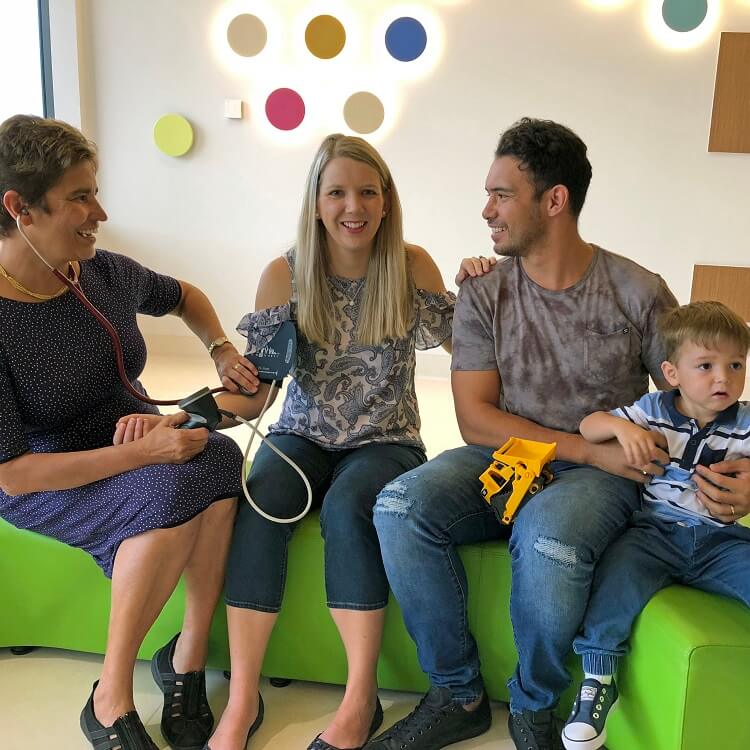
ORIGINS, a collaboration between The Kids and the Joondalup Health Campus, has achieved a major milestone – recruiting its 1000th family.
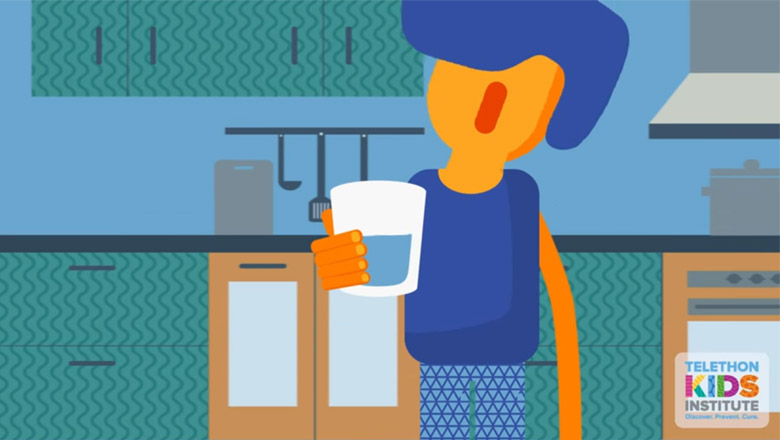
The Kids Research Institute Australia nutritionist Dr Roslyn Giglia says Australians are spending over $500 million a year on bottled water, when tap water is healthier.
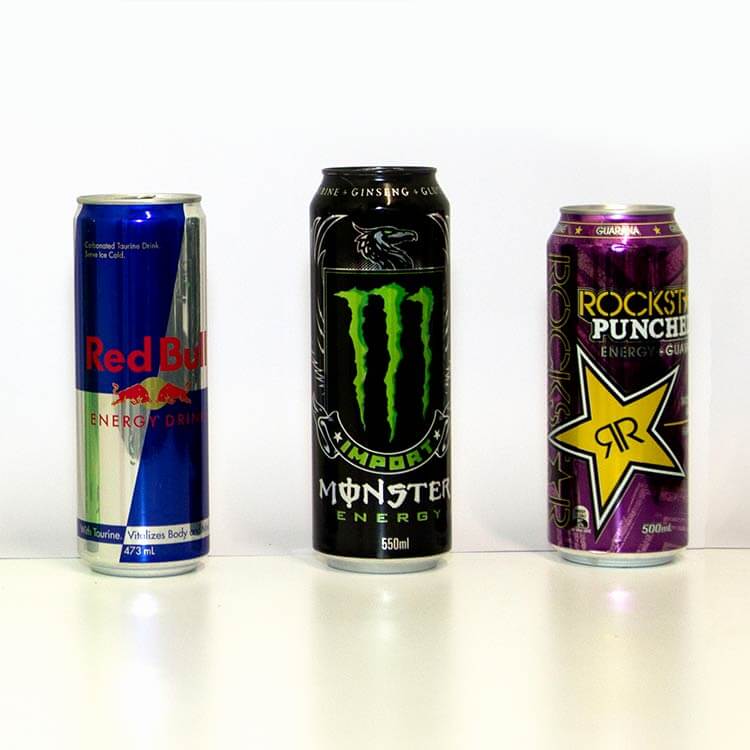
Researchers at the Telethon Kids Institute will study the health impacts of energy drinks on young people and develop guidelines for reducing consumption.
Nutritionist Dr Roslyn Giglia from The Kids Research Institute Australia shares her top 6 ways to get your kids to eat their vegies.