
Search
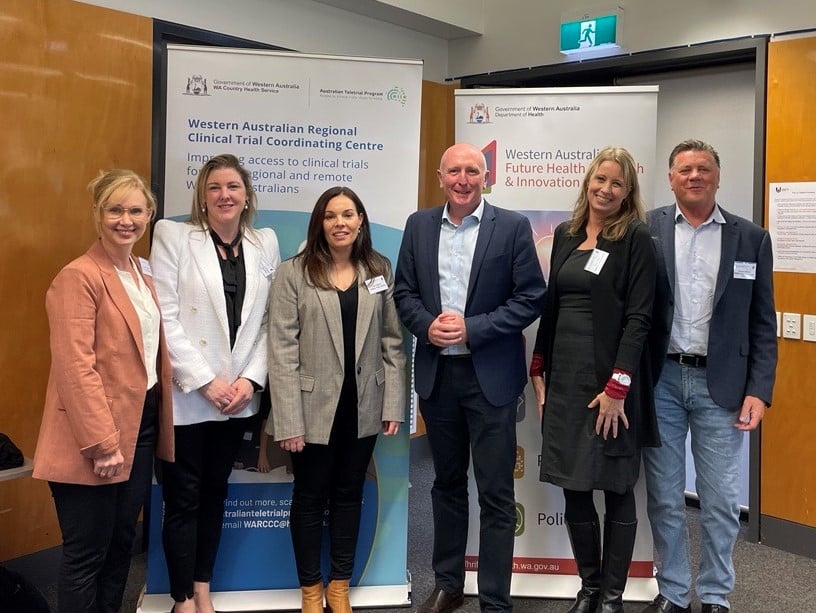
The State Government has launched the new WA Cohort Studies Research Project Support Program, recognising the value and importance of the three major cohort studies in WA.
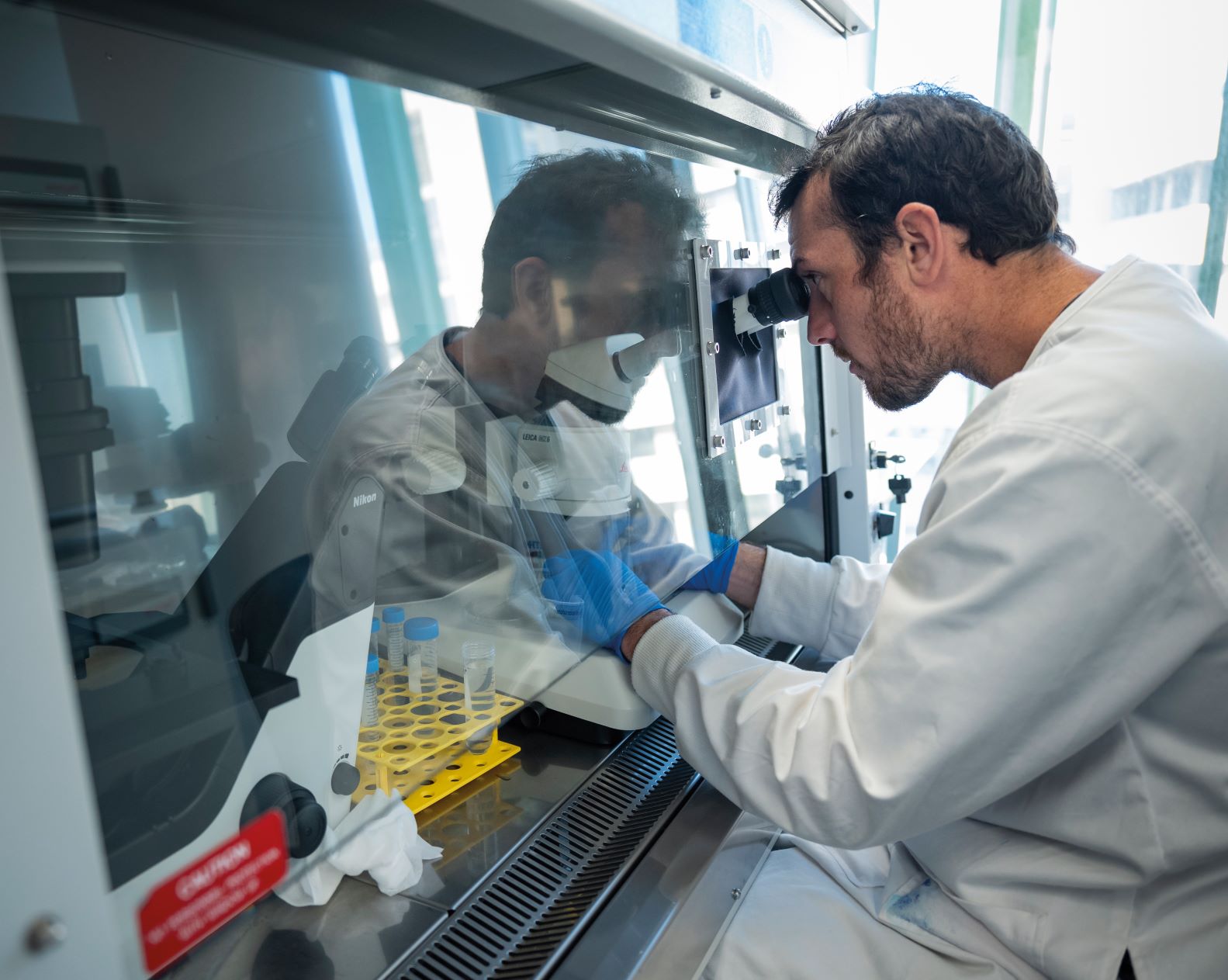
ORIGINS welcomes undergraduate, Honours, PhD, Masters, and Doctor of Medicine students, in addition to junior doctors or trainees wishing to undertake a research placement or project as part of their studies.
Sugar-sweetened beverages (SSBs) account for a significant proportion of sugar in the diet of children and are directly associated with obesity in this group. While there have been many studies on adolescent SSB consumption, few studies have examined the predictors of SSB consumption in primary-school-aged children. The aim of this study was to understand the degree to which a child's consumption across a range of beverages is influenced by their own attitudes and by their parents' attitudes and parents' consumption behaviours.
The current narrative surrounding children’s health and wellbeing often focuses on adversity and dysregulation with a lack of positive messaging. However, promoting protective and buffering factors may be as important as reducing adverse exposures. While the concept of flourishing is commonly applied in the context of adults, defining what flourishing means for children in current academic literature remains unclear.
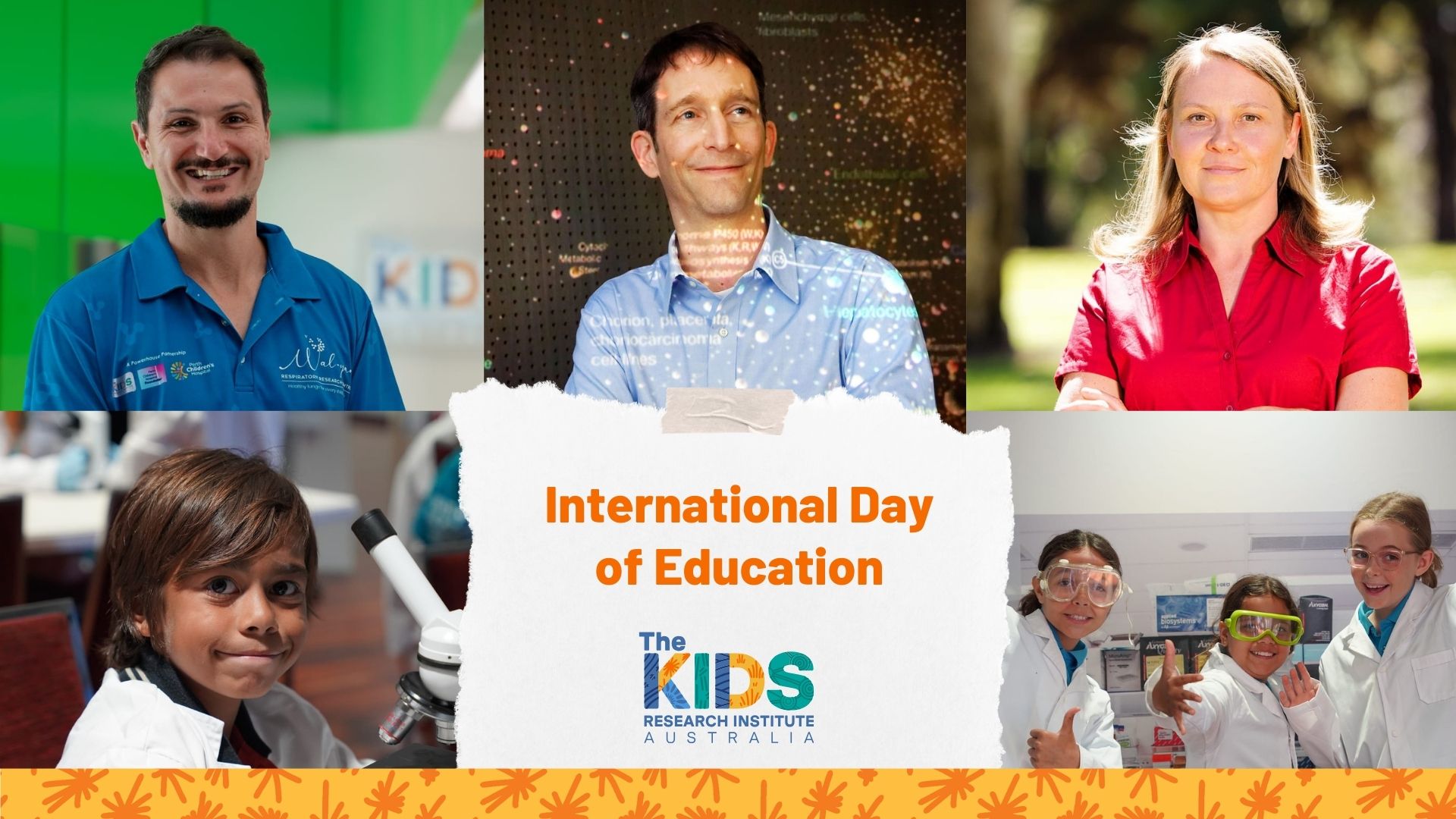
Today, 24 January 2025, is International Day of Education, a global celebration of the power of learning to transform lives. This year’s theme, “AI and Education: Preserving Human Agency in an Automated World”, underscores the critical role of education in preparing kids for a future increasingly shaped by AI.
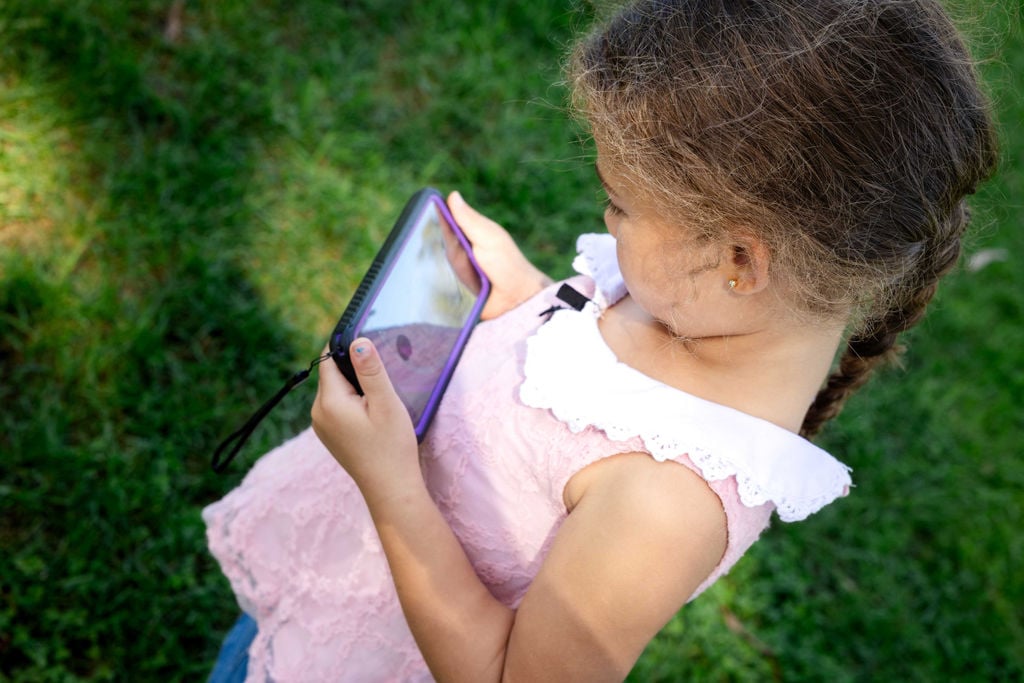
Parental factors influencing child digital technology use in the early years.
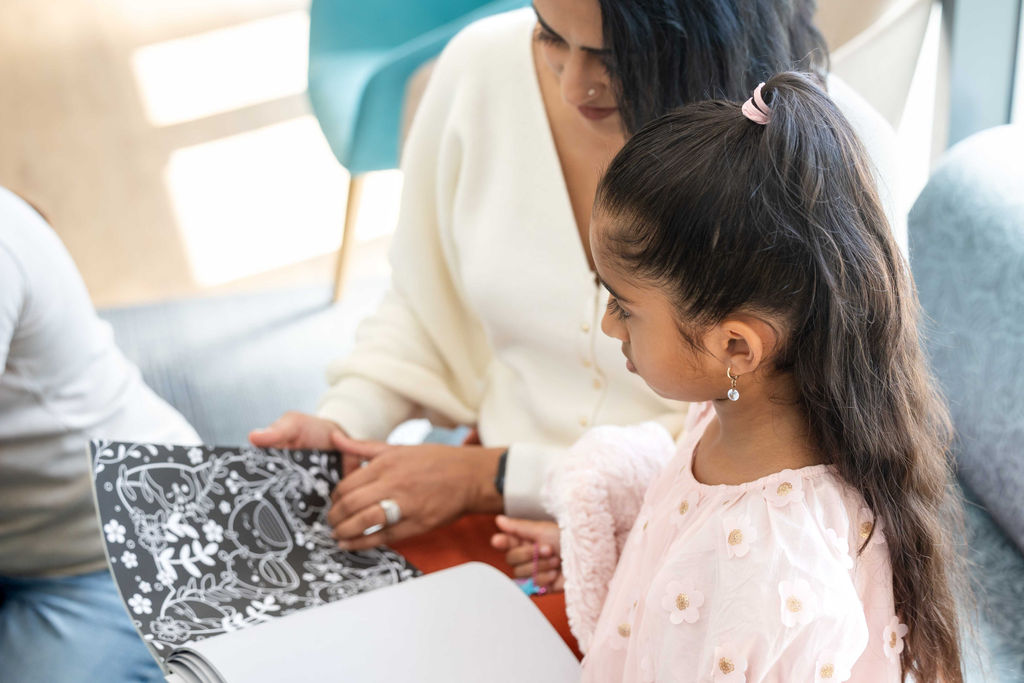
ORIGINS sub-projects are investigating the best way to provide support to new parents and positively influence the health and development of their children.
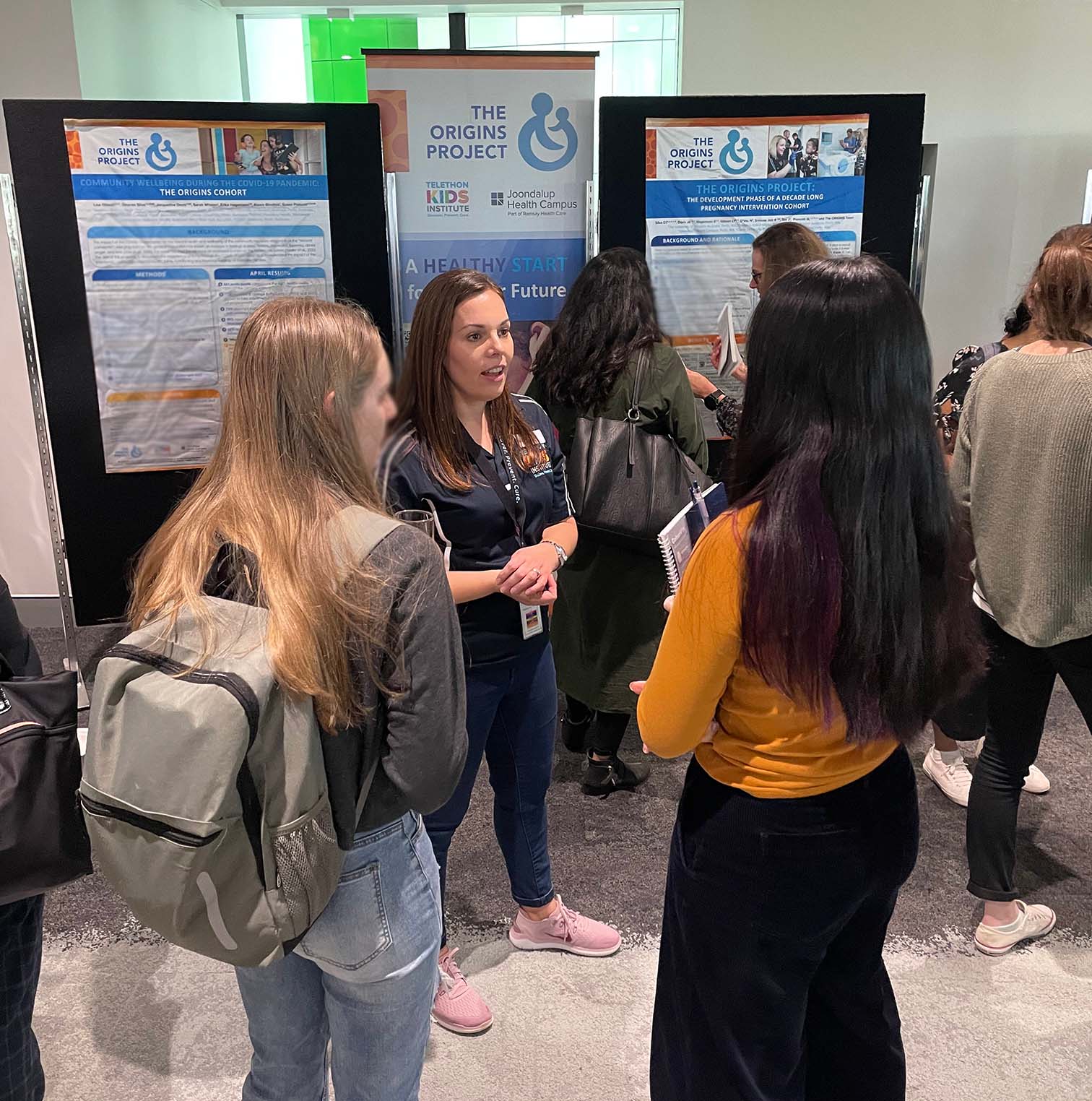
Students met ORIGINS team at the recent Prospective Student Evening at Telethon Kids Institute.
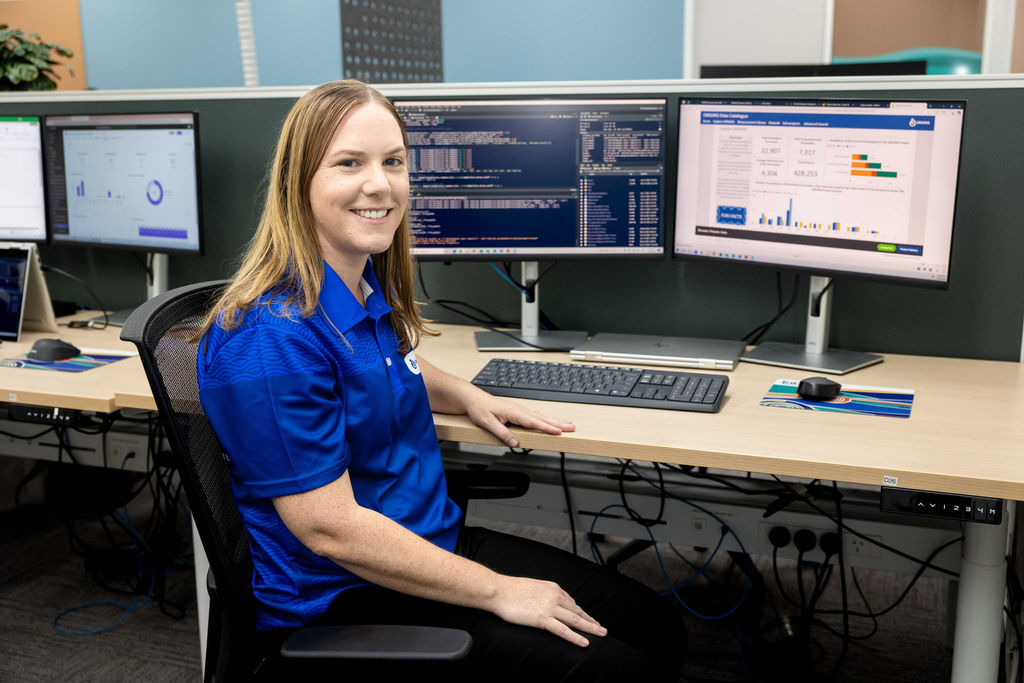
Accessing the ORIGINS cohort, database or biological samples involves a process of review and approval.
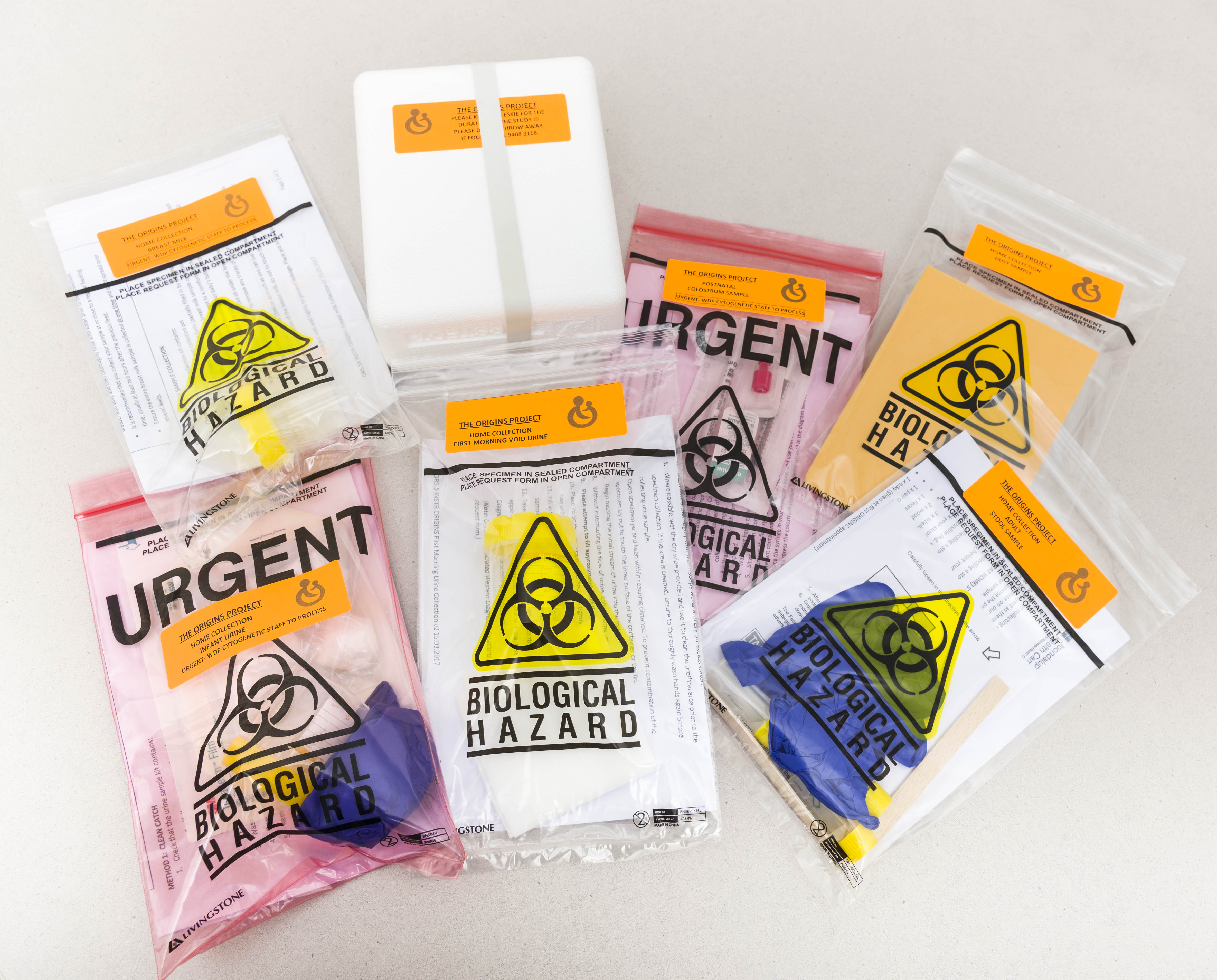
The ORIGINS Biobank is collecting biological samples from participant families at 10 timepoints between the time of pregnancy and the child turning five years of age.